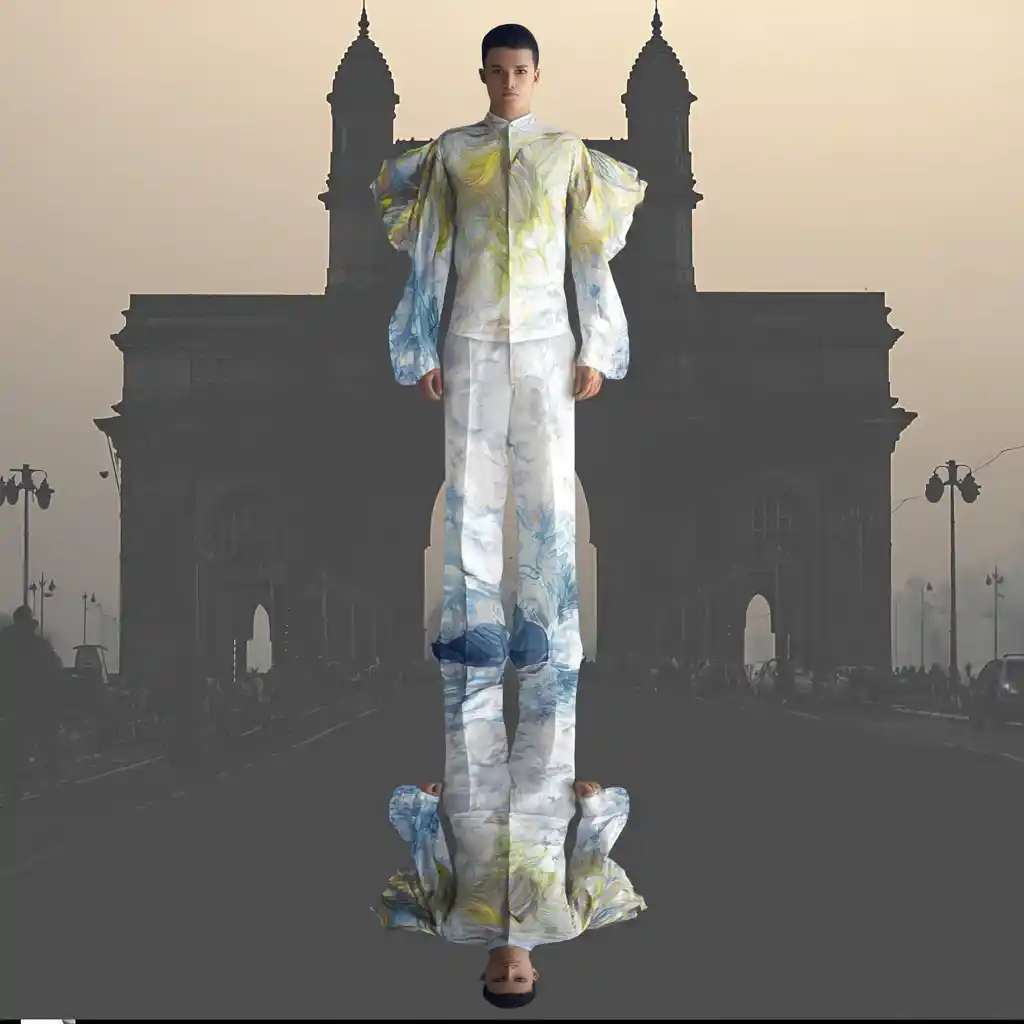
- Date
- 06 FEBRUARY 2026
- Author
- JAGRATI
- Image by
- IMM
- Categories
- Fashion
Between Time and Colour: The Aftermath of AIKYAM 2024
Mumbai, in late September, has a particular way of holding space. The air is thick with memory, the streets hum with contradiction, urgency and ease, decay and reinvention moving side by side. It was within this living paradox that Istituto Marangoni Mumbai unveiled AIKYAM 2024, a student fashion showcase that felt less like an event and more like a moment of collective introspection.
Aikyam, a Sanskrit word meaning unity, harmony, and shared identity, revealed itself not as a theme but as a philosophy. Under the deliberate glow of runway lights, fashion unfolded as language, one that spoke of inheritance and innovation, of handicraft and hyperreality, of the past gently negotiating with the future. As Students from Fashion Styling and Fashion Business came together later to explore visual narratives for Red Eye, Mevin Murden, the academic director at Istituto Marangoni Mumbai, pulled a team of consultants and tutors who brought the idea to life by introducing new ways of craftsmanship in virtual space.
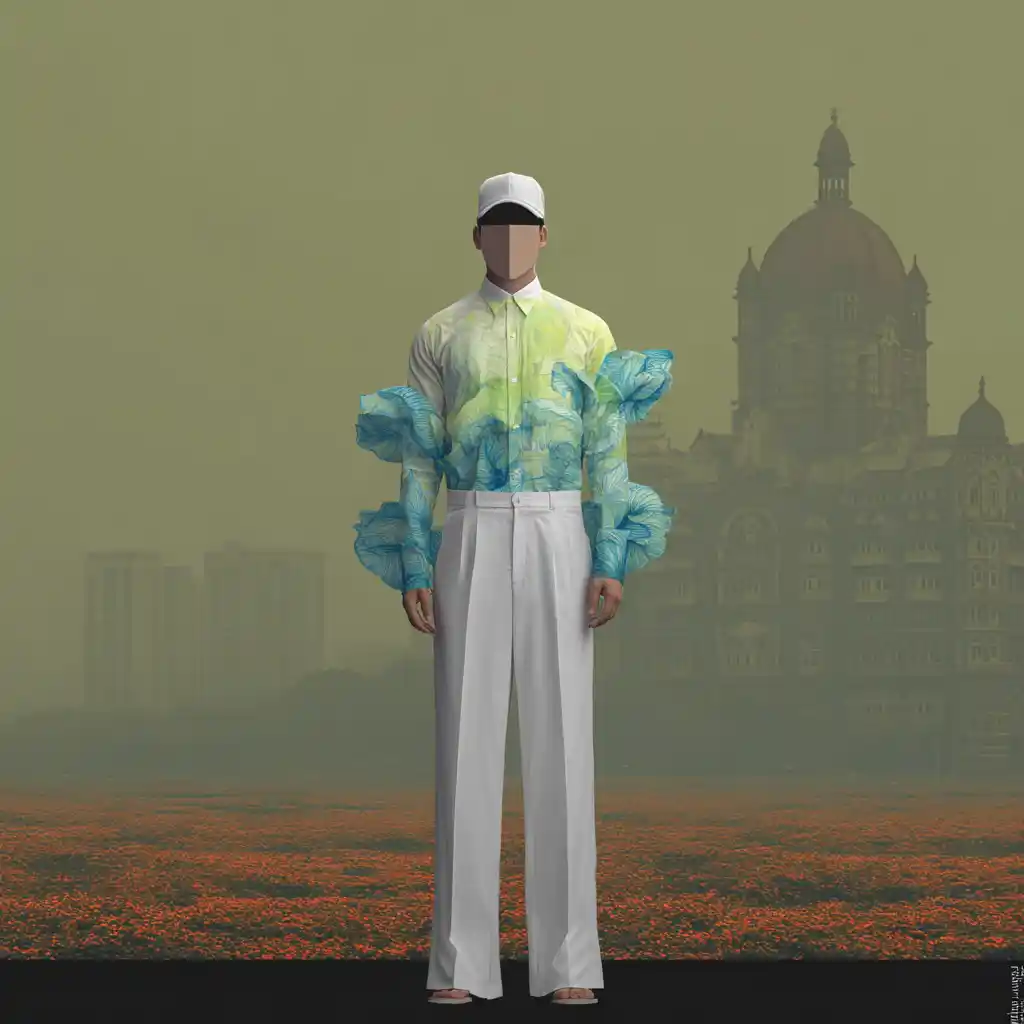
This was not fashion designed for spectacle alone. AIKYAM functioned as a translation of memory into movement, of cultural residue into contemporary form. The runway became a living archive, where fabric carried histories and silhouettes held emotion.
The student collections drew deeply from the Indian visual lexicon, regional crafts, urban textures, ancestral geometries, yet refused nostalgia. Instead, tradition was treated as a material rather than a monument. Rajasthani symmetry fractured into modern grids. Streetwear absorbed the dust and dynamism of Indian cities. Coastal Goa whispered through colonial echoes and hybrid identities.
As Mevin Murden, Director of Education, reflected during the showcase:
“When students begin by looking inward, at their own geography, language, and lived experience, design stops imitating trends and starts authoring its own future.”
This inward gaze defined AIKYAM’s creative confidence. Each collection felt grounded yet restless, rooted yet unafraid to evolve.
Among the voices that shaped this narrative were emerging designers Anvi Pawar, Avinam Palikhe, Sarabh Arora, Tanay Saxena, and Ayush Arora, each approaching fashion as an act of authorship rather than adornment.
Avinam Palikhe’s Normalcy, later awarded Fashion Design Student of the Year, explored quiet disruption through restraint and sculptural calm, suggesting that rebellion need not be loud to be radical. Other collections oscillated between tenderness and tension, challenging the binaries of masculine and feminine, rural and urban, handmade and machine made.
Here, garments did not merely clothe bodies. They carried psychological weight. Sleeves became boundaries, seams became negotiations, and silhouettes functioned as emotional architecture.
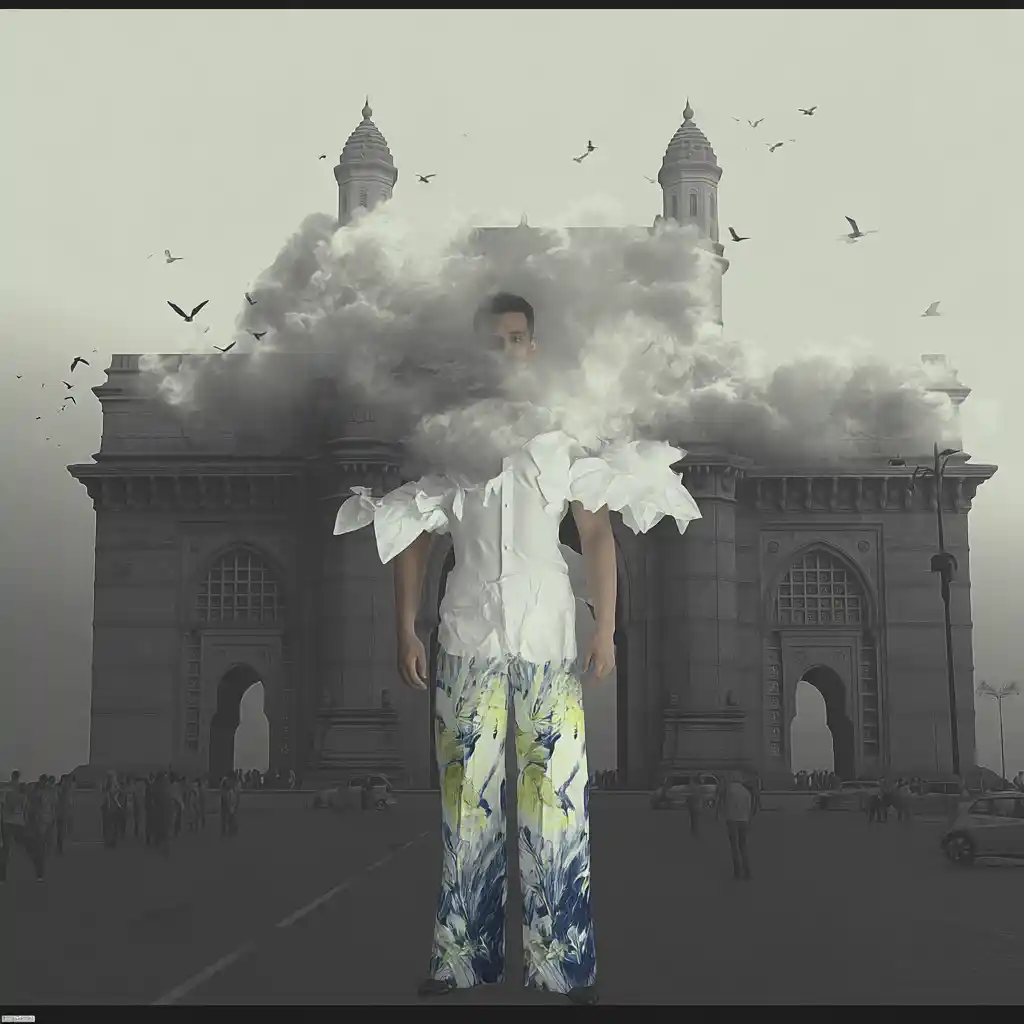
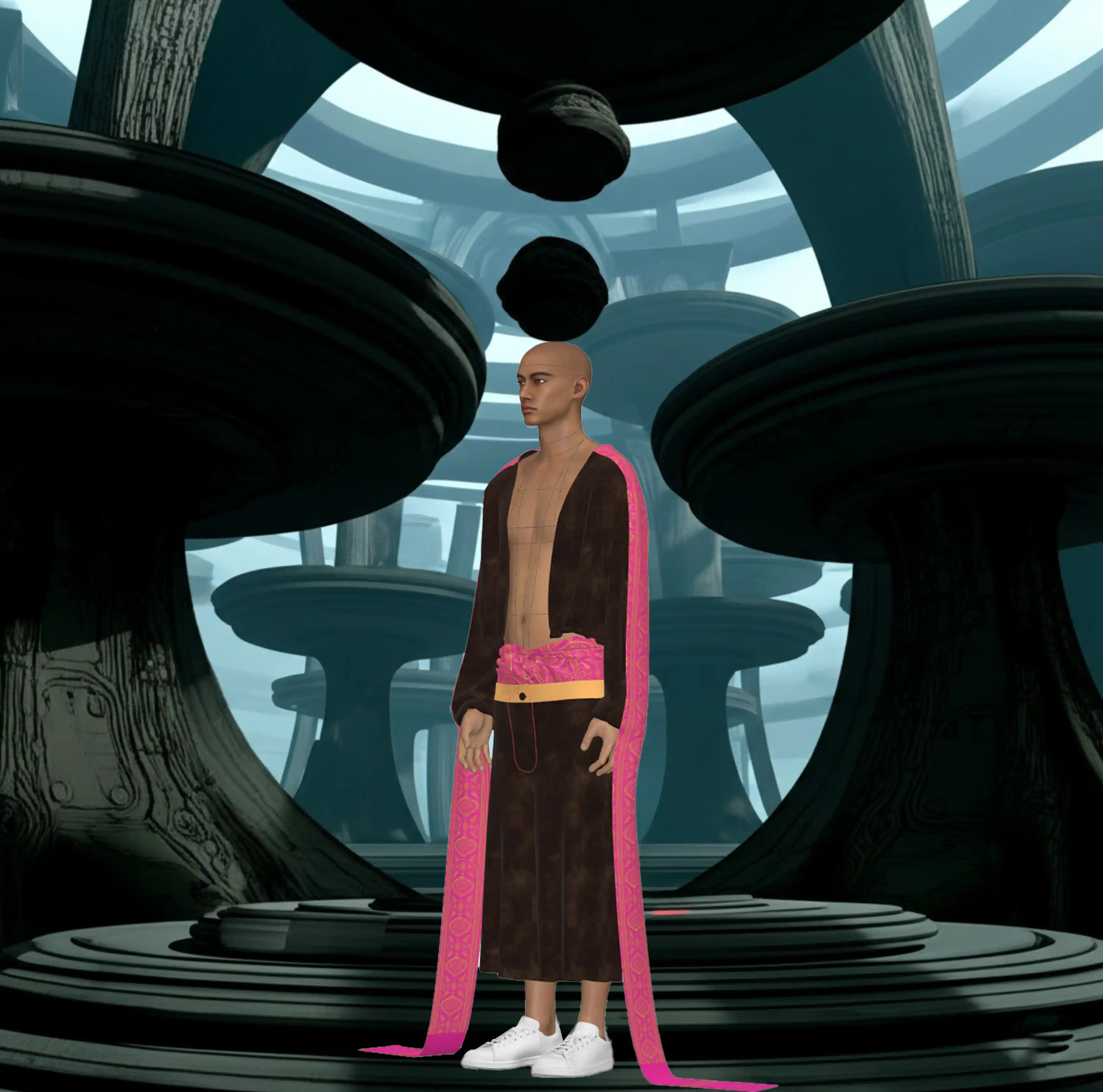
In a decisive shift from documentation to transformation, Arxy Studio extended AIKYAM into the digital realm through metaverse digitalisation. The collections were reimagined beyond gravity, rendered as immersive forms inhabiting speculative spatial environments.
In this translation, fabric became data, movement became code, and fashion entered a new dimension of authorship. The garments no longer aged or decayed. Instead, they evolved, responsive, fluid, and infinite. As one creative technologist involved noted: “Digital fashion doesn’t replace the physical. It remembers it differently.” This sentiment echoed throughout the experience. The metaverse presentation was not an escape from materiality but a meditation on it, an exploration of what remains when touch is replaced by perception.
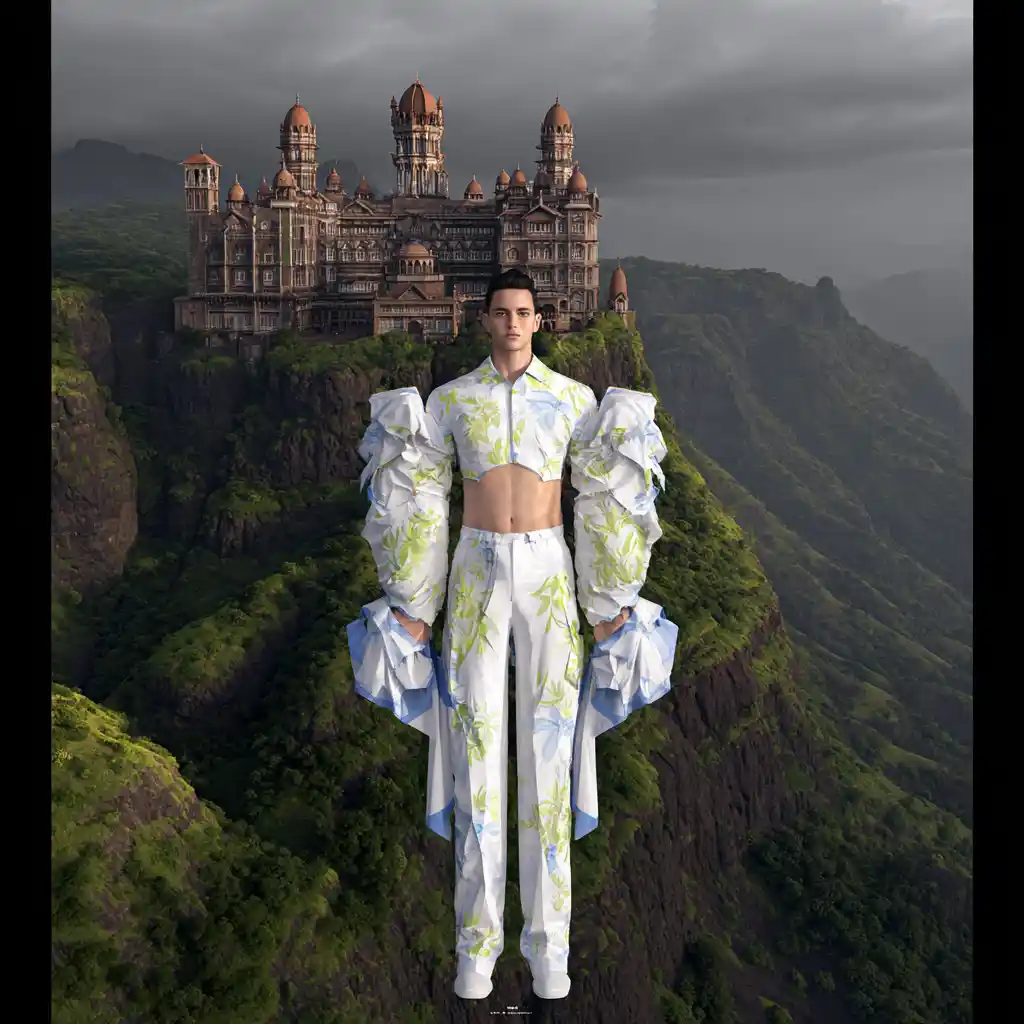
Parallel to the runway, a visual dialogue unfolded through styling and image making. Styling volunteers Sunshine Mehta and Purna Hemnani approached the collections with sensitivity, allowing garments to breathe rather than perform.
Still imagery and spatial composition became acts of pause, moments where fashion could exist in contemplation rather than motion. These quieter frames reinforced AIKYAM’s ethos, that meaning often lives in restraint, in what is suggested rather than declared.
Behind the visible spectacle was a lattice of mentorship and leadership that shaped the showcase’s intellectual rigor. Under the guidance of Mevin Murden, Kayan Contractor, Rachna Singh, Janet Sartor, Saumya Gupta, and Sulbha Jagat, Lianne Trowdbridge, Abhishek Gherwar, Shweta Shah & Ashay Chaturvedi. students were encouraged not just to design, but to question materials, systems, ethics, and authorship.
This pedagogy was not prescriptive but dialogic. It treated fashion education as cultural practice rather than vocational training, a space where intuition met research, and responsibility was understood as resonance rather than restriction.
Reflecting on this vision, Tarun Pandey, COO of Istituto Marangoni Mumbai, shared:
“These collections reflect Gen Z’s emotional intelligence, their awareness that creativity today must be conscious, layered, and accountable to the world it enters.”

When the final look disappeared backstage and applause dissolved into memory, what lingered was not spectacle but sensation. A quiet understanding that fashion no longer exists in singular form.
AIKYAM 2024 lives on as a continuum of craft and code, pigment and pixel, hand and algorithm. It proposes a future where artisanship and technology are collaborators rather than opposites, where design exists across realities without losing its soul.
Between time and colour, AIKYAM reminds us that fashion, at its most honest, is not about trends. It is about becoming.

Institution: Istituto Marangoni Mumbai
Event: AIKYAM 2024 — Student Fashion Showcase
Digital Partner: Arxy Studio — Metaverse Digitalisation
Design Students: Anvi Pawar, Avinam Palikhe, Sarabh Arora, Tanay Saxena, Ayush Arora
Styling Volunteers: Sunshine Mehta, Purna Hemnani, Vaishnavi Walaya, Chloe Costa, Riddhi Shetty
Mentors & Leaders: Mevin Murden, Kayaan Contractor, Rachana Singh, Janet Sartor, Saumya Gupta, Sulbha Jagat, Lianne Trowdbridge, Abhishek Gherwar, Shweta Shah & Ashay Chaturvedi.
COO: Tarun Pandey