- Date
- 30 JULY 2026
- Author
- BENEDETTA BORIONI
- Image by
- PRESS OFFICE
- Categories
- Music
Subsonica: 30 Years of AI, Politics & Live Vision
Thirty years into their career, Subsonica’s live universe keeps evolving through AI, political imagery and the human gaze behind the screen.
I still remember the first Subsonica concert I saw, back in March 2003. I was very young and I wasn’t even a proper fan yet: we used to listen to them at home, and that night they happened to be playing in my hometown. The ticket was 10 euros, so I decided to go. I think that was the moment I understood what love at first sight could feel like. From then on, I never really detached myself from Subsonica.
Twenty-three years later, I still get emotional every time I see them live, because every tour has always carried a different meaning, a clear message, a setlist, a vibe, and an imagery that stay with you. I have seen them almost everywhere in Italy, I have taken last-minute trips to Turin just to catch them live, snuck into every possible aftershow, and gone to every album, film, or book presentation I could reach. And I am still not tired of it.
Formed in Turin in 1996 by Samuel, Max Casacci, Boosta, Ninja and, from 1999, bassist Vicio, Subsonica have spent thirty years building a unique language within the Italian music scene, blending electronic rock, underground culture, pop songwriting and a live power that has become a fundamental part of their identity. From Microchip emozionale to Amorematico, from L’Eclissi to Realtà Aumentata, up to Terre Rare, the band has always treated the stage not only as a musical space, but as a place for vision.
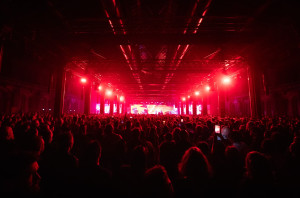
In 2026, this journey became CIELI SU TORINO 96-26, the project with which Subsonica celebrated thirty years of their career in their own city. Four sold-out shows at OGR Torino, different setlists each night, final DJ sets and a city-wide programme of exhibitions, sound walks, installations and events turned Turin into a kind of living archive of the band. Not simply a nostalgic celebration, but a way to show how Subsonica’s history has always belonged to a much wider ecosystem: the city, the clubs, the underground, technology, politics, and the collective body of the audience.
After the four sold-out dates at OGR Torino, Subsonica’s thirtieth anniversary continues throughout summer 2026 with TERRE RARE 96-26, bringing to festivals a live imaginary that holds together memory, politics, technology and physical presence.
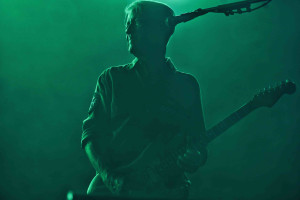
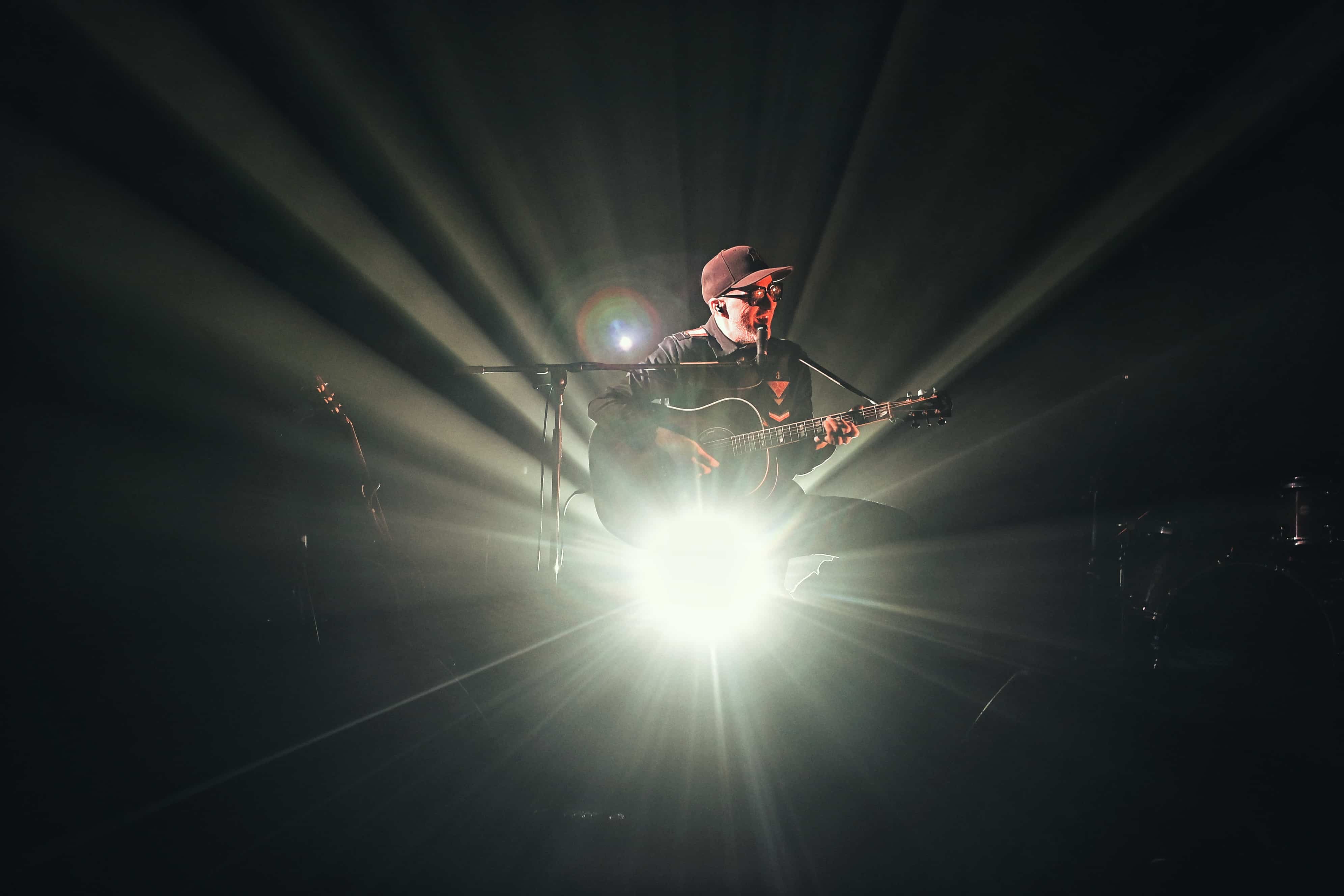
At a Subsonica show, sound, words, lights, images and messages always move at the same time, carrying the emotion of the stage straight into the heart of the audience. This has been happening for thirty years. And it is probably one of the reasons why, even today, a Subsonica concert never feels like just a concert.
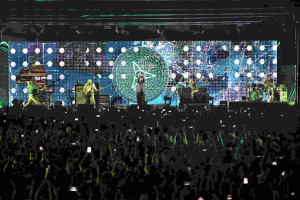
Within this framework, visuals play a crucial role: they do not simply accompany the songs, they build an imaginary capable of crossing thirty years of music and bringing it back into the present. To understand how this visual language is created, especially now that artificial intelligence is increasingly entering the creative processes connected to music and live entertainment, we spoke with Akasha / Riccardo Franco-Loiri from High Files Visuals, the studio behind the visuals of Subsonica’s recent live shows.
When creating the live visuals, how did you work with Subsonica? How important was it to translate not only the band’s aesthetic, but also their political, emotional and sonic imaginary into images?
Our collaboration with Subsonica began with the Realtà Aumentata tour in 2024, but as early as 2021 we had started working with Max Casacci on his Earthphonia project and getting to know the different members of the Subsonica family. During the many kilometres spent travelling with Max, we discovered that we shared not only musical tastes and many emotional nuances, but also an active and critical political vision of the contemporary world.
In 2026, we did it again: I remember a call with Max a couple of months before the OGR Torino shows, where we discussed recent news and agreed that the live show for their thirtieth anniversary had to be clearly and openly political. It could not leave room for misunderstanding, and the whole band agreed.
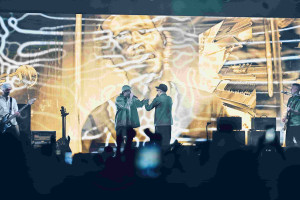
With their encouragement, we produced many visuals around this theme. One example is Up Patriots to Arms, where three historical paintings — Il quarto stato by Pellizza da Volpedo, The Raft of the Medusa and Liberty Leading the People — are expanded in their original setting and then brought into the present through an overlay of realistic moments from today: demonstrations in support of Palestine, migrants asking for help from a dinghy, young Palestinians calling for peace.
Then there is Grida, which criticises control by those in power and the dangerous drift represented by figures such as Thiel and Karp from Palantir, or Nuova Ossessione, in an Being John Malkovich style, where the “faces to forget” are politicians who have become almost immanent in everyday life, constantly appearing with their huge faces on our phone screens. In these two cases, we used custom AI workflows both to process and reimagine the old paintings in the first case, and to create a dedicated tool for lip sync in the second.
A large part of the visuals also involves the use of artificial intelligence. What role did AI play in the creative process: was it a generative tool, a way to expand the imaginary, or almost an interlocutor through which to build new visual possibilities?
Actually, only a fairly modest part compared to the live show as a whole. We have been using AI for many years in the production of content and materials, but over the past three years its evolution has often seemed to us, on the contrary, more like an involution. The normalisation of content, the “fake” and sweetened patina, the limitations and biases seem more absurd to us every day.
Our use of AI is always very specific and connected to seeing it as a tool, sometimes a tool we use to create other specific tools. As far as generative AI is concerned — the kind that directly generates an image or a sequence, rather than code — only a few songs feature it, and for each of them we created a different workflow.
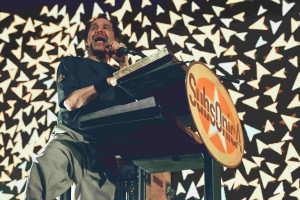
In Depre, for example, whose lyrics are made up only of the names of psychotropic and antidepressant drugs, we had this idea of imagining the drugs as the names of punk bands and acid techno nights printed on flyers and posters in a late-90s style. Using AI was fundamental in creating this unlikely mix.
In this work, the use of AI was much more connected to building tools for signal manipulation and management than to image generation. With artificial support, we were able to create actual software to handle light dynamics and content distribution across the different screens, focusing more on generating the “tool” than the content itself.
In Subsonica’s live shows, music, words, lights and images always seem to be part of the same language. How important is the visual element today in creating a complete narrative on stage, and what kind of message did you want to bring to the audience with this show?
Our approach to visual design is always guided by a series of concepts we care deeply about: the concept, the dynamics, the illusionistic effect. With Subsonica we have always experienced all three working closely together. The concepts are always inspired by the songs; sometimes they come from conversations with the band, sometimes from our own backgrounds and from the intimate message that reaches us when we listen to a track. In the studio, we are all big fans of the Subs.
Dynamics, which the band enhances live with timeless tenacity, is the key element in connecting visuals to music and lights, allowing the show to be experienced like a dish with intense but well-balanced flavours. With Blearred, the light design studio that has been designing stages and lights for Subsonica for years, we have a special understanding made of knowing glances and bursts of excitement, especially when the correlation between lights and video is already perfect before rehearsals even begin.
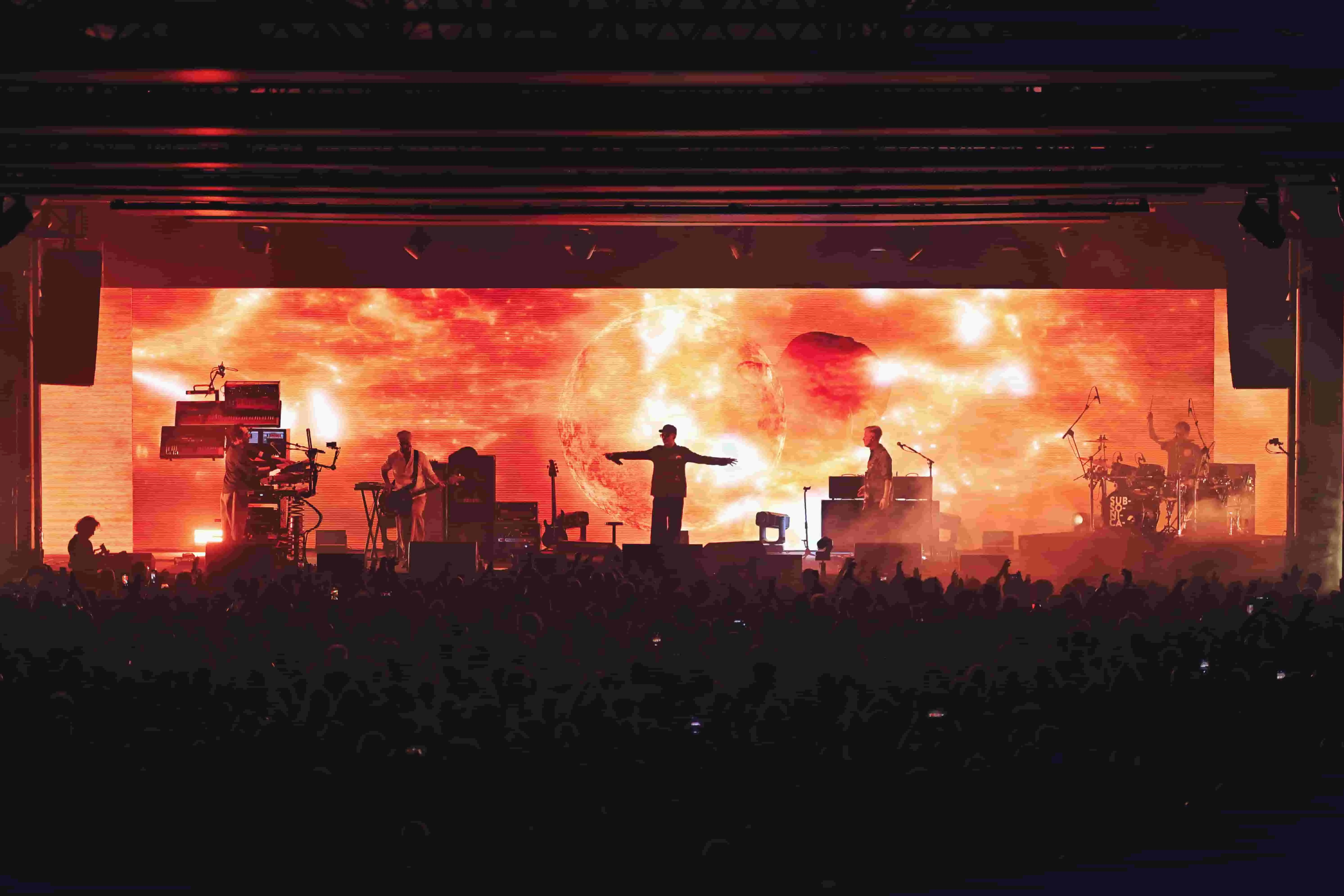
Only with a cohesive and professional team can shows this varied and complex come to life. In the OGR live residency, visuals and lights enlarged and shrank the space, appearing and disappearing throughout the entire length of the room, while the stage itself was actually a set of three stages used dynamically to illustrate a passage through the different eras of the band.
And then there are the messages. There are many of them scattered throughout the live show, but in general our message to the Subsonica audience — which seems to me very united and often clearly positioned — is to trigger large collective gatherings, to make us all feel together and never alone, both in the fight against injustice and in the most intimate moments of suffering, expanding that sense of “great family” from our High Files collective to the whole universe of people connected to the band and, of course, to the audience.
Behind images generated or transformed through AI, there is still a human gaze. How important is it for you that an artistic direction, a hand, an intention can still be recognised behind the final result?
When making purely visual digital art, we are often afraid of losing the “real” connection the audience can feel with an image, reducing it to a mere enrichment of the luminous screen medium.
For us, having artistic direction is fundamental when it comes to the visual content of these music shows. Our workflow involves a very strong harmony with what we want to represent, which always tells a part of ourselves, even when mediated by the relationship with the artists and their stories. AI should be considered, once again, as a medium at our service, but there is nothing truly creative in it that does not come from the human mind.
The hours spent in the studio thinking, the newspaper articles we share with each other, the strangest exhibitions and events we have attended, the late-night discussions about the critical issues we are experiencing in today’s society: this is the ground where the roots of our work grow. A ground made of thoughts, words and very strong emotions, which, in this case, we prefer to try to generate ourselves instead of delegating them to a machine.
These visuals, which unfold behind the band during the Terre Rare tour, are probably the ones that have left me with the most thoughts and curiosity. Not only because of their aesthetic strength, but because the political message they carry is clear, direct, impossible to ignore, and it follows the words spoken by Subsonica at every date.
Maybe that is why it is so difficult to stop following a band like this: because even when you think you know everything by heart, Subsonica still find a way to leave you speechless.
Interview by Benedetta Borioni
Images Courtesy Press Office Subsonica
Follow for more:
https://www.instagram.com/subsonicaofficial/
https://www.instagram.com/wordsforyou_pr/
https://www.instagram.com/robertaleone/
A trent'anni dalla nascita, il mondo live dei Subsonica continua a trasformarsi, intrecciando intelligenza artificiale, immaginario politico e sguardo umano dietro lo schermo.
Ricordo ancora il primo concerto dei Subsonica che vidi a marzo 2003. Ero giovanissima e non ero ancora un’appassionata della band: li ascoltavamo in casa e, in quell’occasione, suonavano nella mia cittadina. Il biglietto costava 10 euro e decisi di andare. Credo sia stato lì che ho capito cosa fosse l’amore a prima vista: da quel momento non mi sono mai davvero staccata dai Subsonica.
Dopo 23 anni, continuo a emozionarmi ogni volta che li vedo dal vivo, perché ogni loro tour ha sempre un significato diverso, un messaggio preciso, una scaletta, una vibe e un immaginario che restano nei ricordi. Li ho visti in quasi tutta Italia, ho fatto fughe a Torino per vederli, mi sono imbucata agli aftershow, sono andata a ogni presentazione di dischi, film o libri che riuscivo a raggiungere. E non mi sono ancora stufata.
Nati a Torino nel 1996 dall’incontro tra Samuel, Max Casacci, Boosta, Ninja e, dal 1999, Vicio al basso, i Subsonica hanno costruito in trent’anni un linguaggio unico nella scena italiana, unendo rock elettronico, cultura underground, scrittura pop e una potenza live che è diventata parte fondamentale della loro identità. Da Microchip emozionale ad Amorematico, da L’Eclissi a Realtà Aumentata, fino a Terre Rare, la band ha sempre usato il palco non solo come spazio musicale, ma come luogo di visione.
Nel 2026 questo percorso è diventato CIELI SU TORINO 96-26, il progetto con cui i Subsonica hanno celebrato trent’anni di carriera proprio nella loro città. Quattro date sold out alle OGR Torino, scalette diverse per ogni sera, dj set finali e un palinsesto diffuso di mostre, percorsi sonori, installazioni e appuntamenti che hanno trasformato Torino in una sorta di archivio vivo della band. Non una semplice celebrazione nostalgica, ma un modo per raccontare quanto la storia dei Subsonica sia sempre stata legata a un ecosistema più grande: la città, i club, l’underground, la tecnologia, la politica, il corpo collettivo del pubblico.
Dopo le quattro date sold out alle OGR Torino, il trentennale dei Subsonica continua nell’estate 2026 con TERRE RARE 96-26, portando nei festival un immaginario live che tiene insieme memoria, politica, tecnologia e presenza fisica.
Nei live dei Subsonica, infatti, suoni, parole, luci, immagini e messaggi viaggiano sempre nello stesso momento, trasportando le emozioni del palco direttamente nel cuore del pubblico. Questa cosa succede da trent’anni. Ed è forse uno dei motivi per cui, ancora oggi, un concerto dei Subsonica non sembra mai solo un concerto.
Dentro questa cornice, i visual hanno un ruolo fondamentale: non solo accompagnare le canzoni, ma costruire un immaginario capace di attraversare trent’anni di musica e riportarli nel presente. Per capire come nasce questo linguaggio visivo, soprattutto oggi che l’intelligenza artificiale sta entrando sempre di più nei processi creativi legati alla musica e al live entertainment, abbiamo parlato con Akasha / Riccardo Franco-Loiri di High Files Visuals, lo studio che ha curato i visual dei recenti show dei Subsonica.
Nel costruire i visual del live, come avete lavorato insieme ai Subsonica? Quanto è stato importante tradurre in immagini non solo l’estetica della band, ma anche il loro immaginario politico, emotivo e sonoro?
Il nostro sodalizio con i Subsonica inizia con il tour di Realtà Aumentata, nel 2024, ma già dal 2021 abbiamo iniziato a collaborare con Max Casacci sul suo progetto Earthphonia e a conoscere i vari membri della famiglia subsonica. Nei kilometri percorsi in trasferte con Max abbiamo scoperto di condividere non solo i gusti musicali e tante sottigliezze emotive ma anche una visione politica attiva e critica rispetto al contemporaneo.
Nel 2026 abbiamo ripetuto: ricordo una chiamata proprio con Max, un paio di mesi prima dei live alle OGR di Torino, in cui discutemmo delle ultime notizie, e concordammo sul fatto che il live per il loro trentesimo doveva essere dichiaratamente e chiaramente politico, non doveva lasciare spazio alle incomprensioni, e che tutta la band era d’accordo.
Forti del loro incoraggiamento, abbiamo prodotto molti visual su questo tema. Ne è un esempio Up Patriots to Arms, dove tre quadri storici come Il quarto stato di Pellizza da Volpedo, La zattera della Medusa e La Libertà che guida il popolo vengono aumentati nel loro scenario e poi attualizzati con una sovrapposizione di momenti realistici dei giorni nostri: manifestazioni a favore della Palestina, migranti che chiedono aiuto a bordo di un gommone, giovani palestinesi che chiedono la pace.
Oppure Grida, dove viene criticato il controllo da parte dei potenti e le derive di personaggi come Thiel e Karp di Palantir, o ancora una Nuova Ossessione in stile Essere John Malkovich, dove le “facce da dimenticare” sono i politici e le politiche ormai immanenti nel vivere comune, perennemente presenti con i loro faccioni sugli schermi dei nostri cellulari. In questi due casi abbiamo utilizzato dei workflow custom con AI sia per elaborare e reimmaginare i vecchi quadri nella prima che per crearci uno strumento ad hoc per il lip sync della seconda.
Gran parte dei visual nasce anche attraverso l’uso dell’intelligenza artificiale. Che ruolo ha avuto l’AI nel processo creativo: è stata uno strumento di generazione, di espansione dell’immaginario o quasi un interlocutore con cui costruire nuove possibilità visive?
Una parte, in realtà abbastanza modesta rispetto all’intero live. Utilizziamo l’AI da molti anni nella produzione di contenuti e materiali, negli ultimi 3 anni la sua evoluzione ci è però parsa, spesso e al contrario, un’involuzione. La normalizzazione dei contenuti, la patina “fake” ed edulcorata, le limitazioni e i bias ci sembrano giorno dopo giorno sempre più assurdi.
Il nostro utilizzo è sempre molto peculiare e legato al vedere l’AI come uno strumento, che talvolta sfruttiamo per creare altri strumenti specifici. Per quanto riguarda l’AI generativa, quella che genera direttamente un’immagine o una sequenza, non un codice, giusto alcune canzoni la presentano, e per ognuna di esse abbiamo creato un workflow differente.
In Depre, ad esempio, il cui testo è composto solo da nomi di farmaci psicotropi-antidepressivi, avevamo questa idea di immaginarci i farmaci come nomi di band punk e serate acid techno presenti su flyer e locandine in stile fine anni ‘90. Utilizzare l’AI è stato fondamentale per creare questo mix improbabile.
L’impiego dell’AI in questo lavoro è stato molto più legato alla costruzione di strumenti di manipolazione e gestione del segnale rispetto alla generazione di immagini. Mediante il supporto artificiale, abbiamo potuto crearci dei veri e propri software per gestire dinamiche luminose e distribuzione dei contenuti nei vari schermi, puntando più alla generazione del “tool” che del contenuto stesso.
Nei live dei Subsonica musica, parole, luci e immagini sembrano sempre far parte dello stesso linguaggio. Quanto conta oggi il visual nel creare una narrazione completa sul palco, e che tipo di messaggio volevate far arrivare al pubblico con questo show?
Il nostro approccio al visual design è sempre dettato da una serie di concetti che ci stanno a cuore: il concetto, la dinamica, la resa illusionistica. Con i Subsonica abbiamo sempre esperito tutte e tre le cose affiatate tra loro. I concetti sono sempre ispirati dalle canzoni, talvolta prendono spunto da ragionamenti fatti con la band, talvolta dai nostri background e dal messaggio intimo che arriva a noi ascoltando quel pezzo. In studio siamo tutti/e grandi fan dei Subs.
La dinamica, che il gruppo esalta live con intramontabile tenacia, è l’elemento fondamentale per legare il visual alla musica e alle luci, per fare gustare lo show come un piatto dai sapori intensi ma ben bilanciati. Con Blearred, lo studio di light designer che da anni progetta palchi e luci per i Subsonica, abbiamo un’intesa particolare fatta di occhiolini e esultanze che si sprecano, soprattutto quando la correlazione luci-video è perfetta ancor prima delle prove in sala.
Solo con una squadra coesa e professionale possono venire fuori show così vari e complessi. Nella live residency delle OGR, i visual e le luci ingrandivano e rimpicciolivano lo spazio, apparendo e scomparendo ovunque per tutta la lunghezza della sala, e lo stesso palco era in realtà l’insieme di tre palchi usati in maniera dinamica per illustrare un passaggio tra le epoche della band.
Infine, i messaggi. Ce ne sono tantissimi sparsi all’interno del live, ma in generale la nostra missiva verso il pubblico subsonico, che mi pare molto coeso e spesso schierato, è quella di scaturire dei grossi raccoglimenti collettivi, farci sentire tutti e tutte insieme e mai soli, nella lotta alle ingiustizie così come nei momenti di sofferenza più intimi, allargando quel senso di “grande famiglia” dal nostro collettivo High Files a tutto l’universo di persone collegate alla band e ovviamente, al pubblico.
Dietro immagini generate o trasformate dall’AI resta comunque uno sguardo umano. Quanto è importante, per voi, che si riconosca ancora una direzione artistica, una mano, un’intenzione dietro al risultato finale?
Nel fare arte digitale prettamente visiva spesso abbiamo il timore di perdere la connessione “reale” che può sentire il pubblico con l’immagine, costringendola a un puro arricchimento del medium dello schermo luminoso.
Per noi è fondamentale avere la direzione artistica per quanto riguarda i contenuti visuali di questi show musicali. Il nostro workflow prevede una sintonia molto forte con quello che vogliamo andare a rappresentare, che narra sempre una parte di noi, anche se mediata dal rapporto con gli artisti/e e le loro storie. L’AI è da considerare, ancora una volta, un mezzo al nostro servizio, ma non ha nulla di realmente creativo che non provenga dalla mente umana.
Le ore in studio a riflettere, gli articoli di giornale condivisi tra noi, le mostre e gli eventi più assurdi a cui abbiamo partecipato, le discussioni a notte fonda sulle criticità di quello che stiamo vivendo nella società di oggi, questo è il terreno su cui crescono le radici dei nostri lavori, un terreno fatto di pensieri, parole e emozioni molto forti, che, in questo caso, preferiamo provare a generare noi al posto di delegare a una macchina.
Questi visual, che scorrono dietro alla band durante il tour di Terre Rare, sono sicuramente quelli che mi hanno lasciato più pensieri e curiosità. Non solo per la loro forza estetica, ma perché il messaggio politico che portano è chiaro, diretto, impossibile da ignorare, e accompagna le parole dei Subsonica in ogni data.
Forse è per questo che è difficile smettere di seguire una band così: perché anche quando pensi di sapere tutto a memoria, i Subsonica trovano ancora un modo per lasciarti senza parole.
Intervista di Benedetta Borioni
Immagini per gentile concessione dell'Ufficio Stampa dei Subsonica
Segui per saperne di più:
https://www.instagram.com/subsonicaofficial/
https://www.instagram.com/wordsforyou_pr/
https://www.instagram.com/robertaleone/