- Date
- 22 APRIL 2026
- Author
- FEDERICO RENOLDI
- Image by
- JACOPO OLMO
- Categories
- News
ARTISANAL: Time, Memory, and Material in Margiela’s Tokyo Exhibition
A pure display of some of the most significant Margiela pieces takes form in the quiet, refined district of Daikanyama, Tokyo. An exhibition that resists the idea of fashion as something fleeting. Instead, it reflects on the value of time as a process of transformation, as what remains when an object is no longer just an object. A departure from its original purpose, in order to fully inhabit the present.
Artisanal, the latest exhibition presented by LA MUSEUM, was conceived to accompany the publication 0 0 10 by printings.jp which is an archival project dedicated to Maison Martin Margiela. Yet what unfolds is far more than a celebration of a book. It becomes a narrative device, a space where thought is activated through the memory of materials, constantly reimagined.
From April 22 to April 26, 2026, within the intimate setting of THE FACE Daikanyama, the exhibition brings together a selection of pieces from Margiela’s Artisanal line, alongside personal accounts by preserving the emotional depth of those who experienced that moment in fashion history firsthand
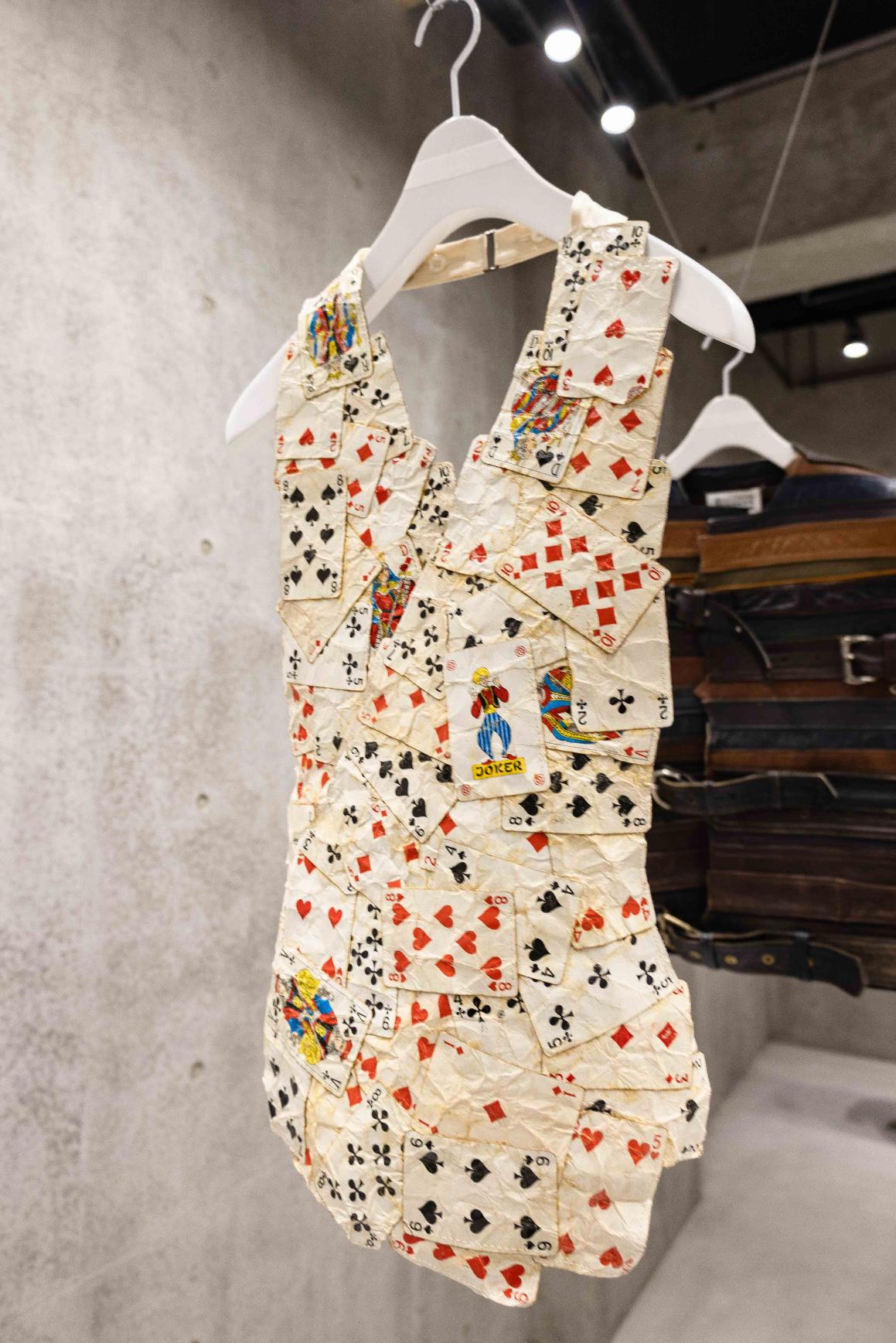
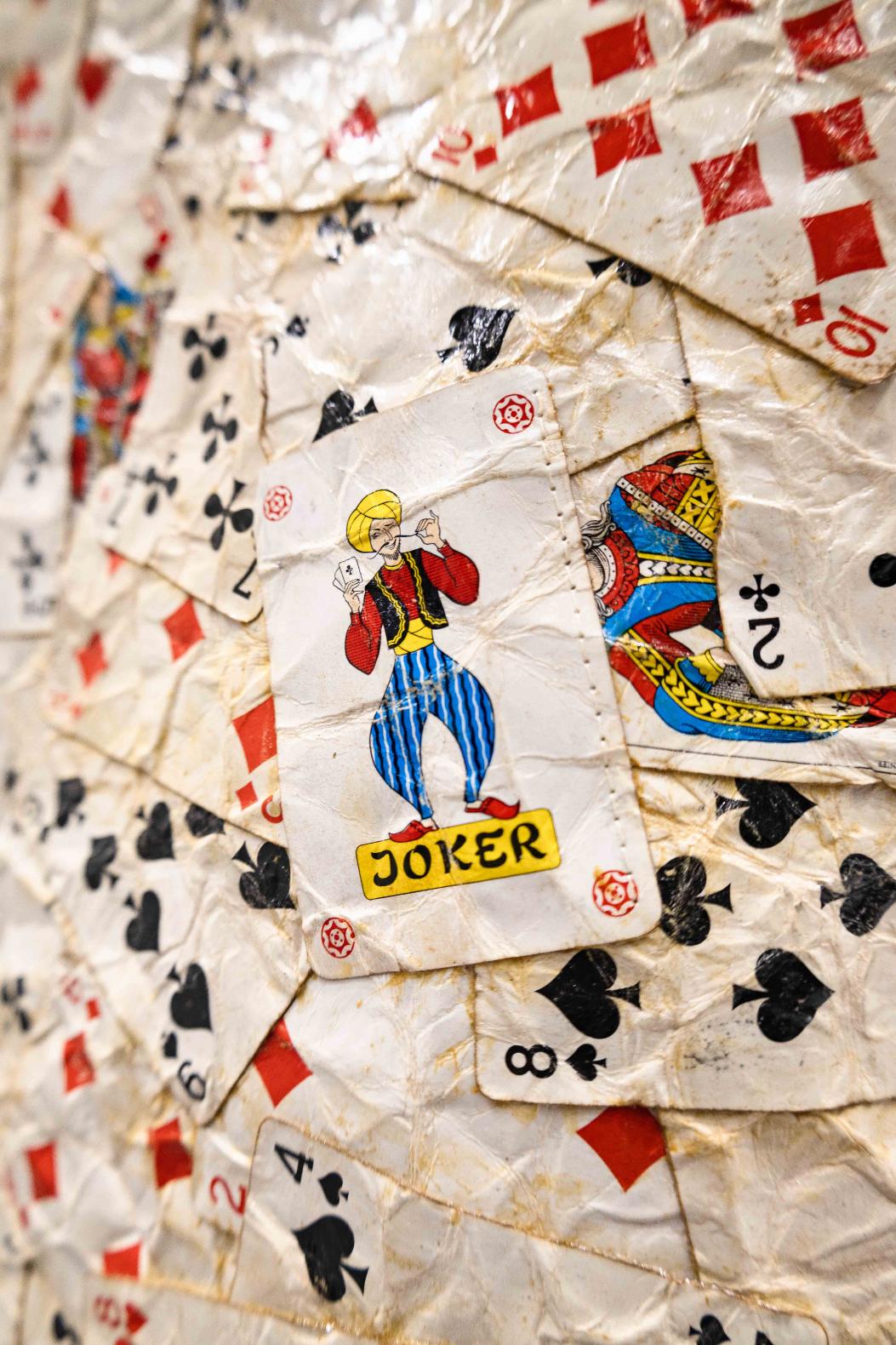
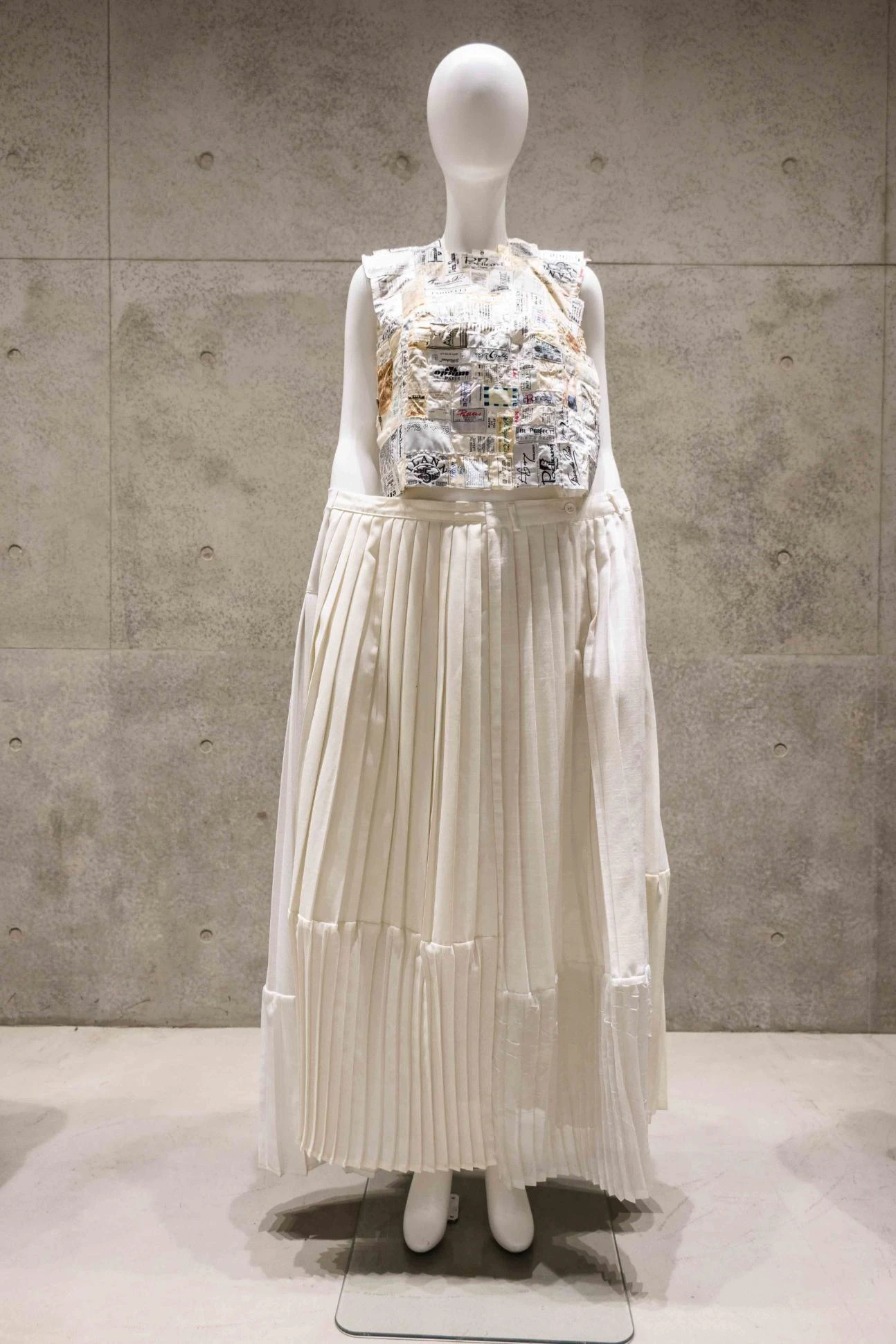
To speak of the Artisanal line is to enter the most radical dimension of Margiela’s practice. This is not couture in its traditional sense; it is a necessity for reinvention — where materials transcend their original purpose, merging into a continuous cycle of transformation.No longer does it matter what something was. It becomes what it can be.
A new purpose emerges. New questions arise. In a world where past and future constantly intersect, even human creations are given the possibility to exceed their intended function. Artisanal becomes a laboratory of ideas, where creation begins with what already exists. Garments are dismantled and reassembled. Materials are displaced, reassigned, reimagined. The process is endless, yet it is precisely this act of rebuilding that first activates the observer — and only later, the wearer. A leather coat becomes a dress. A dress becomes a vest. A tailored jacket is turned inside out, losing its orientation by collapsing, yet in a deliberate and poetic way. Bottle caps, keys, fragments of everyday life are elevated into couture. What was once insignificant finds a new hierarchy, moving from disposal to celebration almost mythologized within the realm of haute couture. This is not simply upcycling. It is a form of present-day archaeology. Each piece carries a tension between its past life and its current form — between function and narrative, identity and its dissolution. When conventions are broken, new questions inevitably emerge.
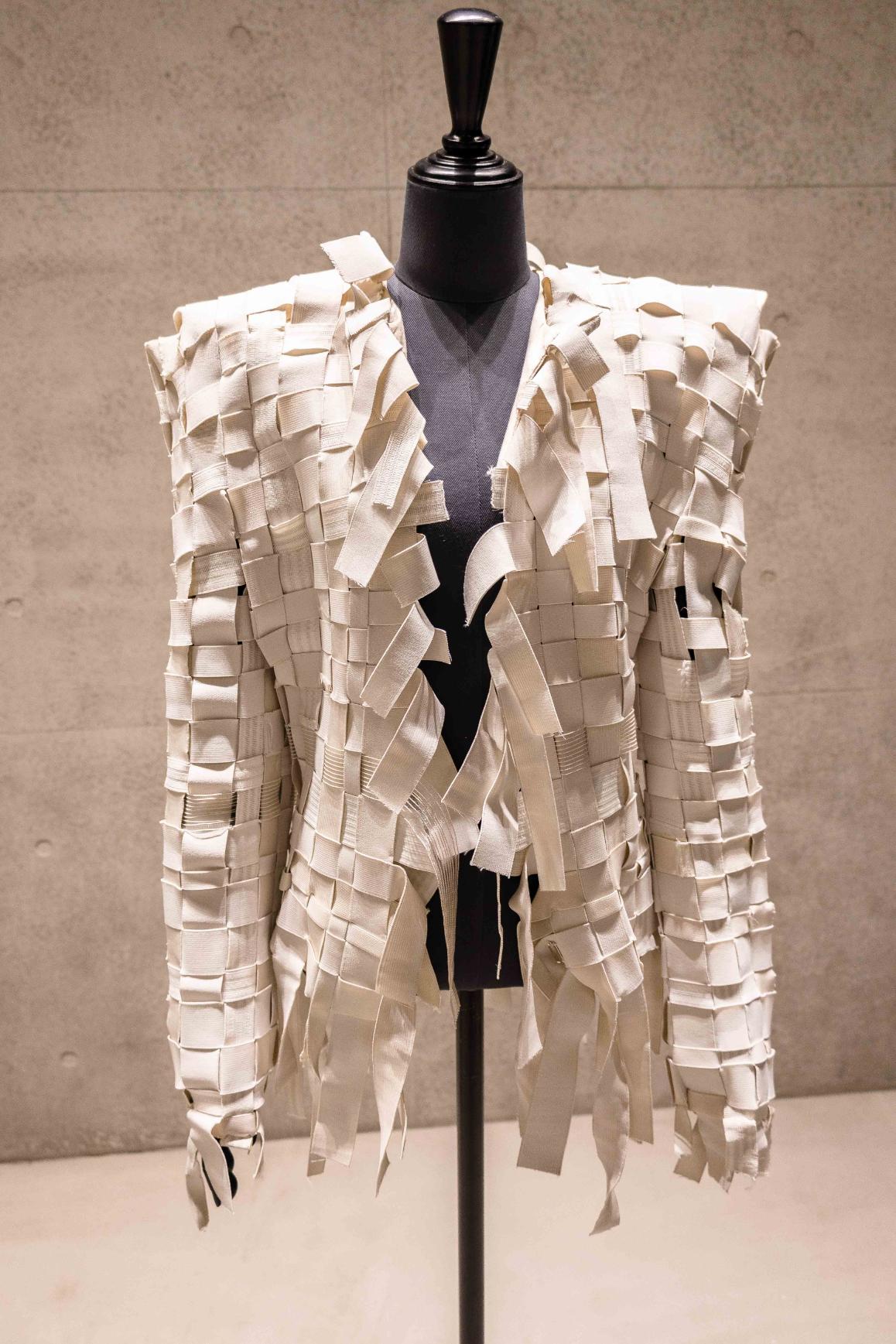
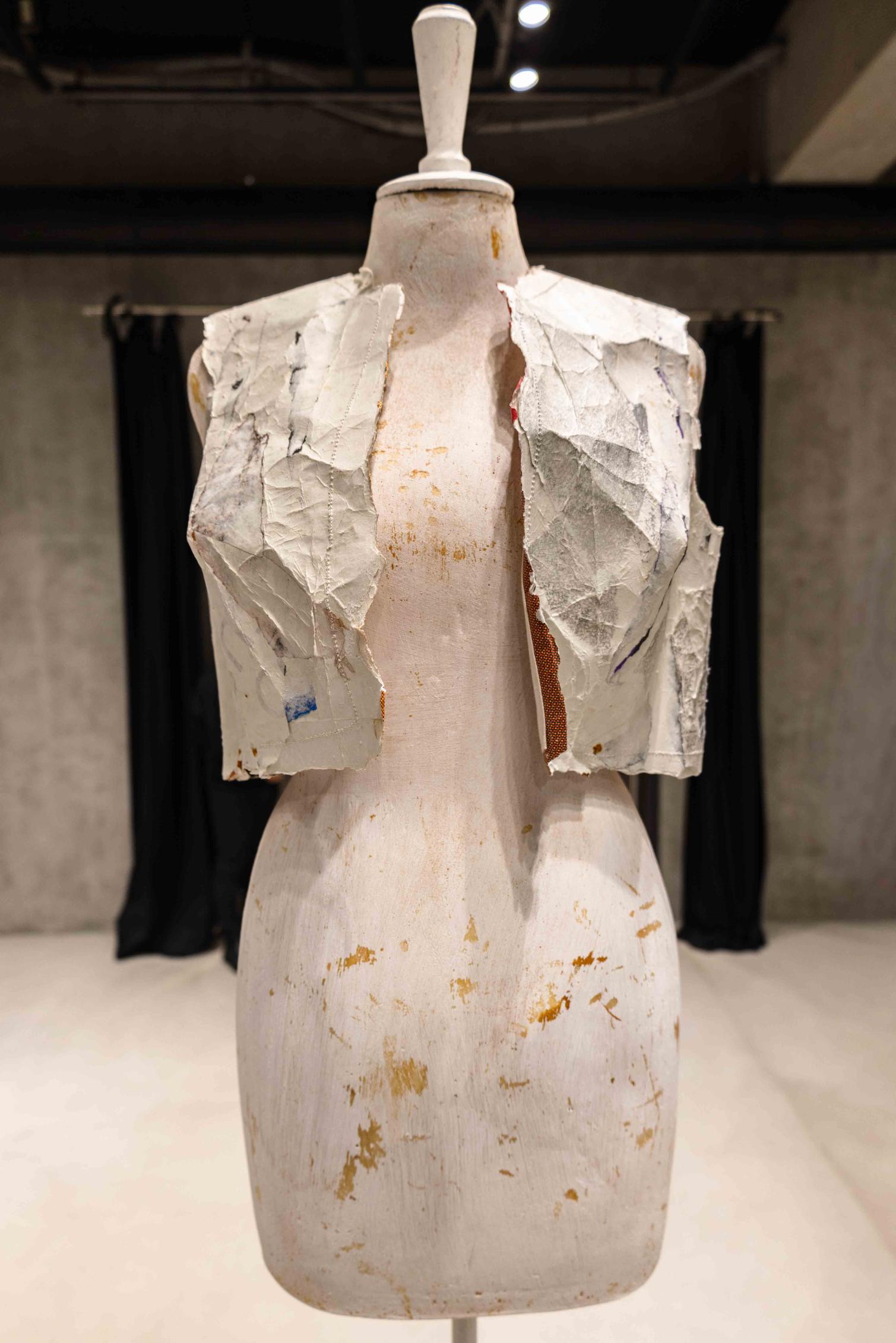
Among the most striking stories in the exhibition is that of a 1994 jacket: a garment constructed from a men’s jacket, but with its structure reversed.
When Hideō Hashiura — founder of LAILA VINTAGE and the driving force behind LA MUSEUM — first encountered it, he could not immediately distinguish the front from the back. The experience was disorienting. And yet, that disorientation became generative. It marked the beginning of an archive. The jacket was eventually sold. Then regretted. Years later, it returned — sent back by its owner, as if it still belonged to its place of origin. It is no longer just a garment. It is a lived object. And perhaps this raises a deeper question: what happens when objects stop existing passively? Does having a story bring them closer to something almost alive? Does it assign them purpose — or simply reveal one that was already there? At what point does a garment cease to be functional, becoming instead a cultural artifact? What transforms it into evidence — not just of fashion, but of a disrupted ideology?
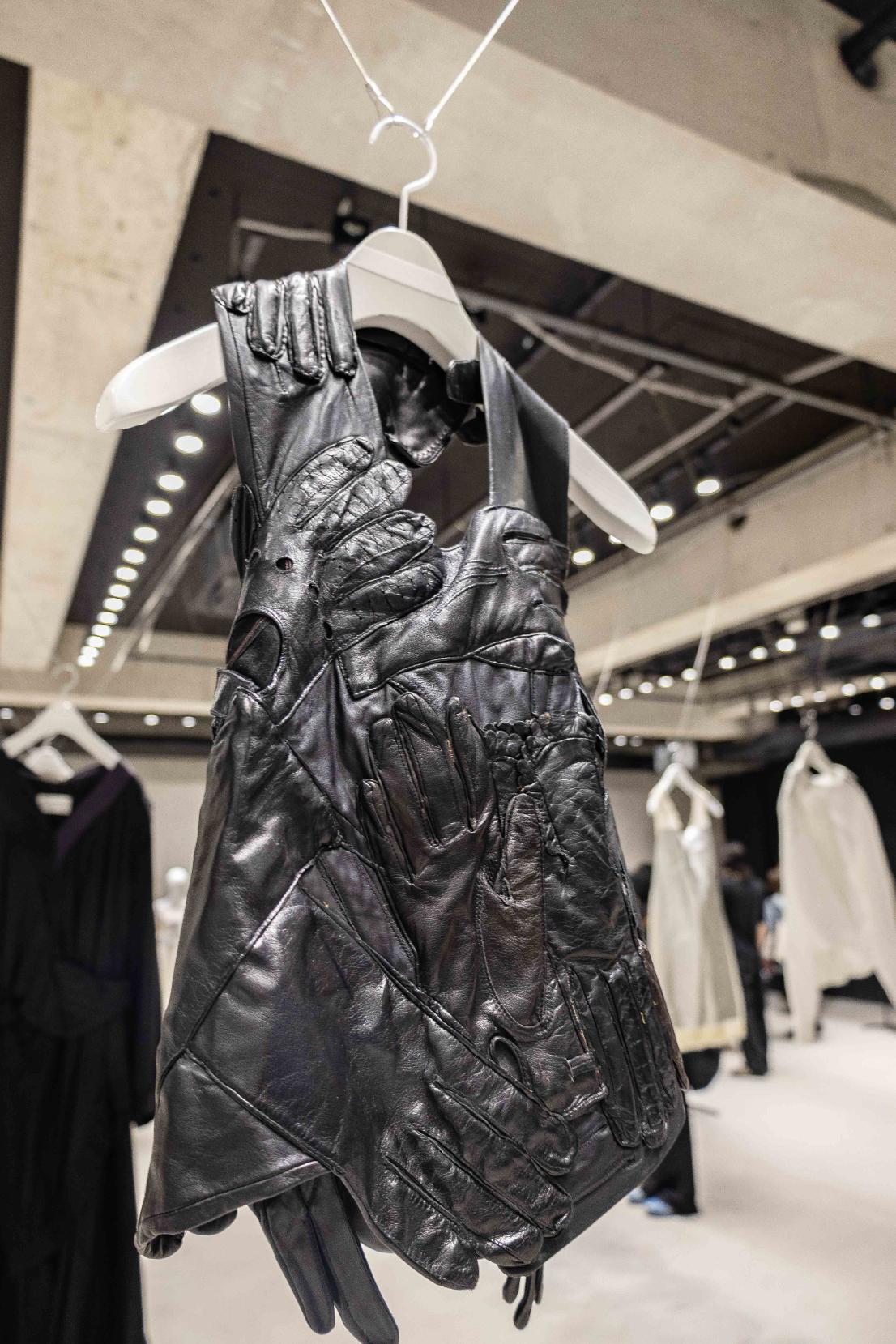
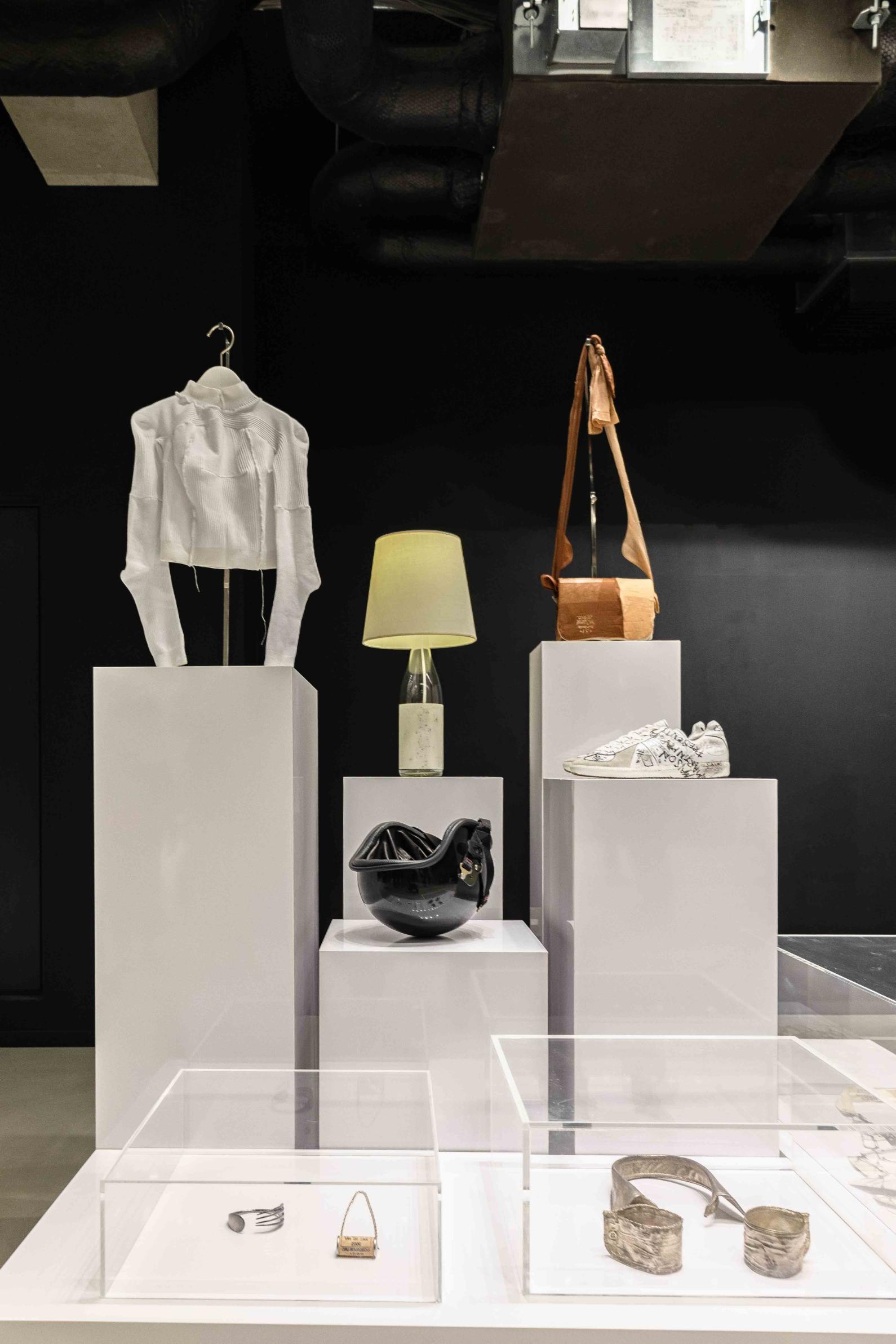
This is where Artisanal departs from the conventions of a fashion exhibition. It does not simply display garments; it reveals relationships. An intimate dialogue between matter and space unfolds, charged with a quiet intensity. Visitors become witnesses to a journey that moves between past, present, and future. Alongside the pieces are the voices of those who wore them, collected them, or were part of Margiela’s orbit — figures such as Marina Faust, Shoichi Aoki, and other collaborators and observers. Their testimonies do not explain the garments; they expand them. A denim dress becomes the trace of a specific moment in time. A jacket woven with elastic threads echoes the sculptural language of Franz West. A vest made of bottle caps becomes the result of a collective gesture.Each piece functions as an archive within the archive. In an increasingly digital future — where language risks becoming detached from material reality — the archive itself may evolve into something purely symbolic. And yet, within this exhibition, materiality resists disappearance. It insists on presence.
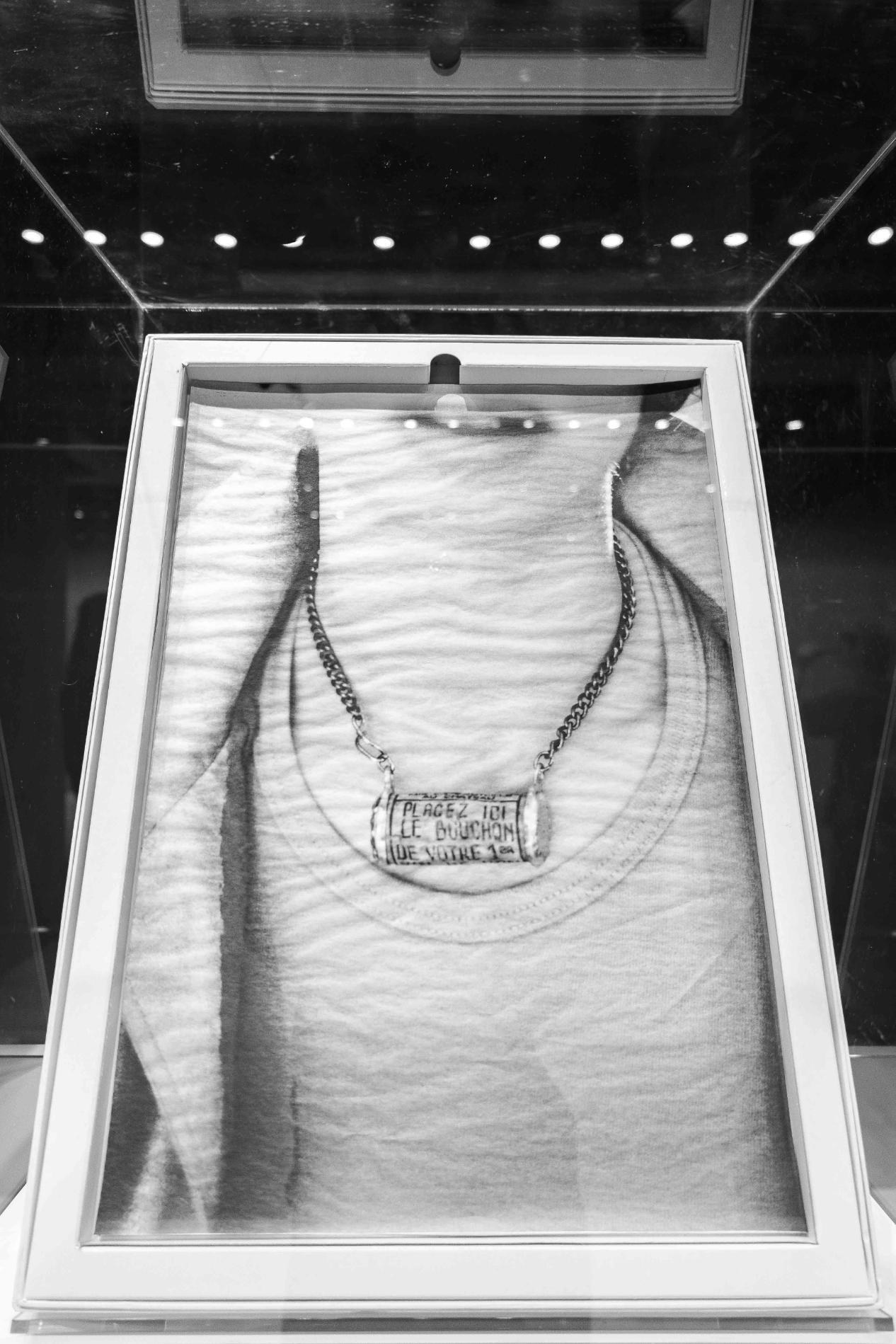
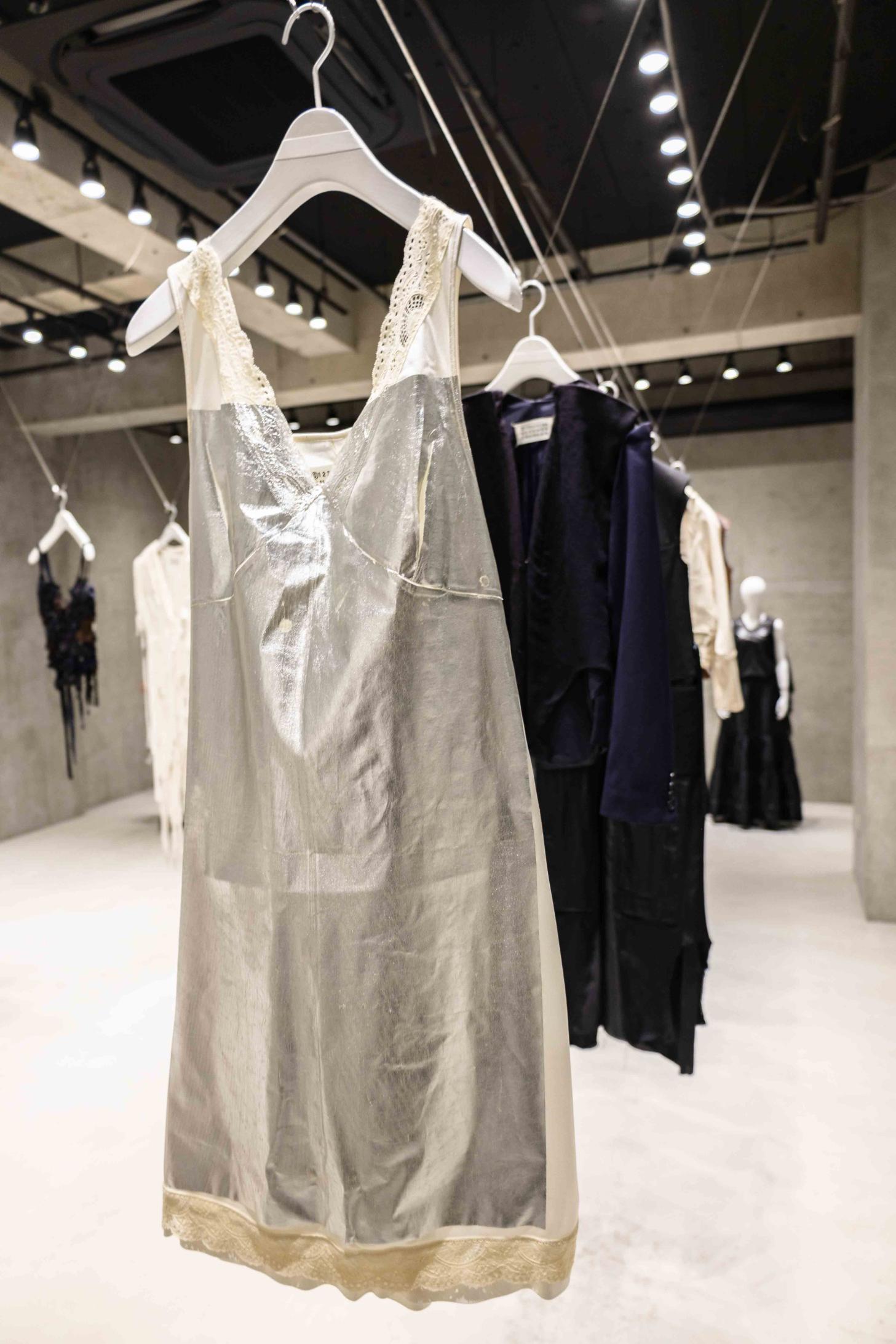
In the exhibition’s “Lab Space,” approximately 70 additional Artisanal works are presented in close proximity. There is no imposed distance, no protective barrier. Seams, imperfections, and manual interventions remain visible.
It is here that Margiela’s work reveals itself most clearly — not in its final form, but in its making. In a contemporary fashion system driven by speed and polish, these objects reintroduce something fundamentally human: the time required to create. The display does not impose a fixed narrative. Instead, it allows the viewer to decide what to look for — and, ultimately, what to see. In doing so, it invites a reconsideration of one’s own relationship with clothing, questioning both the role of fashion and the meaning of making.
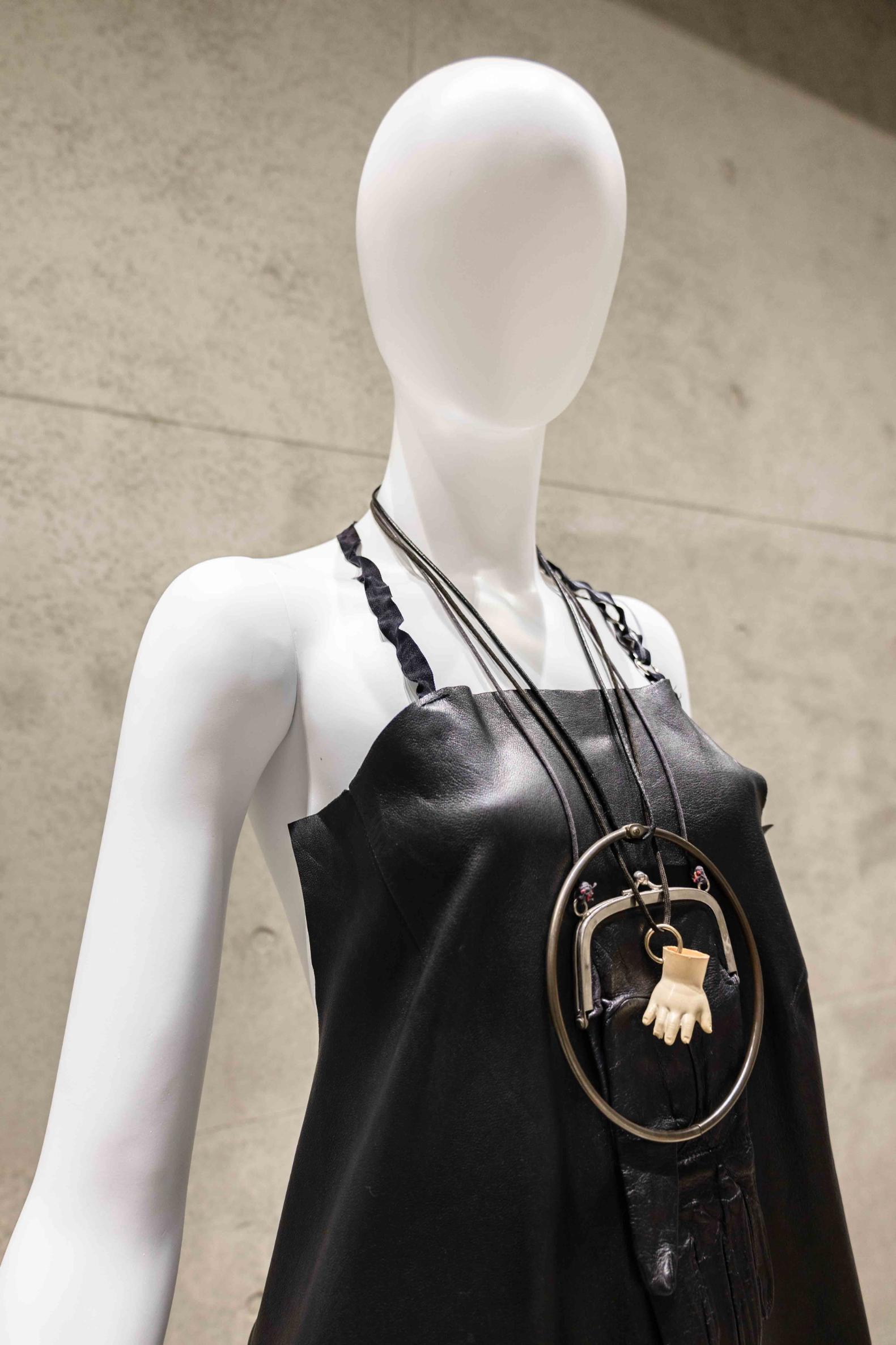
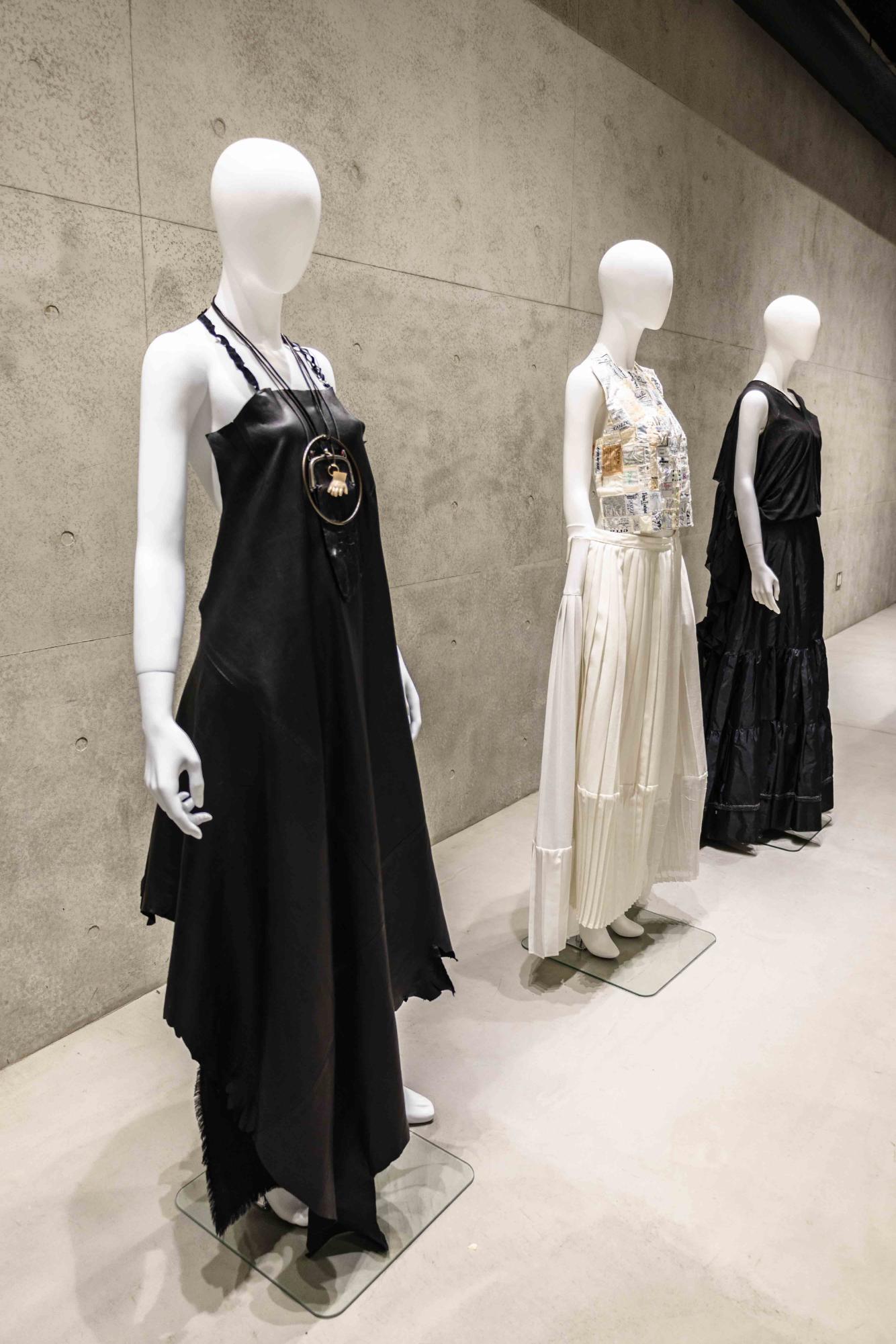
Artisanal is not a nostalgic exercise. It does not seek to preserve the past, but to reactivate it. It reminds us that fashion can be a form of thought. That a garment can carry a biography. That making can be an act of resistance. In a system shaped by excess and constant production, Margiela’s approach suggests an alternative — one where creation is not driven by visibility, but by intention. Here, making — perhaps better understood as the desire to make — becomes a quiet manifesto. Martin Margiela has always worked through absence, silence, and subtraction. This exhibition renders that language tangible, without ever fully resolving its mystery.
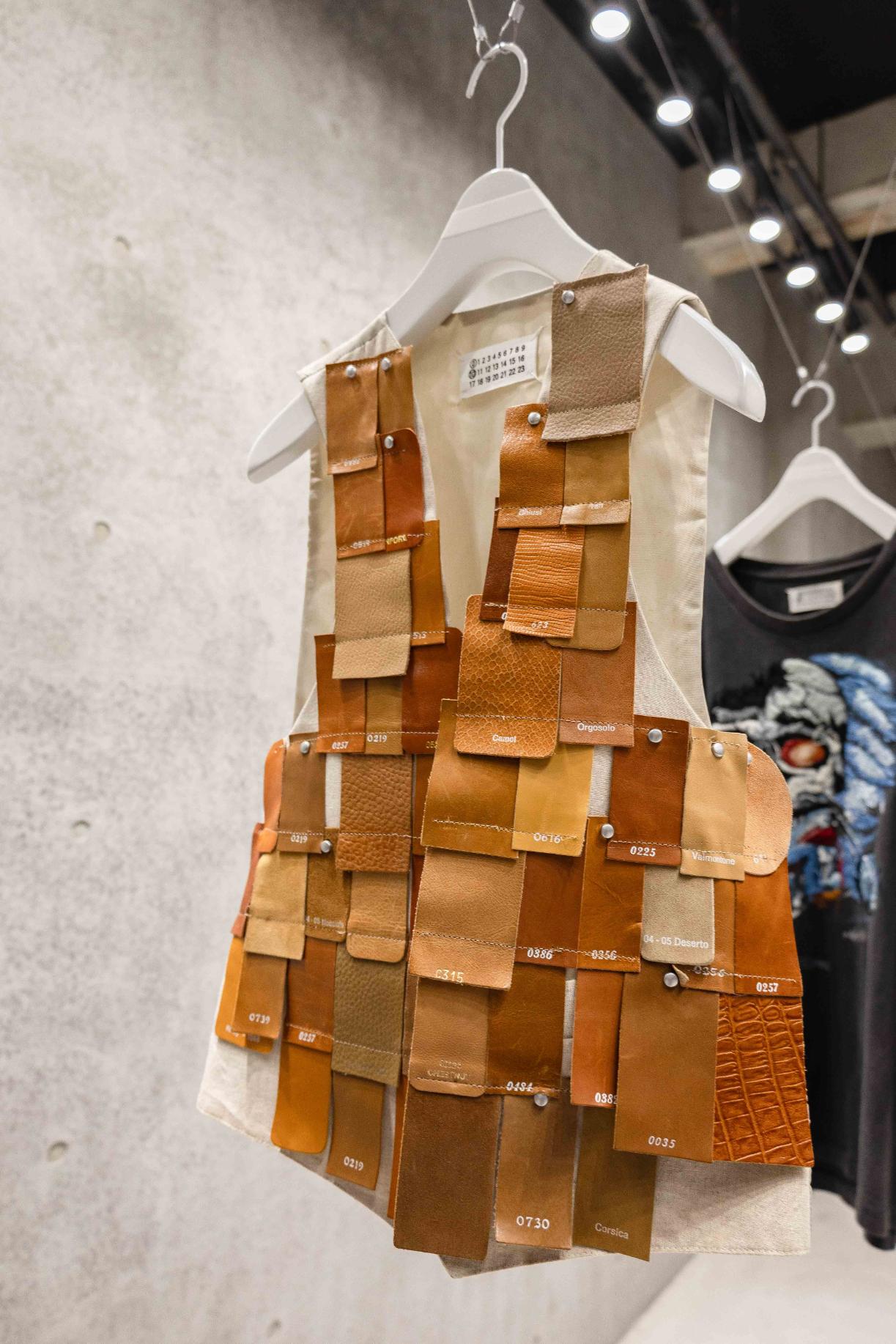
Information
Exhibition: Artisanal
Dates: April 22 – April 26, 2026
Opening hours: 11:00 – 19:00
Location: THE FACE Daikanyama
Address: ROOB1-B2F, 28-13 Sarugakucho, Shibuya, Tokyo
Organized by: LA MUSEUM / printings.jp
Tickets: Available online