- Date
- 27 JULY 2026
- Author
- MIRA WANDERLUST
- Image by
- DON ELEKTRO
- Categories
- Interviews
Don Elektro on Digital Art, Internet Culture and the Age of Visual Overload
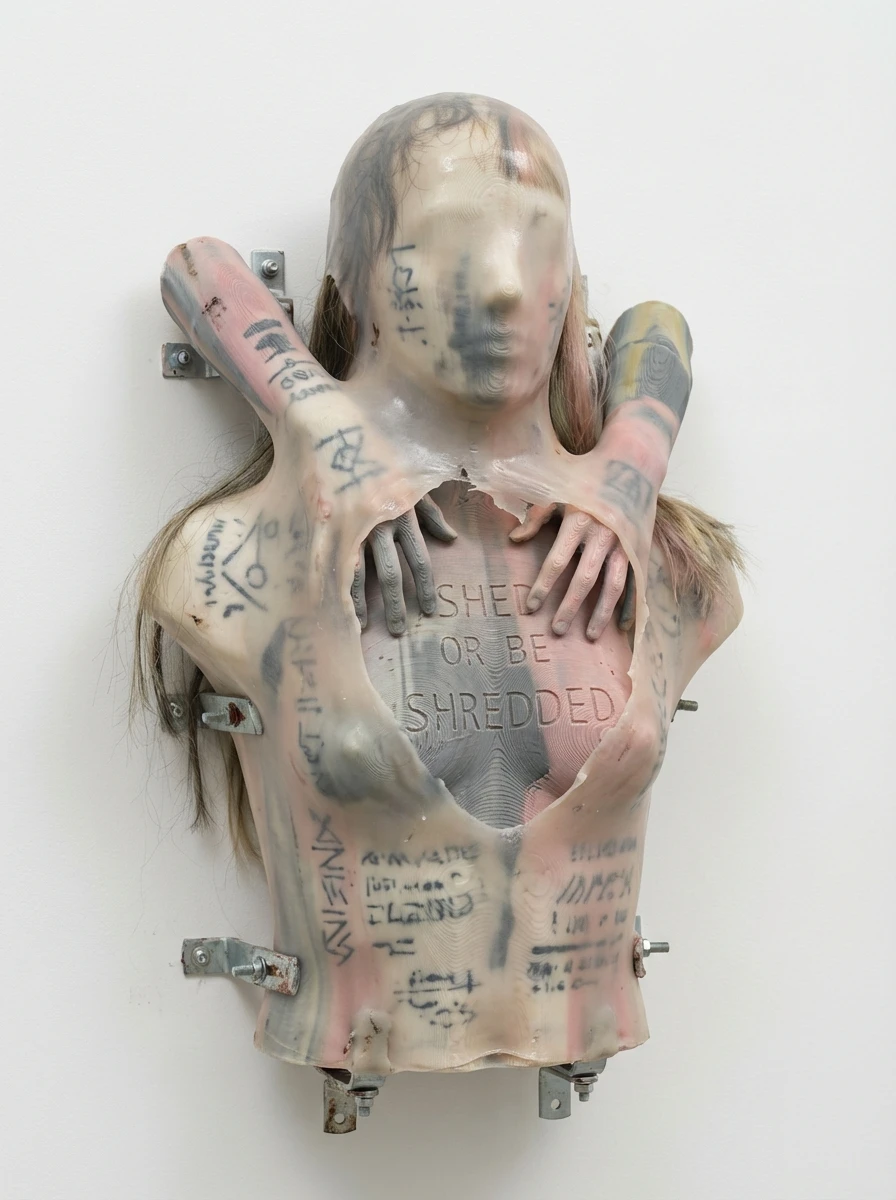
Don Elektro is a Leipzig-based artist and graphic designer whose practice is rooted in the visual culture of the internet era. Self-taught and shaped outside of institutional frameworks, his work has developed through sustained engagement with social media, digital editing tools, and the rapid circulation of images across online platforms. Drawing from glitch aesthetics, digital collage, and graphic design, he constructs layered compositions that negotiate between excess and clarity, irony and sincerity, humor and critique. His visual language reflects a generation formed by screens, where aesthetic experience is inseparable from the constant compression, repetition, and acceleration of imagery.
At the center of his practice lies a sensitivity to transformation: the ability to take fragmented visual material and reorganize it into something charged, unstable, and emotionally legible. This is also where his concept of “VISUALFASTFOOD” becomes relevant — a term he uses to describe the accelerated consumption of images in contemporary life, and the way visual culture now functions through immediacy, saturation, and competition for attention. Rather than rejecting this condition, Don Elektro works through it, turning the overload of digital culture into a site for reflection, play, and formal experimentation.
His artistic trajectory is also closely linked to collaborative practice, particularly through KOTZ, the art gang he co-founded with Marian Luft and Salvador Marino in 2019. Emerging from the energy of online art communities, KOTZ combined conceptual wit, collective authorship, and a knowingly irreverent approach to contemporary art. Within this context and beyond it, Don Elektro has developed a practice that is both self-aware and porous, engaged with the contradictions of digital life while remaining attentive to the material and emotional charge of images.
READ THE FULL CONVERSATION WITH DON ELEKTRO EXCLUSIVE FOR RED EYE WORLD BELOW ;)
What inspired you to become an artist and graphic designer? Were there specific experiences or art influences that ignited your passion for this field?
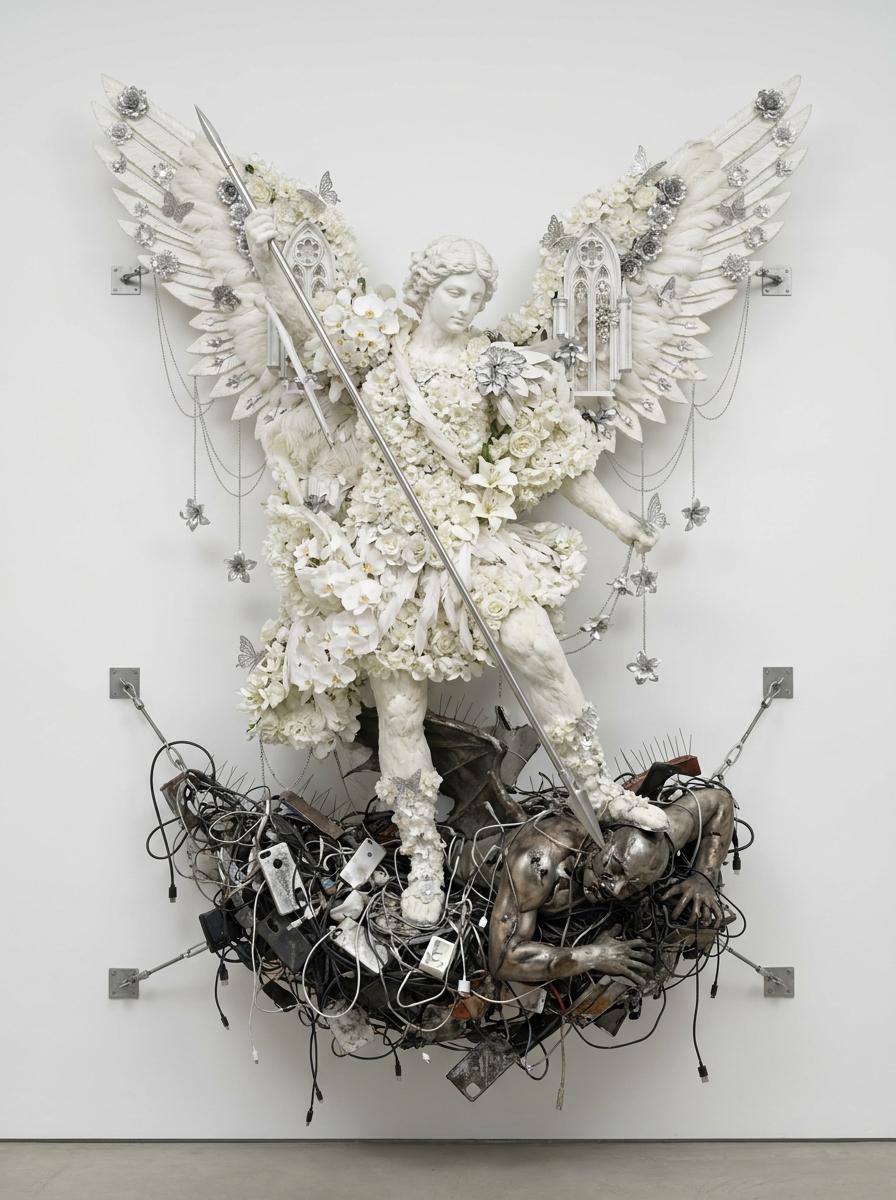
Life! I mean, at some point in life, I simply decided to be an artist, although I never took the academic route. I wanted to study New Media Art at Hochschule für Grafik und Buchkunst Leipzig in 2016, got rejected, and never applied again. Sure, I was a bit disappointed at first, but life had different plans for me. Since I was already busy working and sharing my work on social media from 2013 onward, I never really felt the need to apply again and follow that path. By that time, I was already well connected, doing group shows, getting publications, and working self-taught in art and graphic design throughout my twenties.
Now, I could go deeper into the personal details — how it all came together, how heavily I was influenced by art, music, TV, video games, early PC creations, and all that — but there’s one story that really gave me the final realization that I am, in fact, someone who makes art.
In 2016, I went to a local group show in Leipzig. It was a pretty traditional exhibition with the usual range of works, from paintings to sculptures, but only one piece really caught my attention: Marian Luft’s printed digital collage work Power User (Snapchat) (2016, 170 × 120 cm). It completely blew my mind because I remember thinking: “Wait a minute… I’m doing similar stuff. And if this is art, then I’m an artist too.” Two years later, we became friends and, together with Salvador Marino, founded the art gang project KOTZ in 2019. The rest is history, lol.
The graphic design part is really just a byproduct of my digital and social media work. People saw that I was good with digital aesthetics and started commissioning me for graphic design services. That’s basically it.
Can you tell us more about the KOTZ Art group and your role within it? As a founder member of KOTZ Art, could you describe the vision behind the group? What are some of the collaborative projects you have worked on, and how does KOTZ Art contribute to the local or broader art community?
KOTZ was probably the most passionate art project I’ve ever been part of. To me, it was the most fun on every level, conceptually, artistically and work-wise. Just creating funny bullshit together with two amazing artists honestly felt like heaven to me.
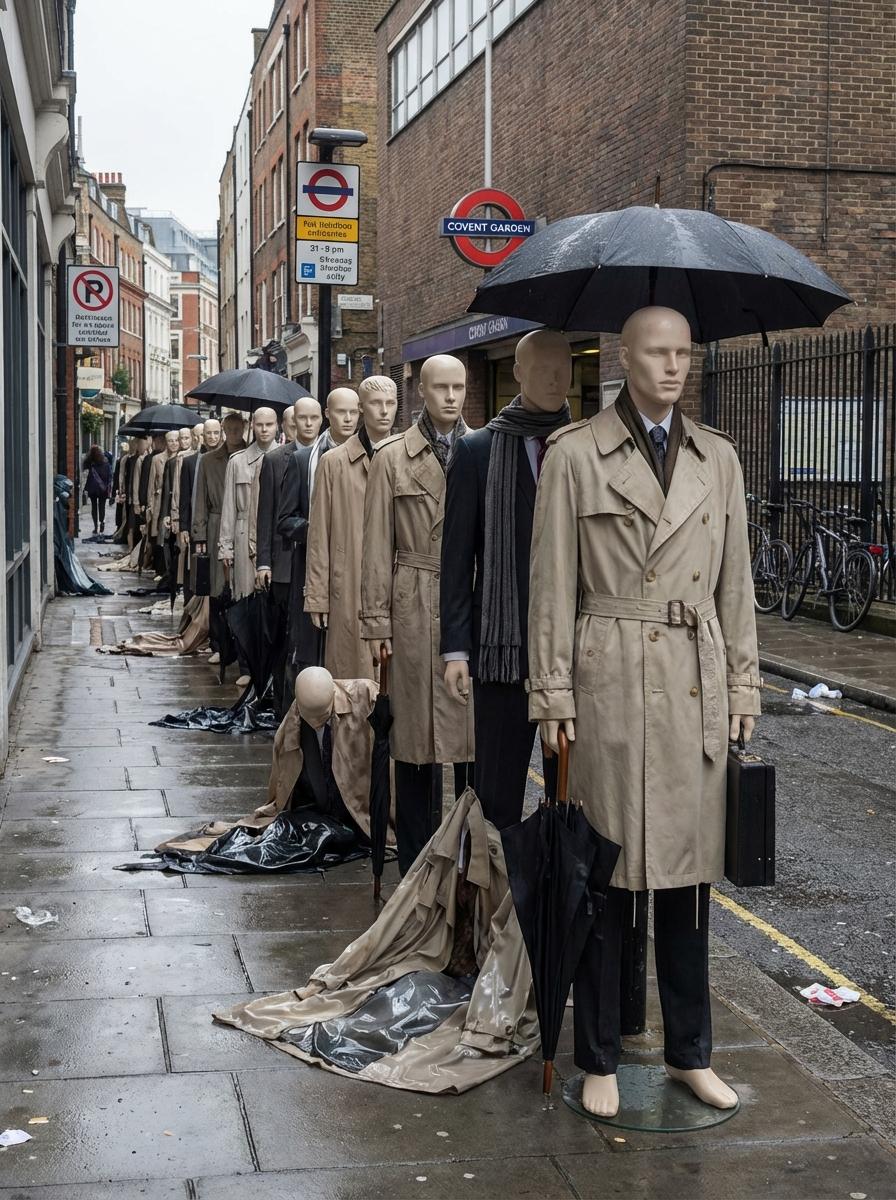
KOTZ was probably the cockiest troll art gang of its time, but always with a good heart and spirit behind it, three guys who genuinely loved contemporary art during the peak years of social media madness. Our slogans were things like “BAD ART, WELL MADE” or “Forbes No.1 voted art gang.” Right from the beginning, we collaborated with other groups and individuals from our international Instagram art bubble. Even our first off-site show was part of a larger online group exhibition experience initiated by Ian Bruner / @ideath_ called “Rhizome Parking Garages.”
One of KOTZ’s biggest strengths, besides our strong online network and art community, was the fact that each of us brought completely different skills and perspectives on art to the table.
Marian Luft studied photography at Hochschule für Grafik und Buchkunst Leipzig and moved into internet-based aesthetics and digital artworks early on. He had already done a lot of solo and group exhibitions, was involved in the chaotic collective project “gallery first,” and even ran his own off-space gallery in Leipzig, the BSMNT Gallery at Spinnerei Leipzig. So in many ways, he was the leader of the pack when it came to navigating traditional art world situations.
Salvador Marino was our tech specialist, a biologist and transdisciplinary artist with a cute meme-ish silliness to him. He always put the cherry on top of our projects with his insane skills in 3D printing, coding and engineering. He definitely elevated every single project we worked on.
And then there was me, the nerdy art school reject and social media artist with a strong understanding of internet culture, online dynamics and graphic design. I mainly handled the social media presentation and hopefully contributed a good amount of absurdity and silliness to the whole thing.
I’m still incredibly proud of the projects we created together, but especially The Schnitzel Pavillon and Kotz Limbus stand out to me. Both were completely insane, event-based installation works that also allowed the audience to become part of the artwork itself. I still love them.
In what ways does the cultural landscape of Germany influence your design style and themes? Are there particular aspects of German art or culture that resonate with you and inspire your work?
Like “Mad(e) in Germany” type shi? :D
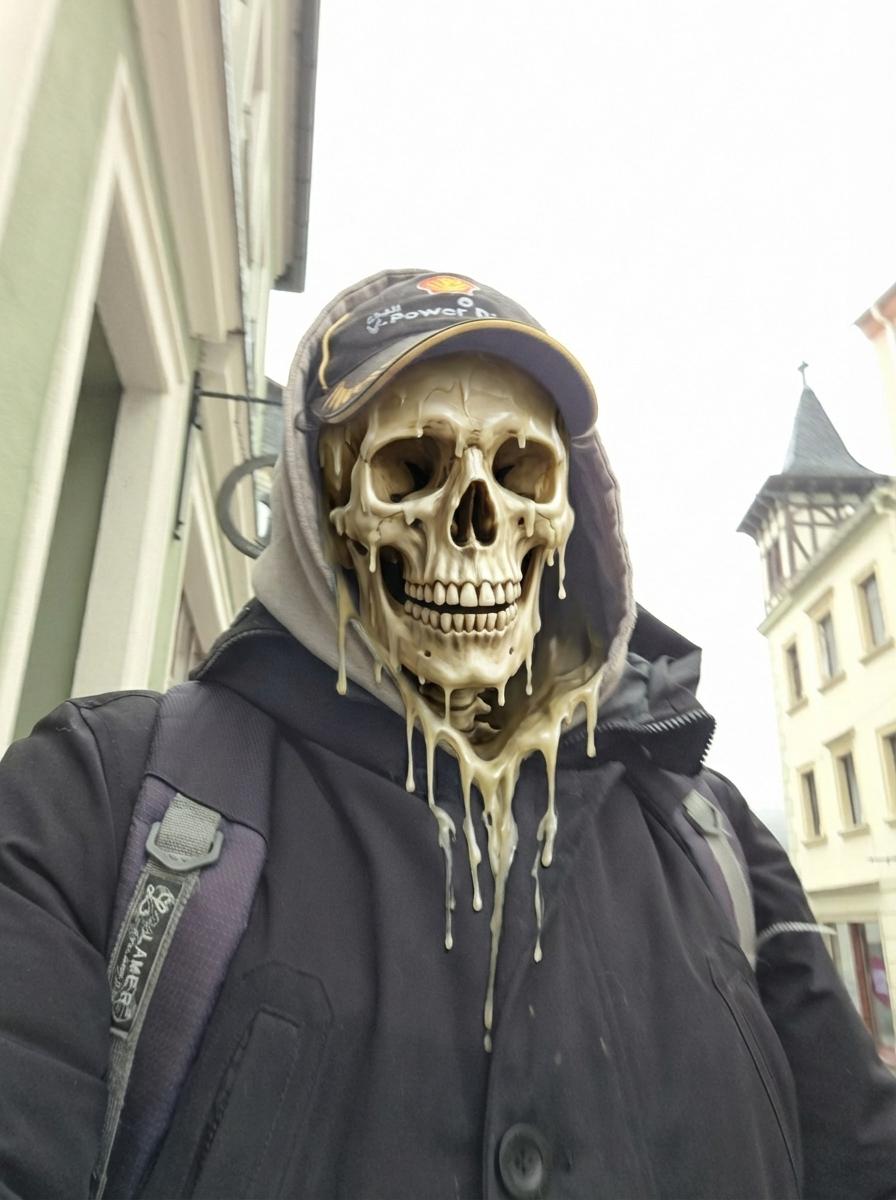
As a German, I’m fully aware of my cultural heritage in art, design, and pop culture. Of course, this has influenced me on a conscious and subconscious level, and since German is my mother tongue, I naturally understand German culture in a very direct way.
But the question is hard to answer in a clean way, because I grew up as a former GDR citizen in the post-Soviet era, while at the same time being shaped by TV, music, and video games. That means I was influenced by American, German, and Eastern and Western European cultures all at once, without really being able to separate them as a kid or teenager.
Speaking specifically about German influences, I can say that Albrecht Dürer, especially works like The Great Piece of Turf (1503), local architecture, graffiti, german tv shows, the Bauhaus school and its aesthetics, and Hannah Höch’s Cut with the Kitchen Knife Dada through the Last Weimar Beer-Belly Cultural Epoch of Germany (1919–20) had a strong impact on me growing up.
Germany, to me, carries a long and complex history not only in a historical sense, but also in terms of thinking, philosophy, and cultural mindset. There’s a layered collective experience of knowledge, trauma, and artistic production that stretches over centuries. I don’t think you can ever fully separate yourself from that. Even if you try, it stays in the background, like an operating system running underneath everything.
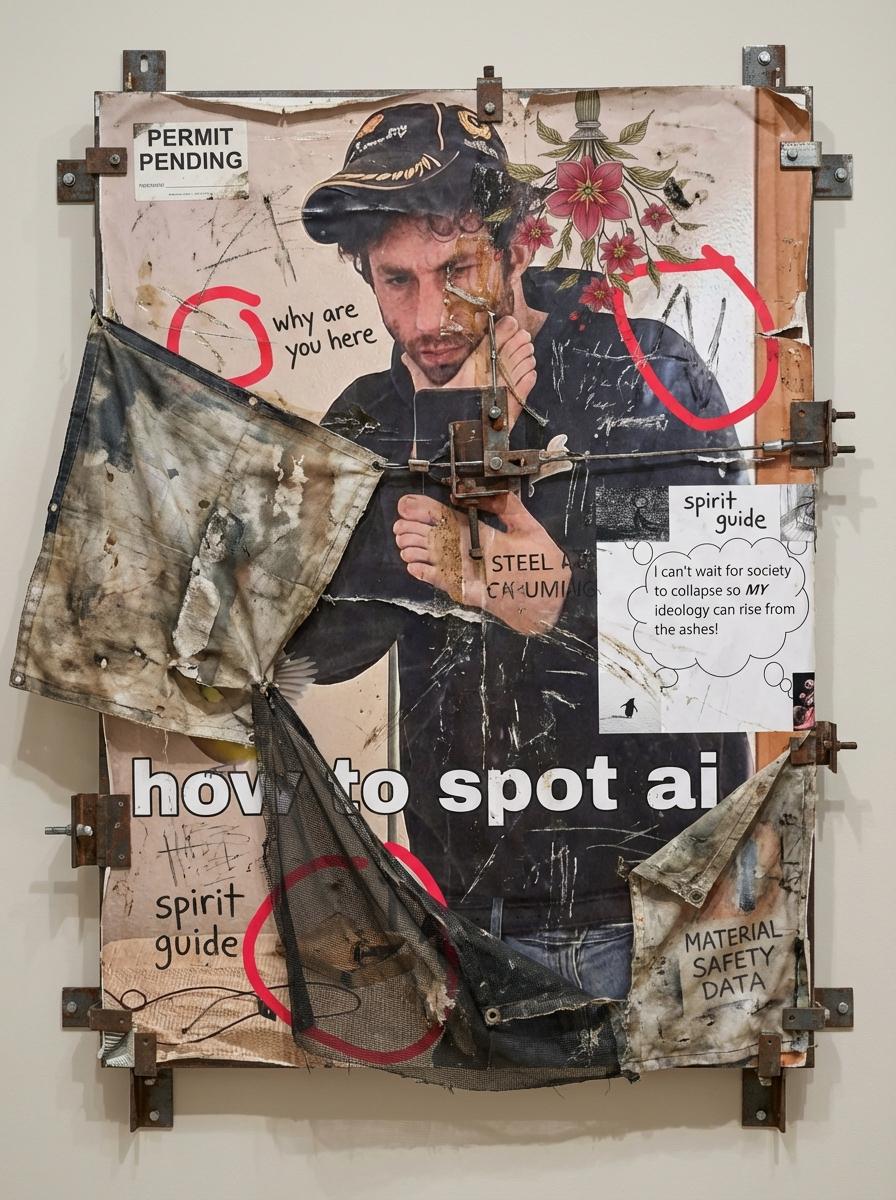
How do you think imagery is consumed today and how do you think social media had an impact on it through the years in both ways, bad and good ? Do you think digital education for the future generation of creatives is important today?
Like fast food: we get flooded with images, texts, and data of all kinds constantly on social media. Our little monkey brains, which run on instant gratification and cheap dopamine hits, weren’t really ready for this flood of information. But like fire or any new technology, it’s always both a destructive and a creative force.
Great thinkers and creators in the past were already complaining about things like the rise of the printing press or the gramophone, and they had arguments that still sound reasonable to me today. But once Pandora’s box is open, it’s open. There is no way back, only moving further in until a civilization collapses and knowledge and technology get lost in time again.
Future creatives definitely need digital education, yes, of course. But also education in psychological, mental, and physical well-being. We cannot stay sane or “heal” through knowledge alone. Knowledge has to be integrated; otherwise, it also becomes just fast food for the brain.
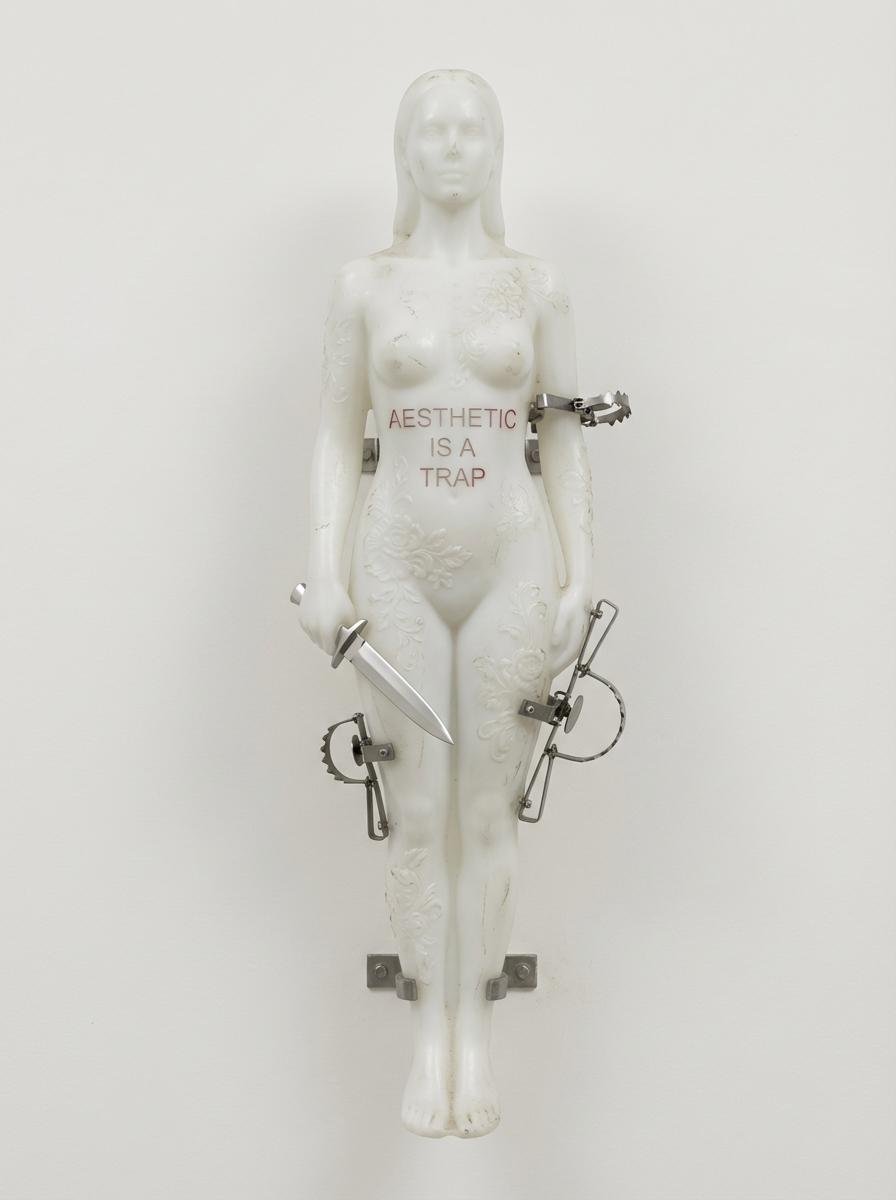
What are some of the group shows you have participated in, and which one was particularly memorable for you?
I had a bunch of nice group shows I was part of. The most memorable ones were:
Rhizome Parking Garage “beneath the beach, seamless paving stones” (2019/20), curated by Ian Bruner (@ideath_) and Noah Travis Philips (@th3no4h). It was a huge international off-site and online photo project under the umbrella of the fourth edition of The Wrong Biennale. I was part of it with my art gang KOTZ, and it was literally our first show. I also did the logo for RGB and worked together with Ian on the poster, as well as the music for Parking Garages SoundCloud covers.
I was also involved in Tobi Keck’s Big Fungus (2021), an off-site show project including works by around 50 artists, plus a book and a book release exhibition at Number 1 Main Road in Berlin in 2024. I sent him a small artwork made from polymer clay and toast for his documentation in the Bavarian Forest, and I also did the corporate design for the project, including Instagram posts and the poster and book design.
Another off-site show that stands out for me was Garden of Death Part 3 by PLAGUE, again with my art gang KOTZ, where we showed works in the woods around Leipzig together with other artists and friends in 2020.
Also, ION – Dirty Laundry (2022) was a huge pleasure for me. It was a large international off-site show involving various international off-spaces, as well as a classical exhibition in Athens at KIEV.
https://i-o-n.org/dirty-laundry-final-show/
And more recently, I was part of their RED FLAGS show at Fabula Gallery in Moscow in 2025.
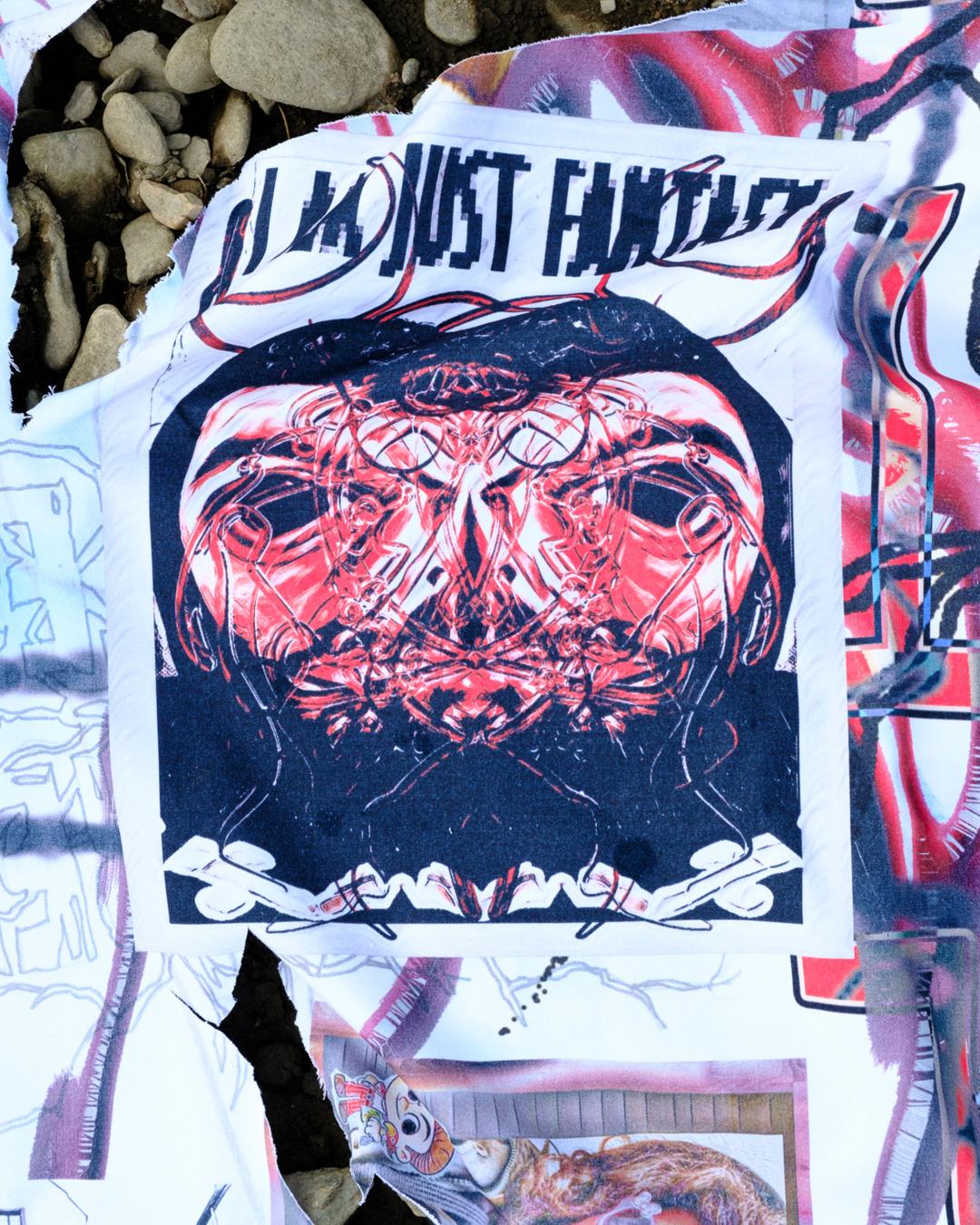
How has your practice evolved since you started as a digital and social media artist in 2013? Could you reflect on your artistic evolution since you ventured into the digital medium?
My whole social media art journey started when I moved from MySpace to Facebook, got into Photoshop editing, and discovered digital art communities like Glitch Artist Collective and Archival Aesthetics: Environment and Objects. Since I had already trained my aesthetic eye through three years of image sharing on MySpace with different users, I started experimenting with glitch art, the practice of “destroying” images in an interesting way, whether through traditional techniques like datamoshing or pixel sorting, or through Photoshop editing. Photoshop was especially exciting because it allowed me to combine multiple aesthetics and construct different visual narratives.
After about a year of glitch experimentation, I became more and more interested in web-punk, trashy, or aesthetically strange collage work. This led to a phase of hyper-overloaded digital collages I called VFF-pain-things, which, in their complexity, symbolism, and weirdness, were influenced by artists like Hannah Höch or Marian Luft. VFF stands for VISUALFASTFOOD, and I plan to speak more about this philosophy later, in question number nine.
So basically, I moved from glitch art to digital abstraction to web-punk to contemporary art, with all these influences overlapping throughout. Maybe I just like posting things lol. That’s what I’ve been doing since Facebook, Tumblr, and especially since 2015 in a very radical and pushy way.
https://www.instagram.com/glitchartistscollective/?hl=de
Your work involves transforming images into multilayered pieces. How would you define your creative process ? What specific themes or stories do you find yourself drawn to, and how do they manifest in your creations?
This is a complex process, and for years I didn’t even really know why or how I was doing it. I just always felt the need or pressure to transform vague or confusing daily emotions and feelings into something I could actually look at and post. The act of creating was the transformation of those ideas and feelings, and posting them was the relief.
Themes and narratives are rooted in the moment of creation, and they are always tied to myself, my past, present, and future understanding, and the surrounding noise I am constantly trying to make sense of. I know that might sound vague, but since I’ve done so much over time, it doesn’t really make sense for me to talk about one specific form or narrative.
To understand it better, maybe: all themes and narratives are just noise, and I am surrounded by both external and internal noise — daily news, life events, the beauty of ugliness and the ugliness of beauty, a meme, a song, a stupid comment, a nice dish, everything.
I don’t really care about building a coherent body of work. I do it because I can, and I will because I have to.
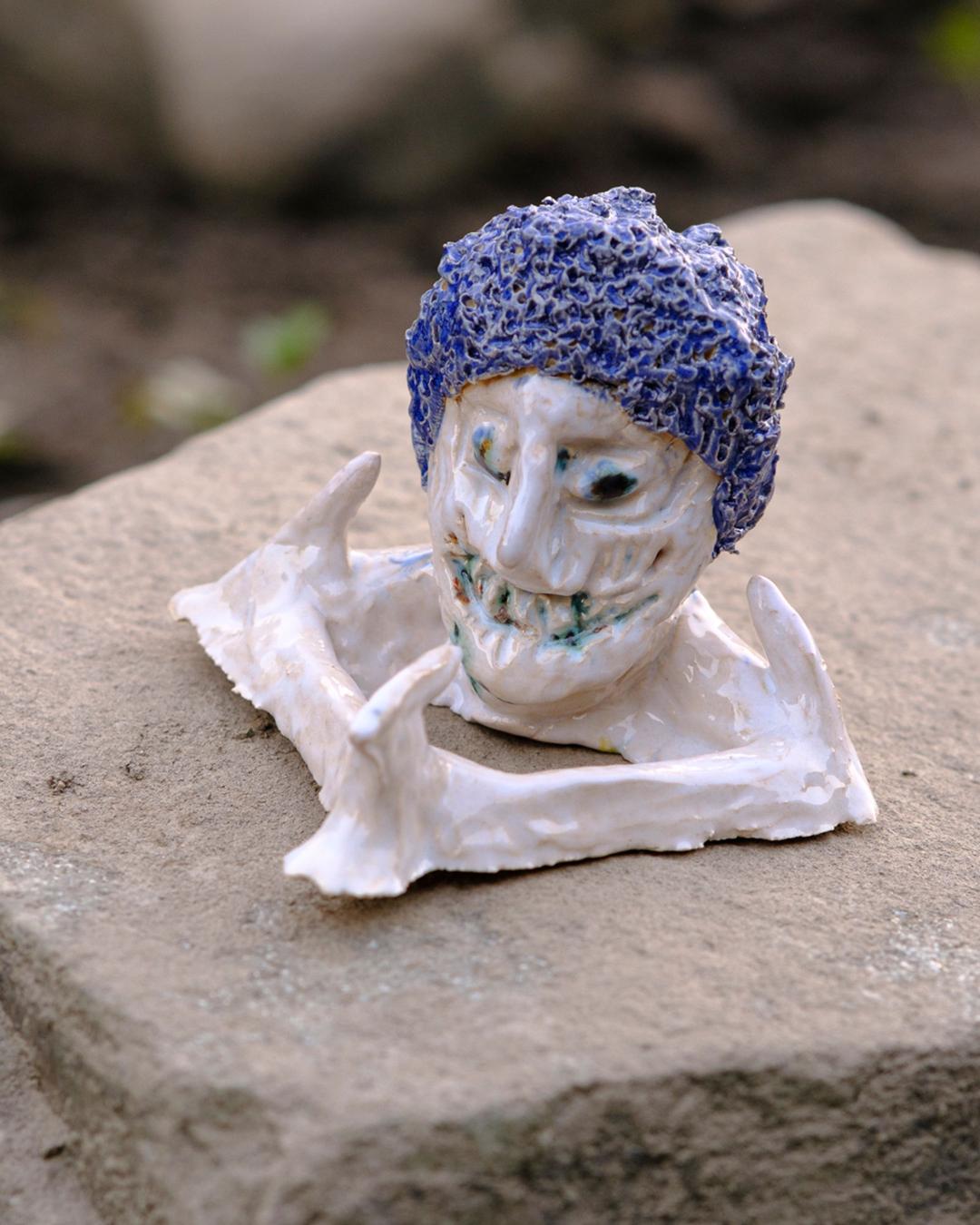
The term "VISUALFASTFOOD" suggests a quick and engaging consumption of art. Can you explain what you mean by "VISUALFASTFOOD" and how it relates to your vision? How do you conceptualize this idea, and what is its significance in the context of contemporary art and your work?
I coined the term in 2014/15 after being on social media for about five years, with a very high level of image consumption and an aesthetic range that went from trash to elite, from cute to eerie, from low to high art. What all these images had in common was that they existed online next to each other, constantly competing for attention and engagement. At some point, I came to the conclusion that all of these images are basically like food for the eyes and the mind, hence VISUALFASTFOOD as a way to describe daily image consumption.
If you look at my earlier hyper-overloaded VFF-pain-things, you can see how all these images and aesthetics coexist in the same realm, doing what humans also do to each other: helping, supporting, draining, destroying, fighting, and loving.
For me, art-making is a bit like cooking. You have a set of ingredients and you try to make a good meal. You can use the most expensive colors and materials and still ruin the artwork, or you can work with very simple or “cheap” elements and still make a masterpiece. Everything is possible. In the end, it’s always the same dynamic: the human, the material, and the ability to transform and create something new out of what already exists.
In your artistic practice, how do you approach the integration of various emotions and visual styles? What techniques do you use to mix these connections in your artworks?
I can’t really define it on a purely visual level. I have my own aesthetic preferences and I try to create compositions that feel right to my eyes. The basic techniques I rely on are the balance between harmony and disharmony, along with color schemes and contrasts. It’s a fairly classical approach to making images in that sense. For me, color and contrast are often more important than the actual visual information or surface aesthetics. Aesthetics can act as a door opener to the heart and mind, but if they are soulless or repetitive, they don’t necessarily indicate depth or strong work. The combination of idea, concept, narrative, and aesthetics has to function together.
Something that has become really important to me over the last years while posting is sound and music. I love adding songs to images, it elevates them a lot and also makes the process more fun. For video work I often created my own sound, but for simple posts I usually use the Instagram music library. I even discovered new tracks through it, the algorithm is actually very good for that.
What are some of the challenges and rewards you’ve faced as an artist working in digital art?
I don’t really care about strict medium definitions. I see myself as a contemporary artist who often uses digital tools and digital art as a medium, mainly because it currently offers the most space for exploration. But that could always change, and I wouldn’t have a problem adapting to other mediums or tools.
Of course, paintings still sell best on the art market, and more experimental digital art has a harder time entering that space. But let’s see, things change over time, including collectors and the systems around them.
AII-INFO DROP:
“Refik Anadol (b. 1985) is a dominant force in the AI art market, consistently breaking records for digital-native art with 2025/2026 sales anchored in high-value NFT and data sculpture pieces. Known as a pioneer of ‘data painting,’ his works often sell at premium auction houses like Sotheby’s, with highlights including sales exceeding $900,000 in early 2025 and a record $2.3 million in 2021.”
“Jon Rafman (b. 1981) has established a robust market for his work, which spans photography, immersive installation, and digital video, largely focusing on the impact of technology on contemporary life. As of May 2026, his work has shown strong institutional and commercial presence, with a significant increase in recent, AI-focused, and high-end sales.”
All of that does sound somewhat promising for digital artists or artists working with digital tools. I’ve stayed skeptical about NFTs in general, especially during the hype phase and the collapse that followed. But at the same time, I do see that the underlying technology and the idea of digital ownership, provenance, and distribution have evolved beyond that initial wave. It feels like the space is slowly stabilizing and separating the speculative layer from more serious artistic and infrastructural uses.
Still, I think it needs more time, and I need to do more research again to understand where it’s actually heading.
A note to your future self.
I hope you’ve found a life that feels happy and fulfilling, something you can look back on with both joy and self-respect.
Panta rhei, my friend…