- Date
- 05 FEBRUARY 2026
- Author
- MIRA WANDERLUST
- Image by
- EDWARD CRUTCHLEY
- Categories
- Interviews
Interview with Edward Crutchley: Exploring the Intersection of Craftsmanship and AI in Fashion
Edward Crutchley has long been recognised for his refined approach to menswear, rooted in deep research, historical literacy, and an uncompromising respect for craft. In this conversation with RED-EYE, Crutchley reflects on how textiles remain the emotional and intellectual foundation of his practice, while exploring how AI image generation has opened new pathways for storytelling, world-building, and speculative design.
Rather than positioning technology as a replacement for craftsmanship, Crutchley frames AI as a parallel creative language, one that allows for speed, imagination, and visual experimentation without diluting the human instincts of taste and skill. From 17th-century silhouettes reimagined through a sportswear lens to digital interiors that feel like “ghosts of spaces that never existed,” the designer speaks candidly about curiosity, restraint, and the joy of experimentation. Grounded, sharp, and refreshingly honest, this interview captures a designer navigating the future without severing ties to the past.
Hello Edward, welcome back to Red Eye and this time with such a powerful vision on AI in dialogue with fashion. Your journey began with the launch of your eponymous label at Fashion East's Menswear Installations. How has your understanding of artisanal textile techniques shaped your current creative vision, especially in relation to contemporary luxury?
That’s really the core of everything. Textiles are how we physically interact with fashion. It’s what we touch, how we judge quality, how we use colour and graphics to express ourselves. Of course, this is combined with fit and design details, but textiles are where we tell stories and where we express heritage and craft.
So, textiles are really the fundamental basis of my practice.
How previous experiences influence your approach to new projects, particularly in AI related to the realm of menswear?
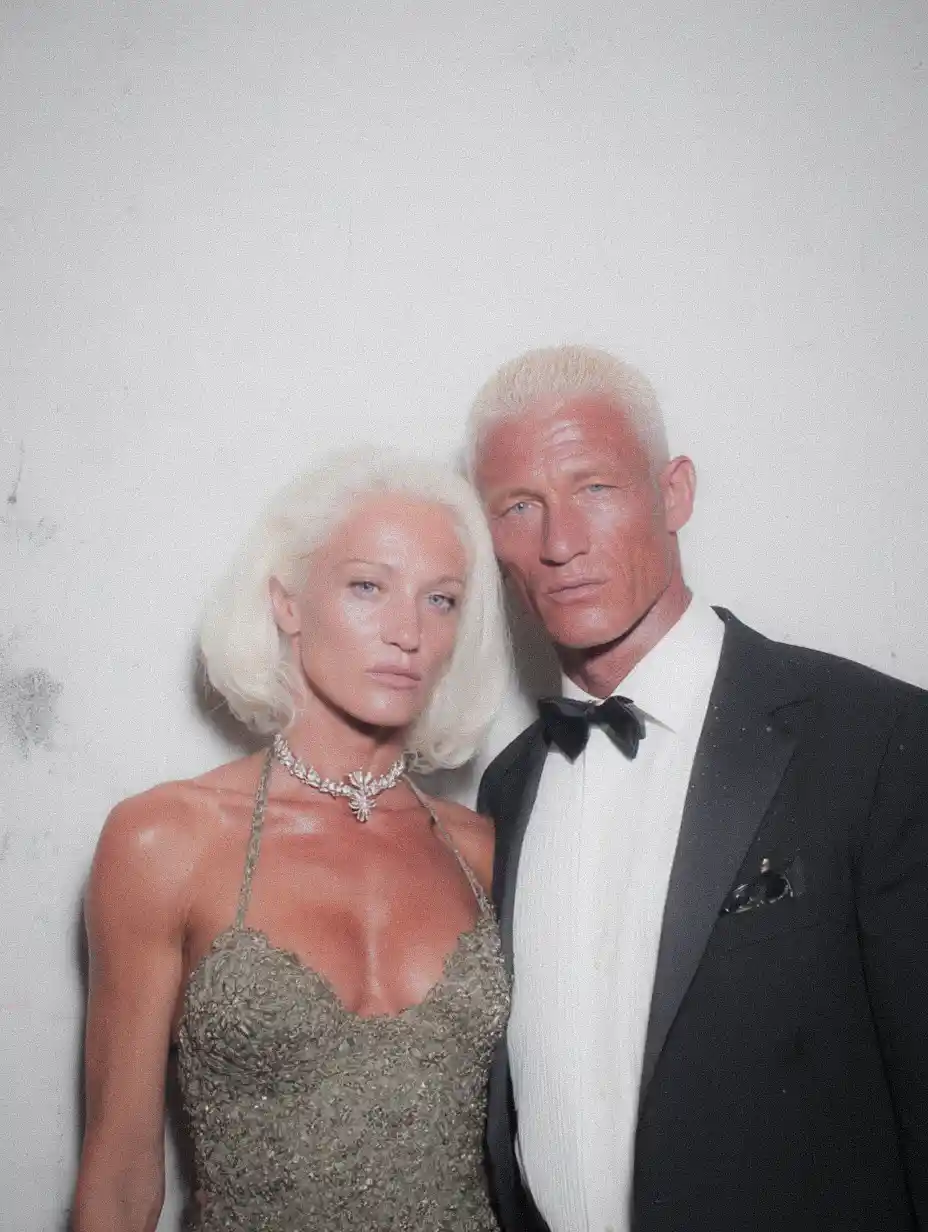
Designers have two jobs. To make good products and to tell stories. AI image generation and digital creation is such an exciting and almost addictive way to build a world and create a visual narrative. It allows you to explore a certain style or mood in ways that just would not be possible with traditional methods.
Previously my research would be limited to things that exist in physical or imagery, but now I can take that research and hone it into a more concise and exciting narrative. As to product AI can serve as an inspiration or starting point, but for now it’s not got a place in the making of actual garments. Perhaps that will come in time, but taste and skill are essentially human characteristics, and, I feel, will always be essential to the process.
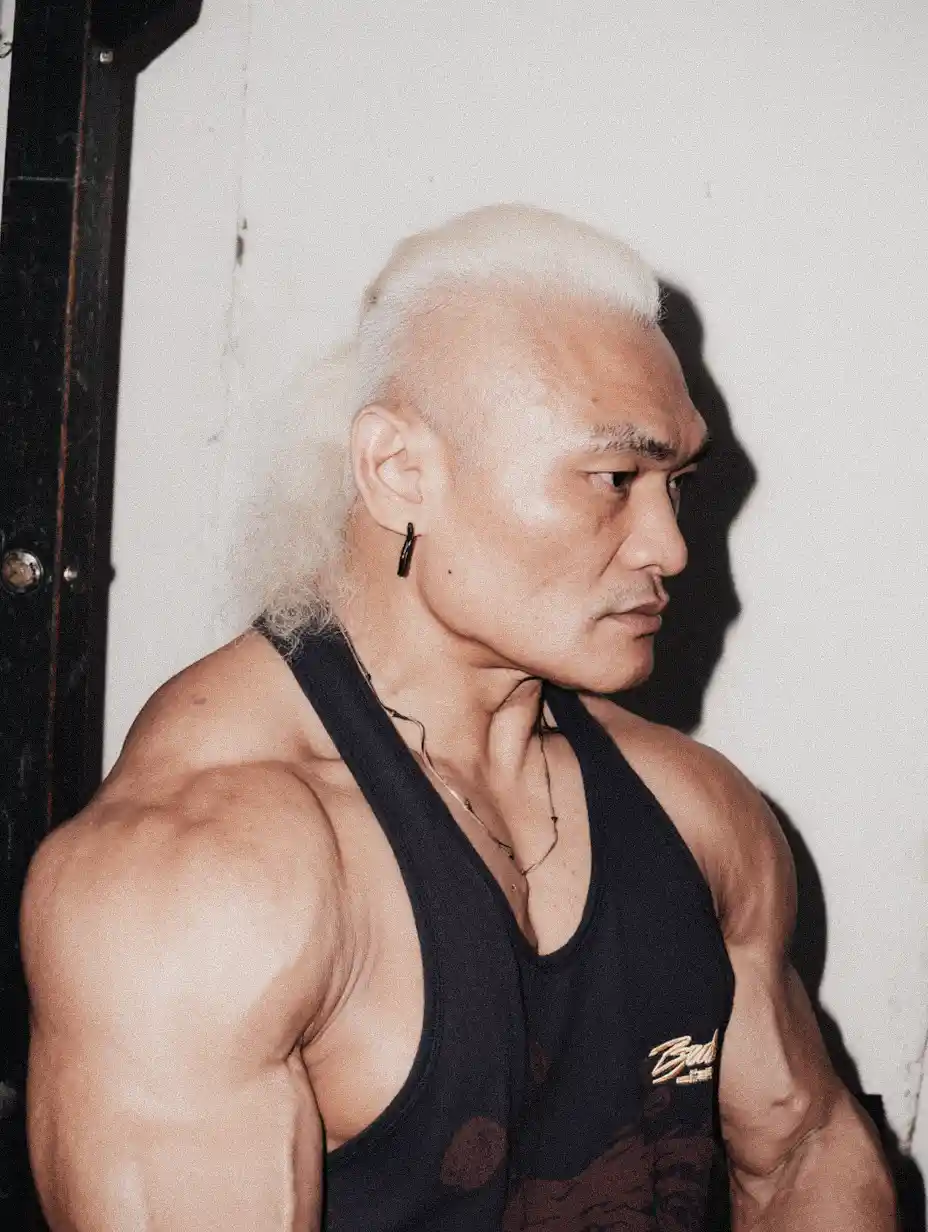
You emphasize the importance of research in your work. Can you elaborate on how the "Research, Research, Research" philosophy from Central Saint Martins informs your design process today?
I cannot imagine a design process without research. To sit down and design a collection ‘raw’ is a skill I certainly don’t possess and honestly feels like a very ‘Project Runway’ version of how designers work. At St. Martins research was a fundamental part of our learning process and seeing as I’ve pretty much only worked for CSM graduates over the last 20 years that’s always how I’ve worked. Apart from that influence I also want to tell stories and craft worlds. Without research and inspiration those narratives would be rather flat and lackluster.
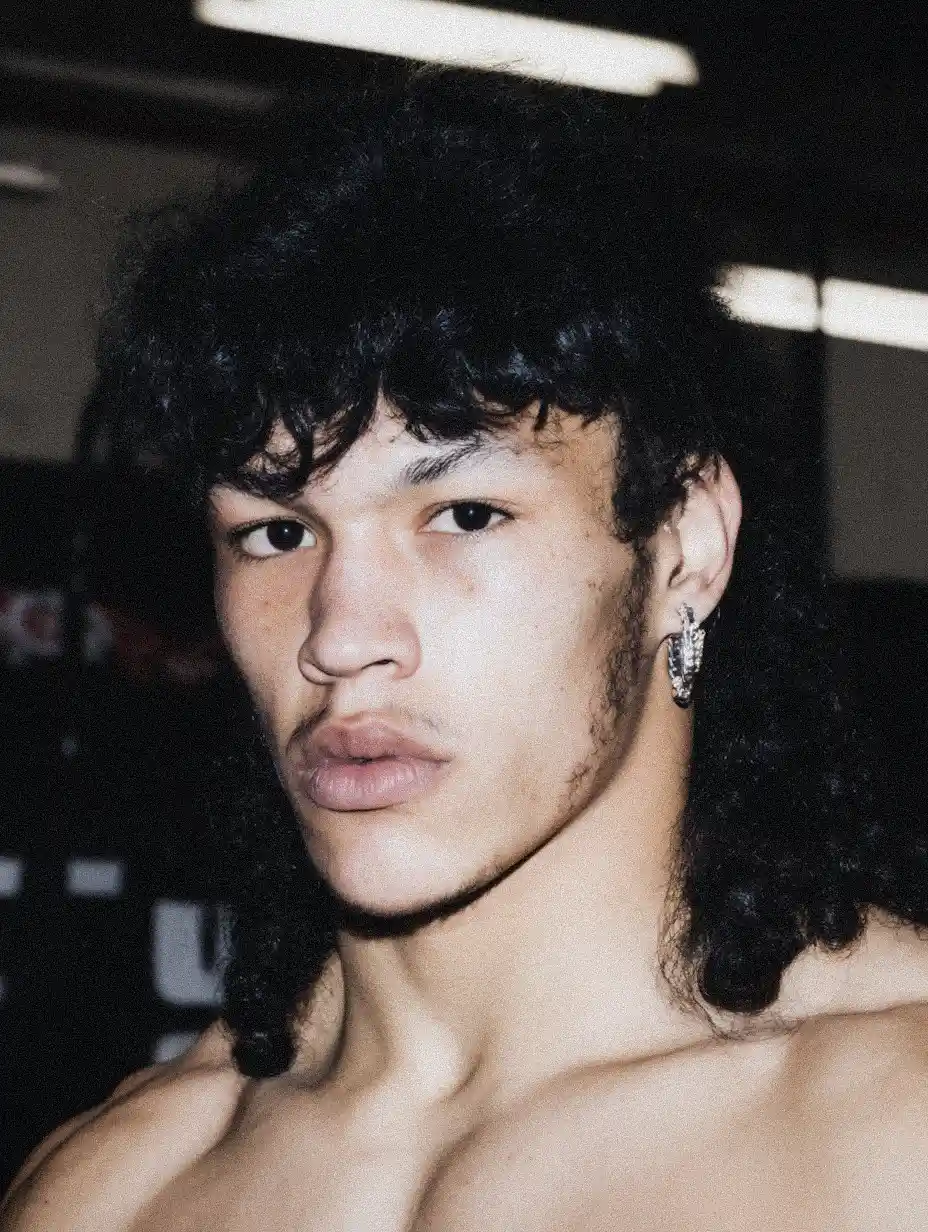
Your recent exploration of AI in art direction marks a shift in your creative process. What prompted you to integrate AI systems into your design proposals, and what do you hope to achieve through this technology?
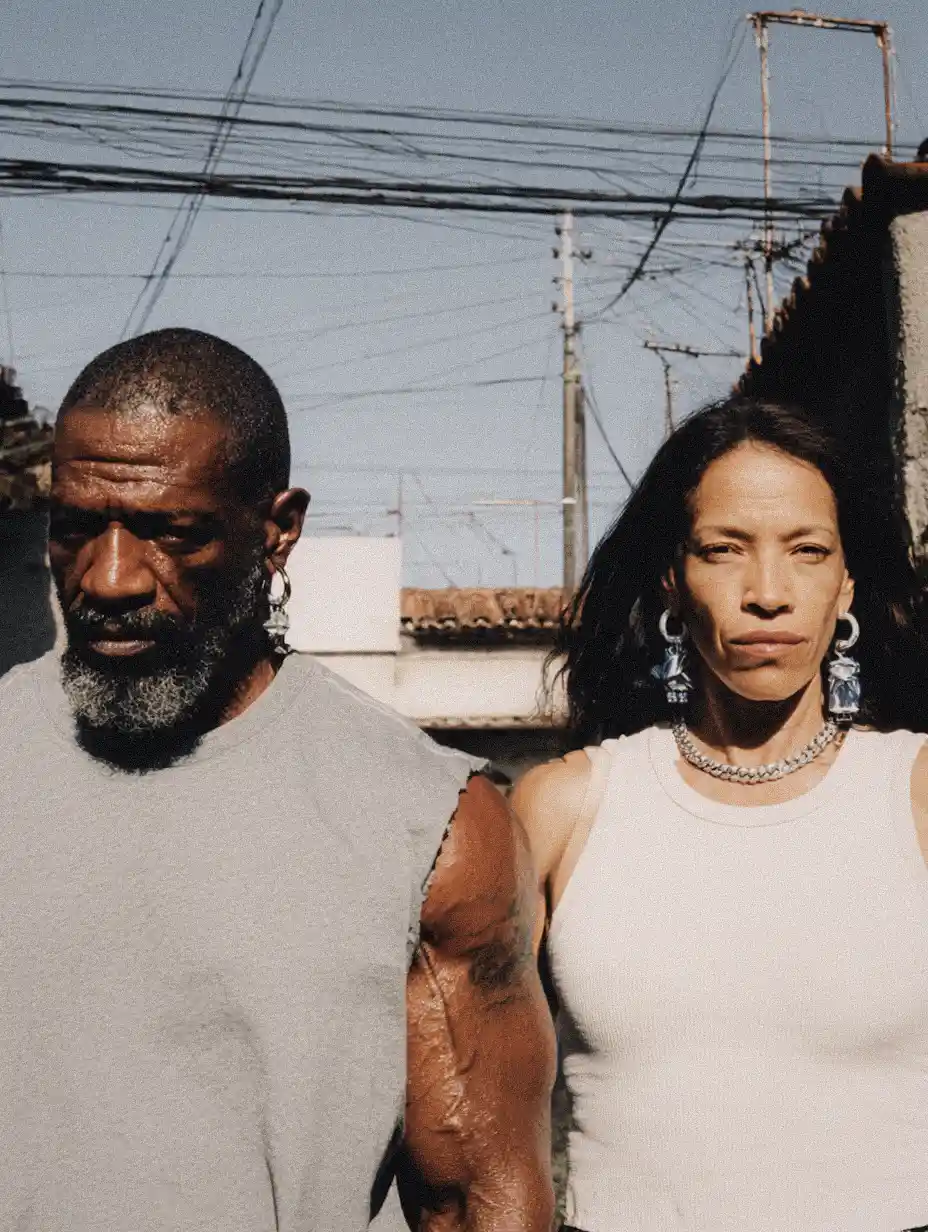
I’ve been working with AI image generation since 2022 and back then the results were fun but not useful in any meaningful way. But as interfaces developed it became an exciting way of exploring silhouettes. For me the sweet spot was early 2024. The systems were good enough to make images that looked beautiful, but they weren’t so good as to truly have a grasp on reality. Images were fantastical and bizarre, and I found them so exciting and inspiring. They allowed me to imagine silhouettes that would never have occurred to me and had a certain whimsy and fun to them.
Now I work in a very different way with different AI image generation and LLM systems, combining their particular strengths depending on the outcome I want. I’m not sure that I have any specific goals, I want to achieve them other than to enjoy myself and find out what the possibilities are. It’s a process I find fun and exciting and that’s all the justification I need.
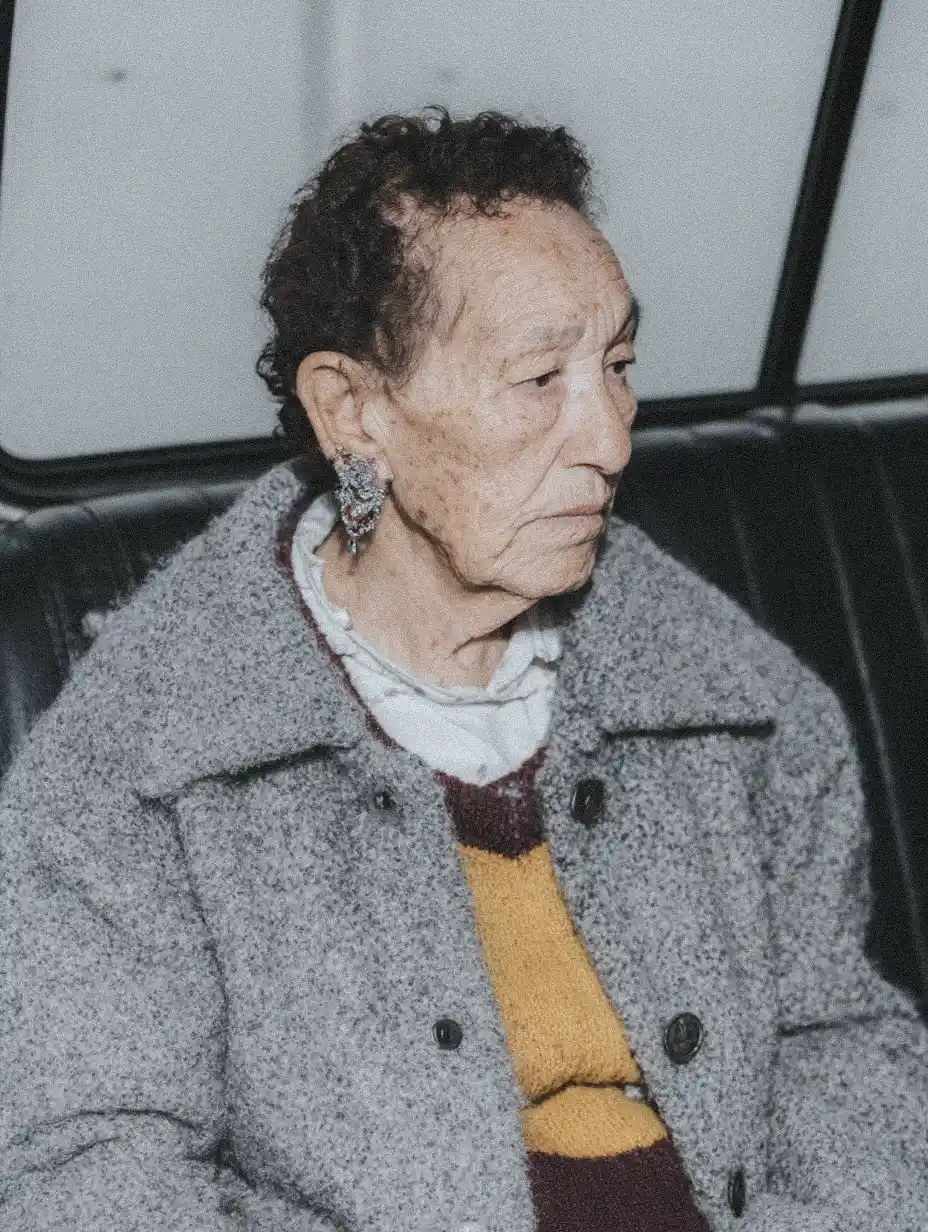
The personal AI projects you’re proposing have a powerful cultural identity. And for Nike in particular which is inspired by 17th-century clothing… Can you discuss the significance of this era in your design process and how you translate its characteristics into modern menswear?
There wasn’t a real reason for referencing the 17th century other than I thought it would be fun and produce a good result. I suppose one could say that it was a period in time in England where clothing became a little more streamlined and less decorative (for a time) and that that would lend itself well to a contemporary sportswear aesthetic. But really, it wasn’t (intentionally) that deep.
You also elaborate on AI-generated digital interiors, creating “ghosts of spaces that never existed.” How do you elaborate your research process before prompting?
I have been experimenting with creating worlds that have a consistent style language, and these images were part of those experiments. I’ve recently started working in a new image generation system that allows me to work in a new way where I can directly reference image mood boards and these allow me to expand the depth of the images I create while maintaining an essential visual style.
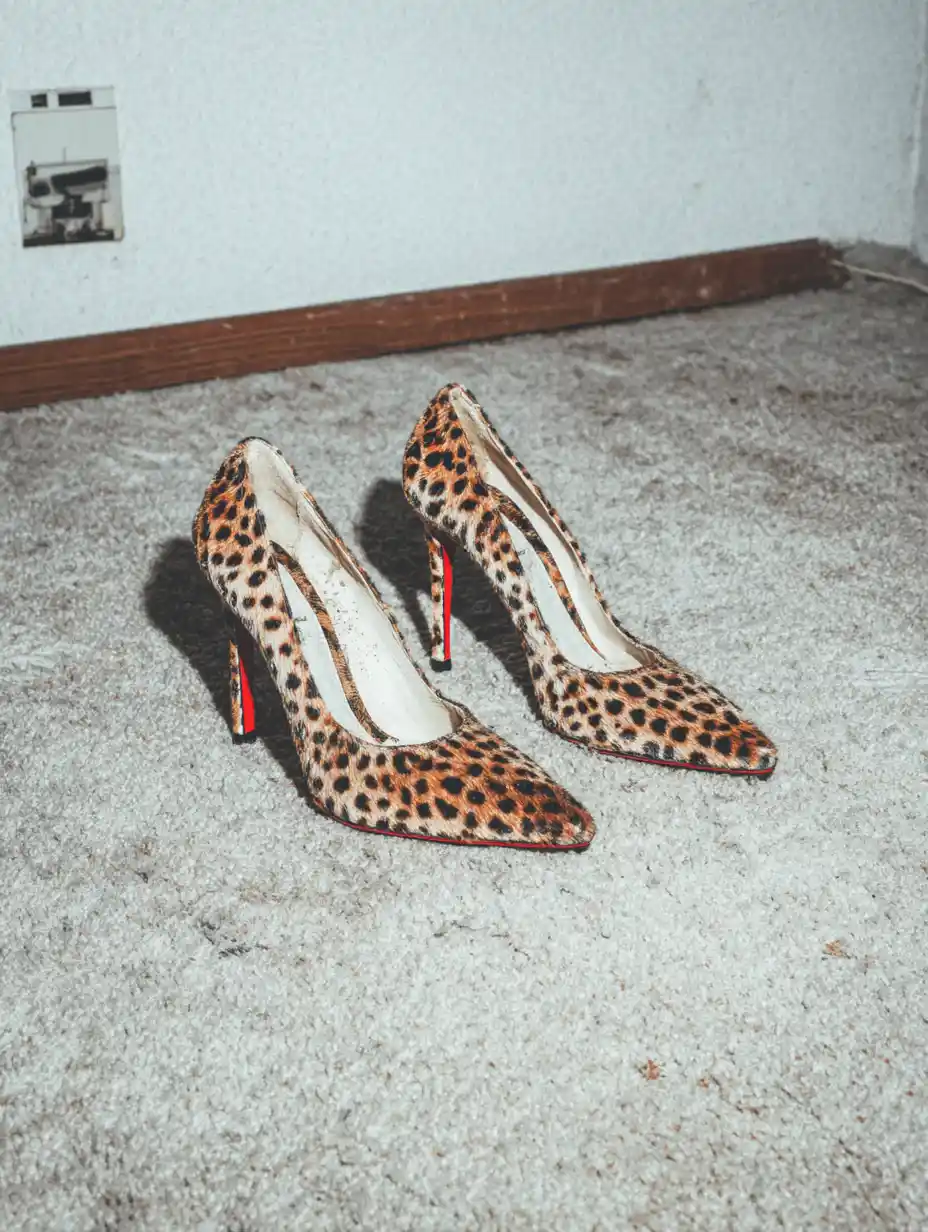
You've been exploring the connection between modern sportswear and medieval livery. How does this historical perspective influence your design process for current projects, and what are some specific elements you aim to capture?
I love fashion history. It’s pretty much always my first point of call for any collection and where I find so much inspiration and ideas. People do sometimes wonder how you can be inspired by the past but also push new technology. I don’t find the two mutually exclusive. The past is not something preserved in aspic, it has always been part of the cycle of inspiration and people in the past looked to the future as much as we do. To imagine that the past is a fixed and rigid thing is incorrect, it’s a tool to inspire and reinterpret. It allows us to see our world through a different lens, which perhaps is quite similar to image generation.
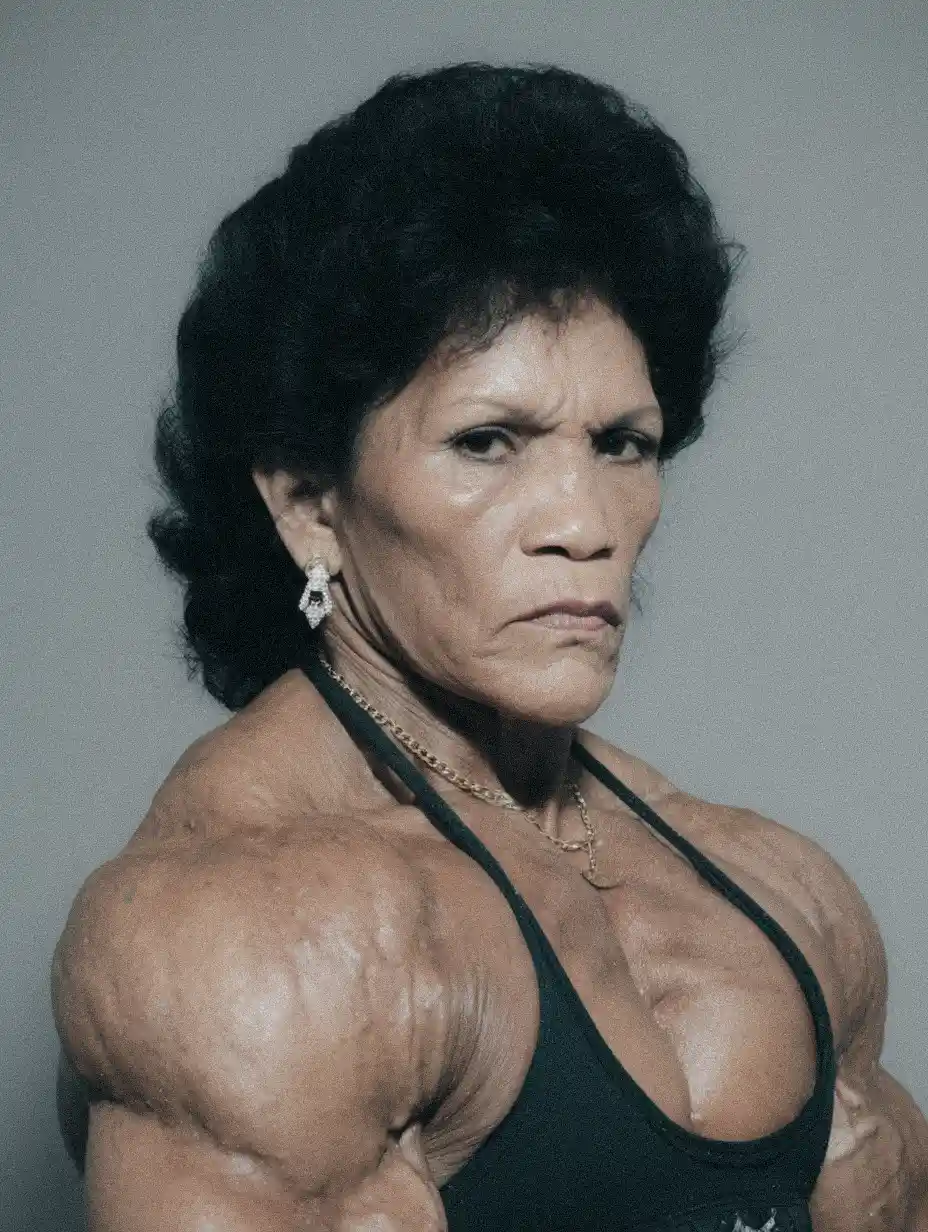
Creating a clear visual world through AI sounds intriguing. In what ways do you think AI enhances your ability to explore and design proposals that would be challenging through traditional methods?
It expands them exponentially. I can create anything I can imagine. With practice and taste I can then refine that process to build worlds. Yes, you could sketch, and of course I still do. However, by using image generation and LLMs I can do this much more quickly and use the ideas we create to inspire more sketches. There is a danger of falling into a continuous loop of inspiration and development, so you do need to know when you’ve reached your destination.
Can you share your thoughts on the relationship between craftsmanship and AI-generated designs? How do you balance the two in your projects to ensure a cohesive output?
I’m not sure that’s something I’ve quite resolved yet. Right now, they feel quite separate and I don’t know that they need to have a relationship, or at least a direct one. I’m talking in a larger sense, not within my own practice. As I’ve said to me, they feed each other, but when it comes to physical, practical craftsmanship I don’t feel they do relate.
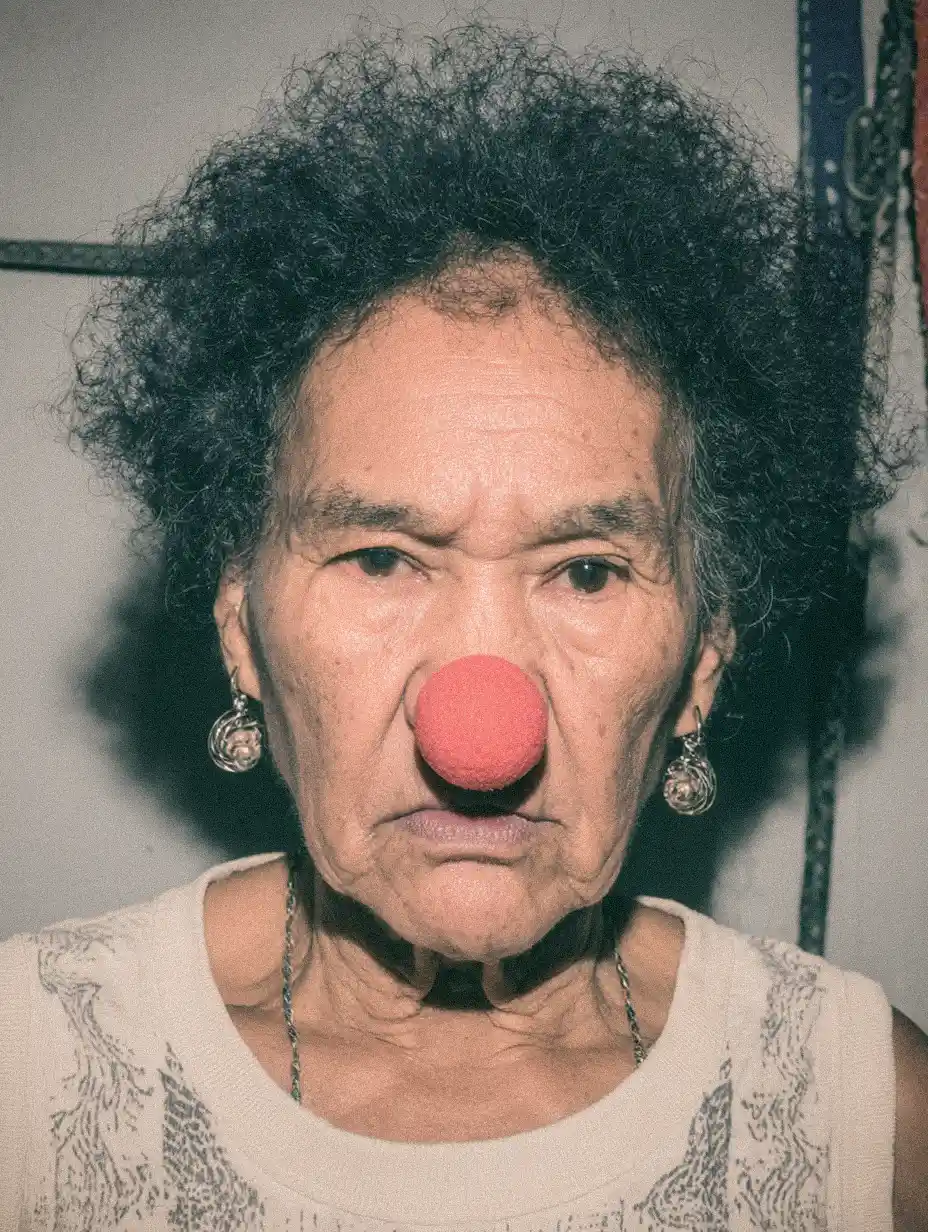
In your experience, how receptive is the fashion industry to the integration of AI in the design process? What challenges or opportunities have you encountered while navigating this new frontier?
Well fashion is notorious for being very slow to new ideas. Right now, there’s a lot of resistance. The large conglomerates have multiple concerns about IP infringements but are developing their own in-house systems. It’s coming slowly but surely.
The real opportunities aren’t within Design, more in comms, planning and distribution; finding ways to better address customer’s needs, streamline workflows and maximise production potential.
As you continue to experiment with AI, what are some future directions or themes you are excited to explore in your work? How do you see your creative vision evolving in this intersection of technology and fashion?
At the moment I’m enjoying exploring the lines between hyper realism and surrealism. Realism isn’t my concern when I am working for myself, for fun. I want to satisfy the vision I imagine.
Finally, what advice would you give to emerging designers looking to incorporate technology like AI into their artistic practice? What key insights have you gained from your own experiences?
Start now. Explore every possibility. Because if you aren’t someone else will be. Always take every opportunity to give yourself a leg up.
A note to your future self.
Well done. Keep going. Try harder.
Interview by @mirawanderlust