- Date
- 29 OCTOBER 2026
- Author
- ADRIANA VITA
- Image by
- @ADRIANAVITAOFFICIAL
- Categories
- Fashion
Sofia Coppola’s Marie Antoinette Exhibition at Versailles: 20 Years of Fashion and Film
Marie Antoinette never said “let them eat cake.” Twenty years ago, Sofia Coppola went further than correcting the myth: she portrayed the last queen of France as a teenager, living in a bubble and trying to fit in.
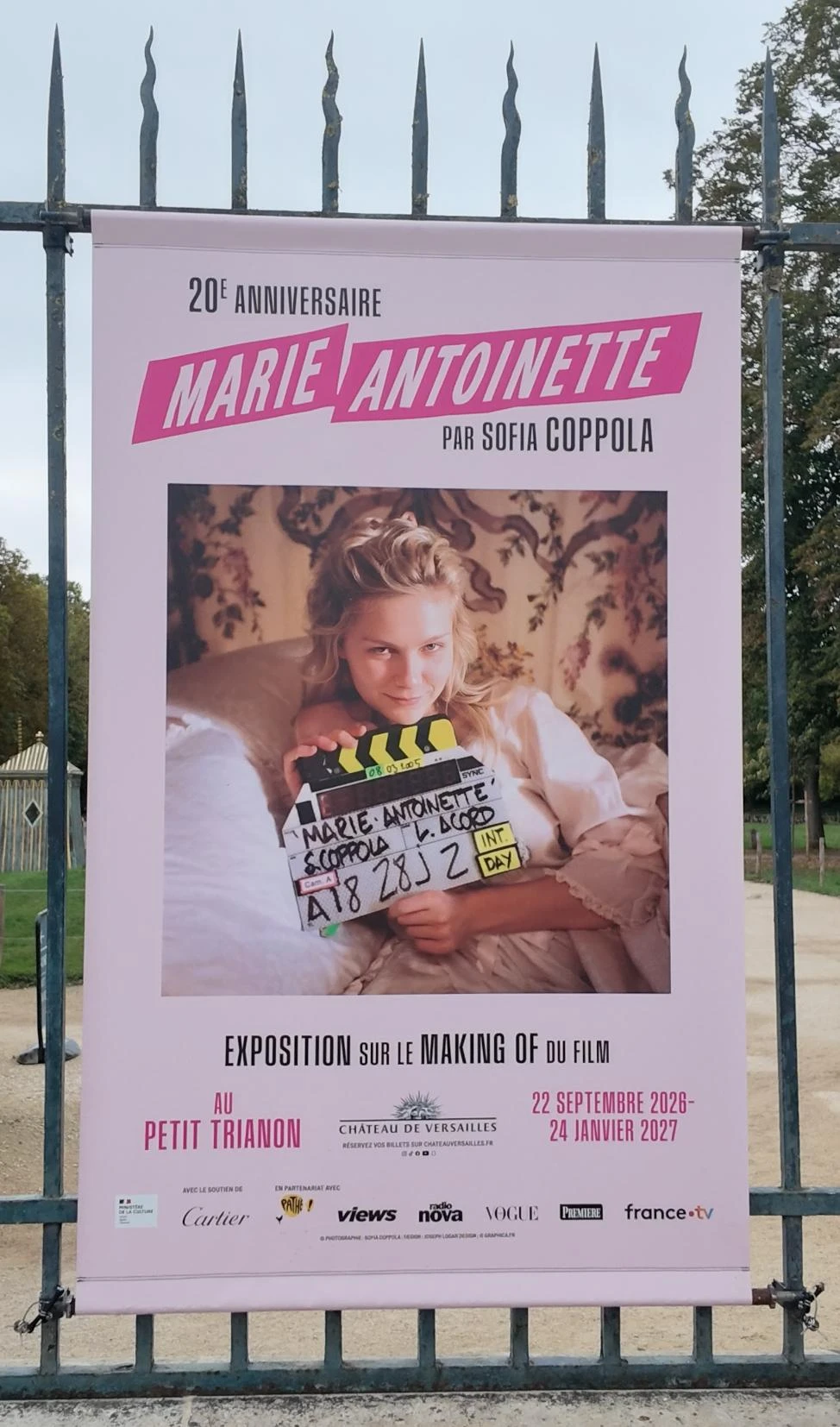
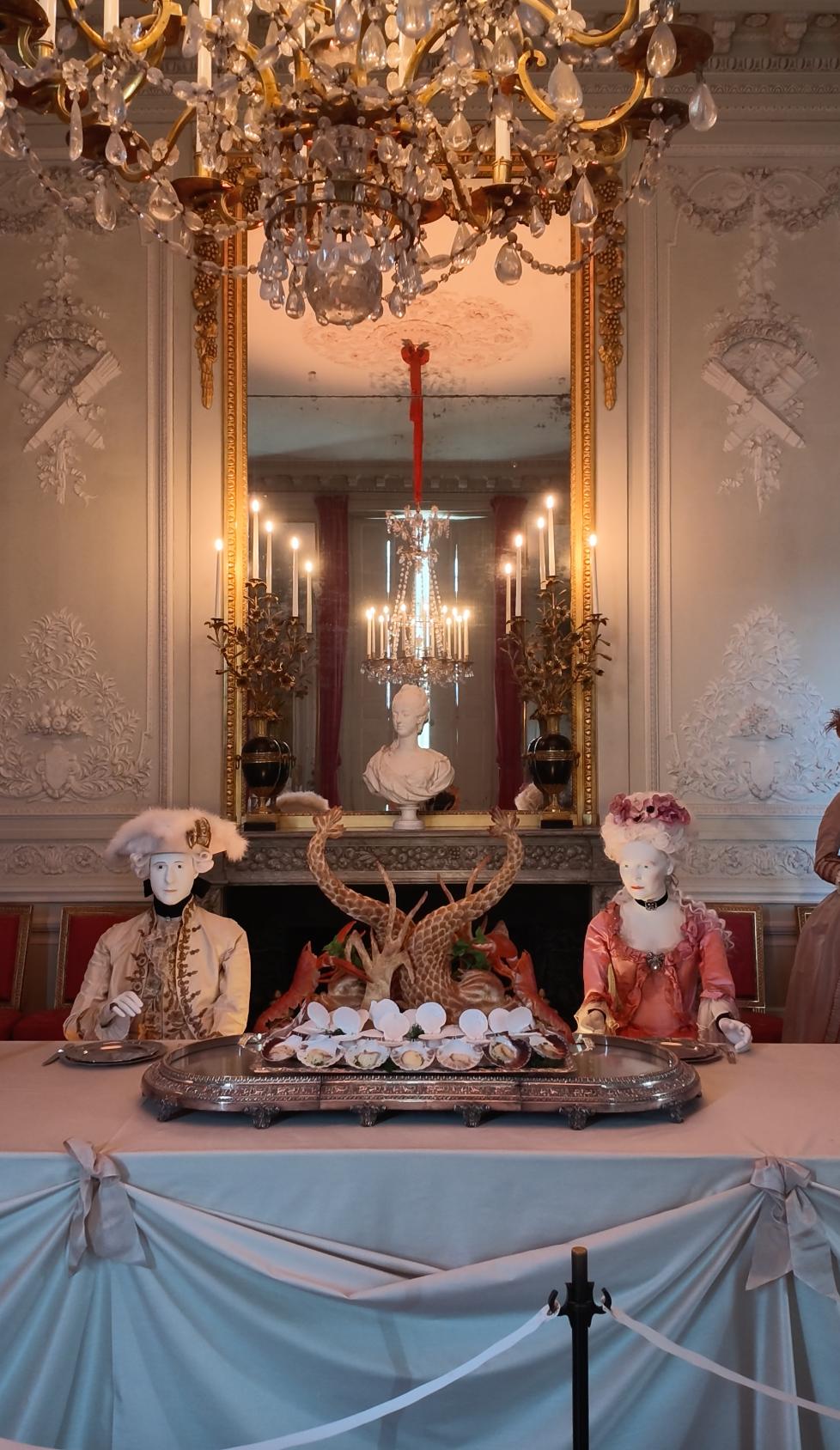
Now, the film has its own exhibition in the place where its story unfolded. Marie Antoinette by Sofia Coppola runs at the Petit Trianon in Versailles until 24 January 2027, conceived in collaboration with Coppola herself. RED-EYE went to discover how a film once dismissed by some critics became a defining reference for fashion, photography and design.
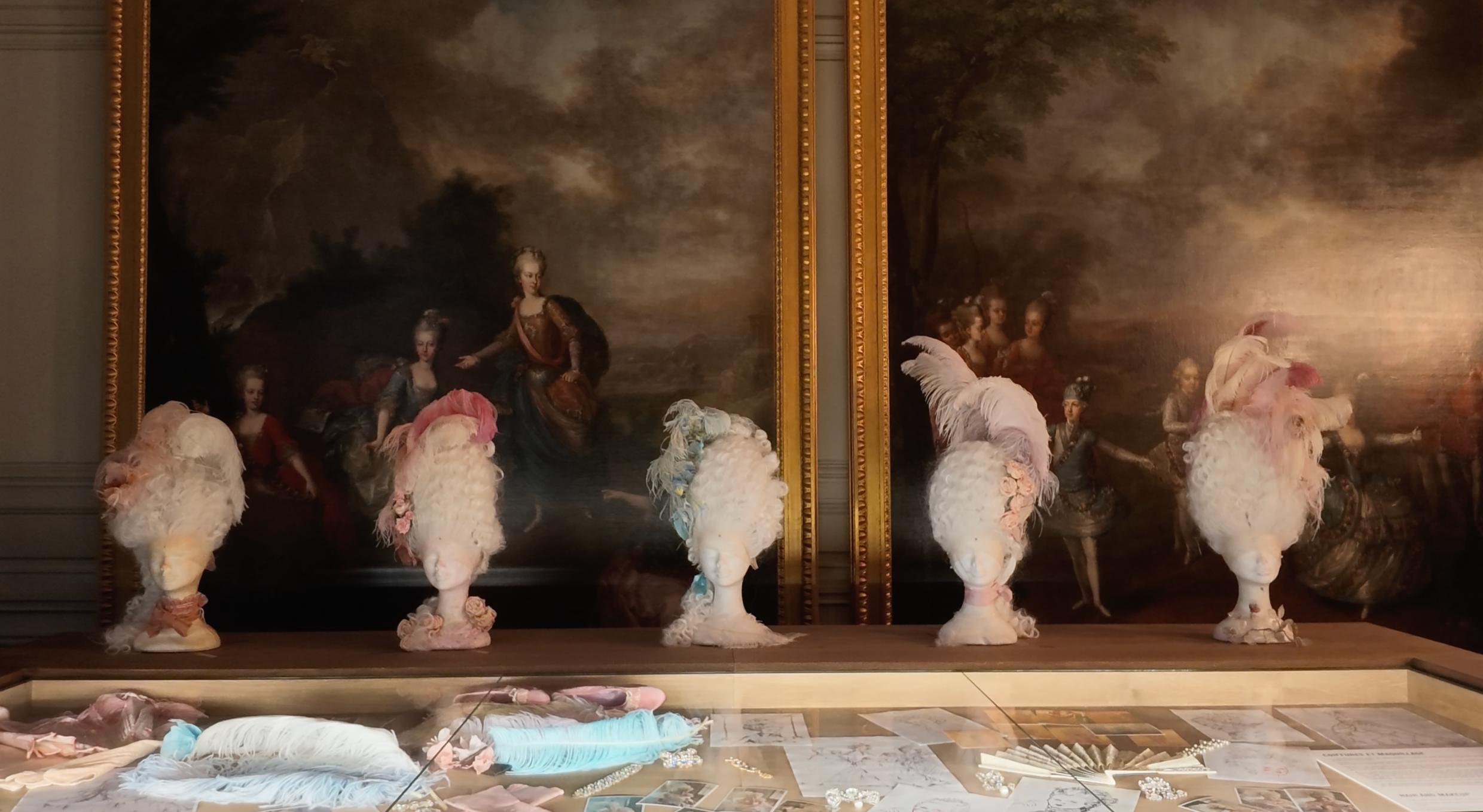
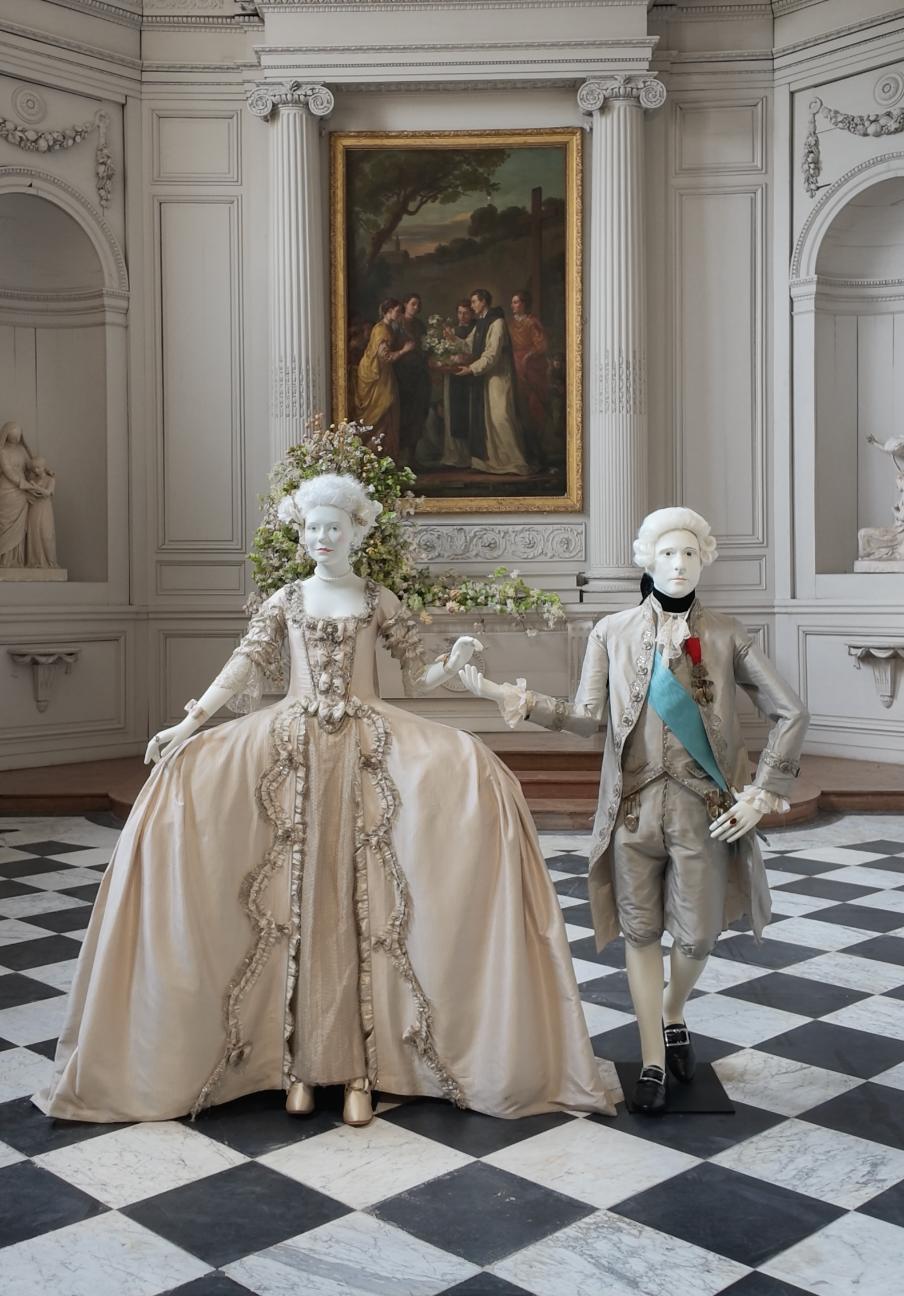
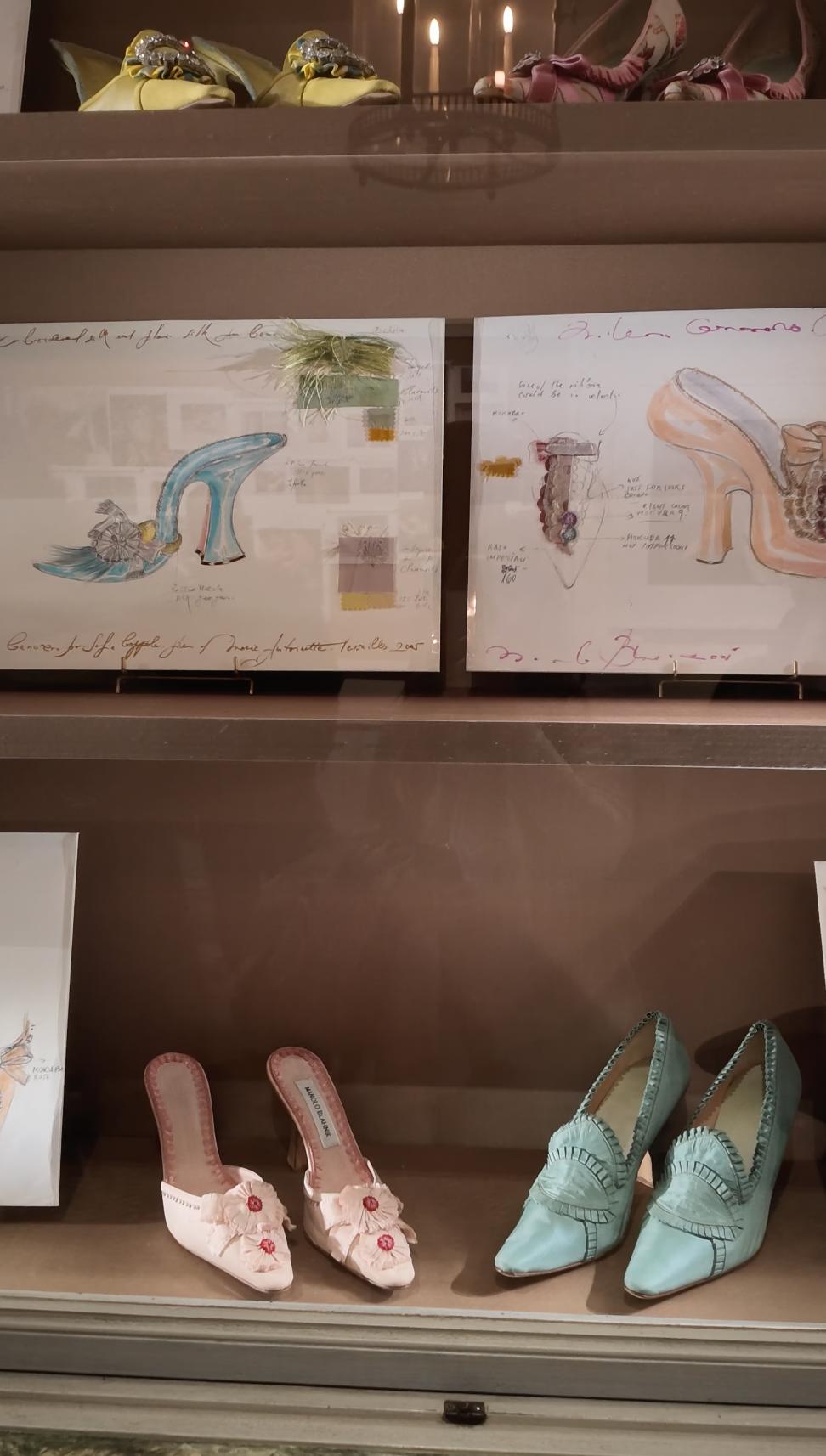
The first surprise is the detail. Up close, Milena Canonero’s Oscar-winning costumes reveal what the screen softened: the stitching, the layered silk and the colour work behind that famous pastel palette. The wigs read like architecture. Manolo Blahnik’s shoes sit at eye level, small and exact.
Then come the mood boards. Guy Bourdin, Helmut Newton, Kate Moss: Coppola’s references were editorial rather than historical. The opening scene plays like a fashion shoot, and once you see the reference board, you understand the visual language of the entire film.
Behind-the-scenes photographs reveal the scale of the production: a large crew, lights and cameras working inside one of Europe’s most delicate historic interiors. Annotated scripts and set sketches trace the decisions behind the finished film. Scenes are screened in the rooms where they were shot, allowing fiction and history to overlap before your eyes.
When Marie Antoinette was released in 2006, it met with mixed reactions. Critics wanted a historical portrait. Coppola never set out to make one.
Instead, she created a modern portrait of a girl growing up without support. Sent to a foreign court as a teenager, bound by strict etiquette and constantly observed, Marie Antoinette found an escape in indulgence: fashion, sweets, friends and music. “I Want Candy” plays throughout the exhibition, making the point more effectively than any wall text could.
Coppola saw little difference between the young queen and young women shopping in Beverly Hills today. That is why the film has aged so well. Like Marie Antoinette herself, it was judged by people asking the wrong question.
The Petit Trianon was Marie Antoinette’s refuge, a place where she could escape court life and spend time with her friends. Walking out into the gardens after the exhibition, the idea becomes tangible: neither a child nor a queen, she remains suspended in adolescence, balancing indulgence against an uncertain future.
She never truly left Versailles. Inside her bubble, she assumed that if she was happy, everyone outside was too. That blind spot is the tragedy, and Coppola renders it without judgement.
The past continues to inspire us because it was lived by people like us. That is what this exhibition reveals, and why it is worth the trip from Paris.
Visit the Marie Antoinette Exhibition at Versailles
Exhibition: Marie Antoinette by Sofia Coppola
Location: Petit Trianon, Estate of Trianon, Palace of Versailles, France
Dates: Until 24 January 2027
Admission: Included with the Passport or Estate of Trianon ticket
Opening hours: From 1 November 2026, open 12:00–17:30, closed Mondays.