- Date
- 29 JUNE 2026
- Author
- TAFARI HINDS
- Image by
- PRESS OFFICE
- Categories
- Interviews
Why PVBLIC Foundation Is Bringing Space Into the Creative Conversation
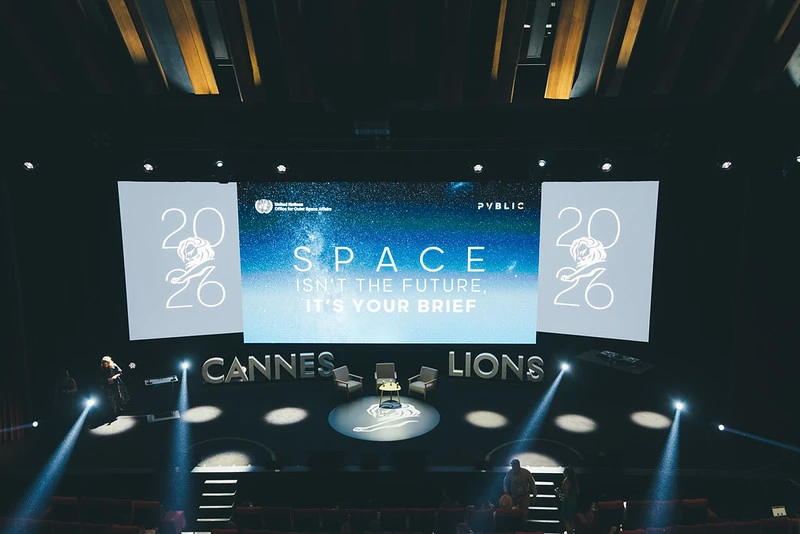
At Cannes Lions 2026, one of the festival’s most thought-provoking conversations wasn’t about AI, advertising or algorithms. It was about space. Through a landmark collaboration with the United Nations Office for Outer Space Affairs (UNOOSA), PVBLIC Foundation brought scientists, policymakers and astronauts to the world’s biggest creative festival to challenge one idea: space isn’t the future—it’s already part of our everyday lives. RED-EYE sat down with PVBLIC Foundation’s Founder and Executive Chairman, Sergio Fernández de Córdova, to understand why creativity may be one of the most important tools in shaping humanity’s next frontier.
Every year Cannes Lions becomes a snapshot of what the creative industries believe the future looks like.
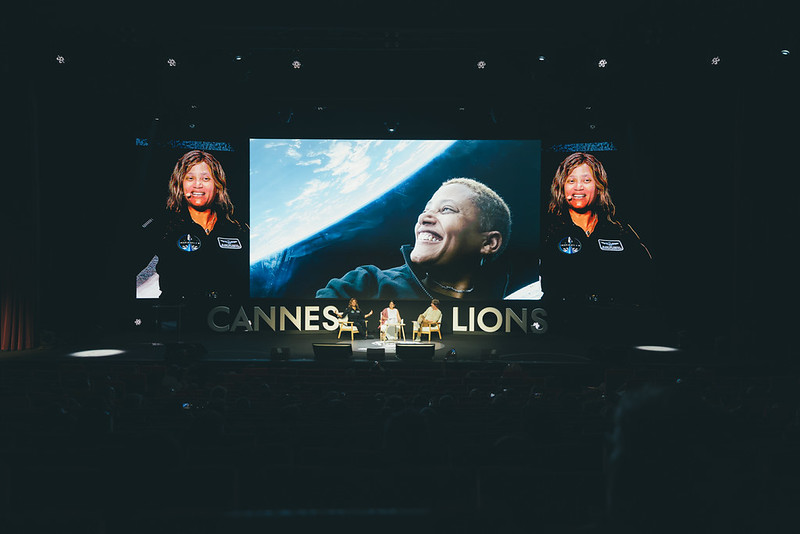
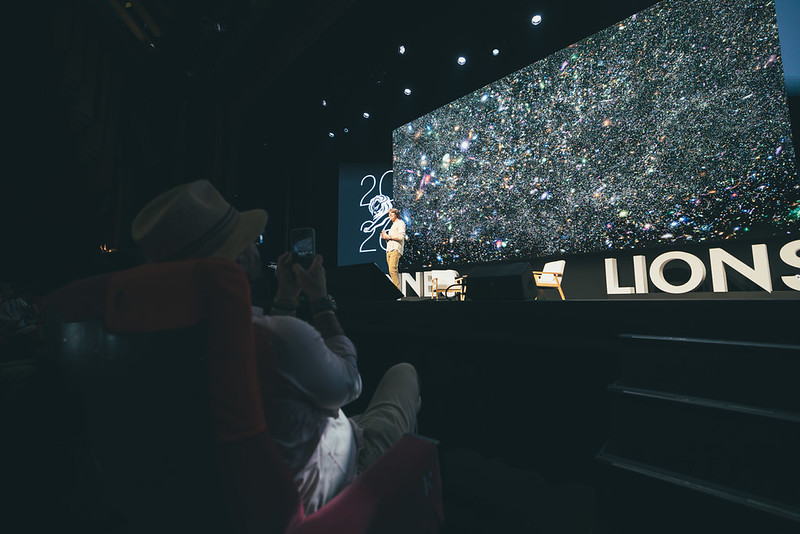
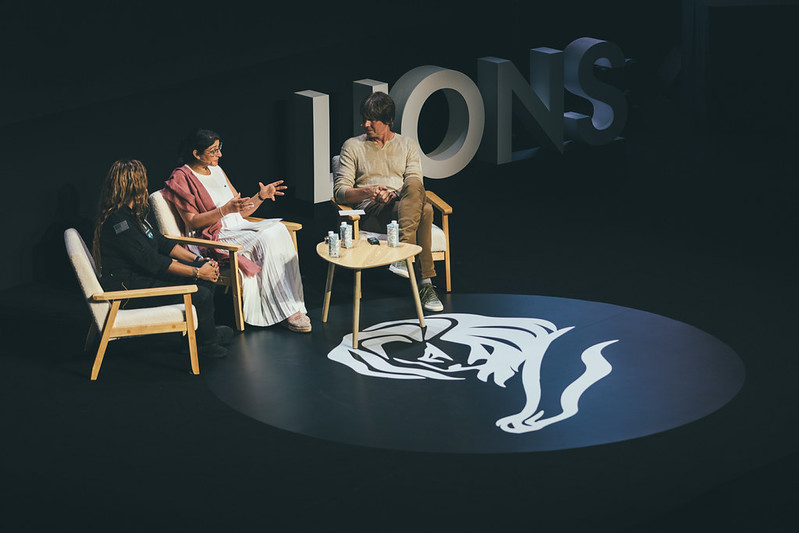
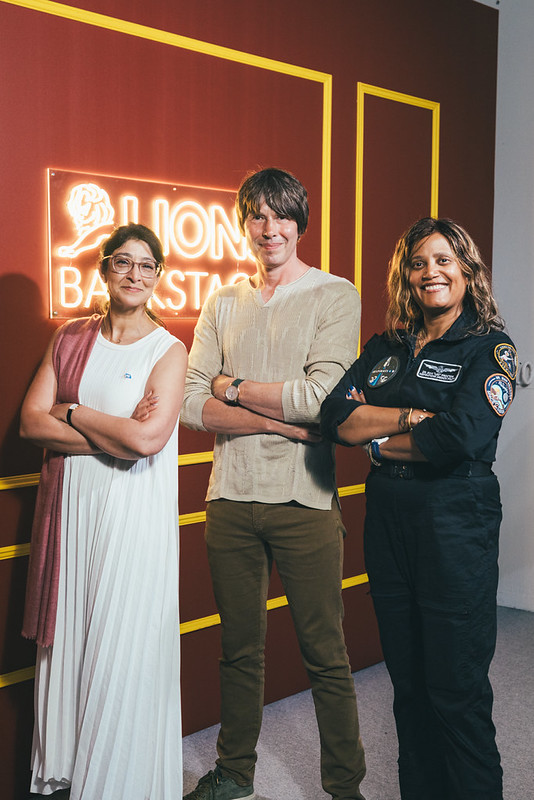
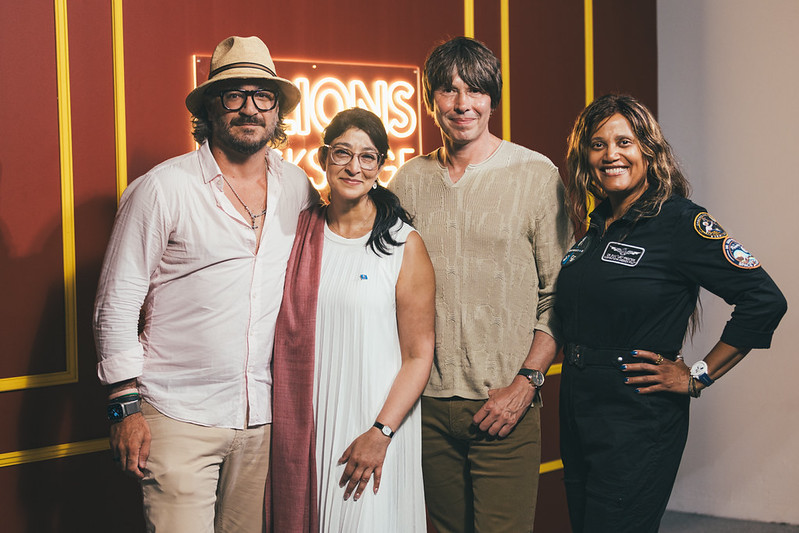
Artificial intelligence. New technologies. Luxury. Culture. Entertainment. Sustainability. The conversations evolve, but they almost always revolve around the same question: what’s next? This year, however, one session quietly shifted the narrative. Rather than presenting space as a distant frontier reserved for astronauts and billionaires, Space Isn’t the Future – It’s Your Brief invited creatives to see it differently. Organised by PVBLIC Foundation in partnership with the United Nations Office for Outer Space Affairs (UNOOSA), the discussion brought together Professor Brian Cox, United Nations Champion for Space, Aarti Holla-Maini, Director of UNOOSA, commercial astronaut and artist Dr. Sian Leo Proctor, and Sergio Fernández de Córdova, Founder and Executive Chairman of PVBLIC Foundation.
The message was simple but profound. Space already powers the systems we depend on every day. Navigation. Climate monitoring. Communications. Disaster response. Satellite imagery. Data. The infrastructure surrounding our daily lives is increasingly connected to what happens beyond Earth’s atmosphere.
The challenge is no longer technological. It’s cultural. How do we communicate this new reality? And what role do artists, designers, filmmakers, journalists and creative thinkers play in helping society understand it?
Those questions lie at the heart of PVBLIC Foundation’s mission.
Long before working alongside the United Nations, Sergio Fernández de Córdova was building media. After moving to the United States as a child, he launched his first newspaper at just twelve years old using a Commodore 64. It wasn’t simply a teenage business venture—it sparked a fascination with communication that would shape the rest of his career.
“I fell in love with the fact that I could create my own media,” he tells RED-EYE.
That fascination evolved rapidly. Over the following decades Sergio built and expanded multiple media companies before helping create one of the fastest-growing billboard businesses in the United States, raising more than half a billion dollars to transform outdoor advertising across major American cities. By most entrepreneurial standards, he had reached the summit. Yet success unexpectedly raised a different question.
“What do I do with this?” Rather than pursuing the next acquisition or larger valuation, Sergio found himself increasingly interested in impact. “I realised it wasn’t about standing on top of the mountain,” he explains. “It became about service.” That shift fundamentally changed how he viewed business. While many companies were beginning to discuss corporate responsibility, Sergio was already experimenting with what was then known as the “triple bottom line”—using media itself as a resource capable of creating measurable social change.
Instead of donating money alone, he began asking a different question. Could communication itself become a catalyst for transformation? Looking back, he believes that moment shaped everything that followed.
“Media became the new currency.”
For Sergio, communication wasn’t simply about telling stories.Stories influence perception. Perception influences policy. Policy influences systems. And systems ultimately shape how societies evolve.
One conversation proved particularly transformative. After years of building businesses, a close friend asked him a deceptively simple question:
“You’ve conquered this market. What’s next?”
At first the answer seemed obvious. Expand internationally. Grow further. Scale again.
But the question lingered. One morning, Sergio woke up with unusual clarity.
Rather than building another company, he decided to dismantle almost everything he had built and create something entirely different. PVBLIC Foundation.
Unlike a traditional business, the foundation would allow him to invest in ideas that didn’t yet have established markets or obvious financial returns.
“I wanted a vehicle that could bet on the future,” he explains.
Not simply future technologies. Future systems. Future governance. Future infrastructure. Future collaboration.
PVBLIC was designed to operate at the intersection of diplomacy, media, innovation and technology—bringing together governments, entrepreneurs, investors, creatives and international organisations to accelerate ideas capable of creating long-term impact. That philosophy still shapes every initiative the foundation undertakes today.
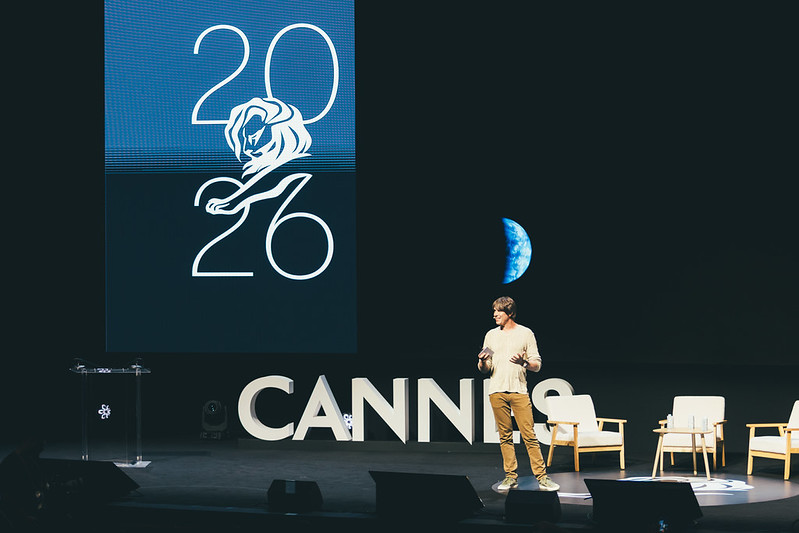
At first glance, space and Cannes Lions might appear to belong to different worlds. One speaks the language of science. The other speaks the language of creativity.
For Sergio, however, separating those worlds is precisely the problem.
“Creativity is how society understands change.”
If the world’s most influential communicators aren’t part of conversations about space, then public understanding will continue to lag behind technological progress. Throughout our conversation, Sergio repeatedly returned to one central idea.
Technology alone doesn’t transform society. People do. And people only engage with ideas they understand. That’s why bringing the conversation to Cannes mattered. Not because the advertising industry suddenly needs to become experts in orbital mechanics. But because storytellers shape public imagination. The narratives created today influence tomorrow’s priorities, investments and policies.
If creativity can help people imagine more sustainable futures, then creativity becomes part of the infrastructure itself. It’s no longer decoration. It’s participation.
Although this year’s Cannes Lions conversation centred on space, PVBLIC Foundation’s work stretches far beyond a single initiative. Over the past decade the organisation has developed programmes spanning education, health, sustainable development, technology transfer and entrepreneurship. One initiative supports sustainable fashion entrepreneurs through the Fashion Impact Fund, helping emerging designers build businesses that combine creativity with environmental responsibility.
Another focuses on global health, exploring how artificial intelligence and data can help create more personalised healthcare systems, particularly within underserved communities. Education remains another priority. Rather than simply funding existing structures, Sergio believes governments and institutions need entirely new operating systems capable of preparing future generations for rapidly changing technological realities.
Running through each project is the same underlying philosophy. Think systemically. Think long term. Think collaboratively.
Rather than working in isolated sectors, PVBLIC acts as a connector—bringing together expertise from governments, innovators, family offices, the United Nations and private industry to solve problems that no single organisation could tackle alone.
Perhaps the most surprising aspect of Sergio’s vision is that he rarely speaks about funding first. Instead, he talks about people. When asked how the wider public can support PVBLIC Foundation’s work, he doesn’t immediately ask for donations.
He asks for participation. Everyone, he believes, has something valuable to contribute.
“Everybody has a superpower.” For some, that may be scientific expertise. For others, design. Filmmaking. Writing. Communication. Data. Technology.
The future will not be built solely by engineers or policymakers. It will also be shaped by artists, journalists, strategists and storytellers capable of translating complex ideas into shared cultural understanding. That is ultimately why PVBLIC Foundation brought this conversation to Cannes Lions. Not simply to talk about space.
But to invite the creative industries into a conversation they will increasingly help define.Because if space is already woven into the infrastructure of our daily lives, then the next challenge isn’t reaching the future. It’s learning how to imagine it together.