- Date
- 05 MARCH 2026
- Author
- DANIEL FACE
- Image by
- LORENZA LIGUORI
- Categories
- Interviews
Inside the making of Maria Antonietta and Colombre’s “La Felicità e Basta” with Danilo Bubani & Lorenza Liguori
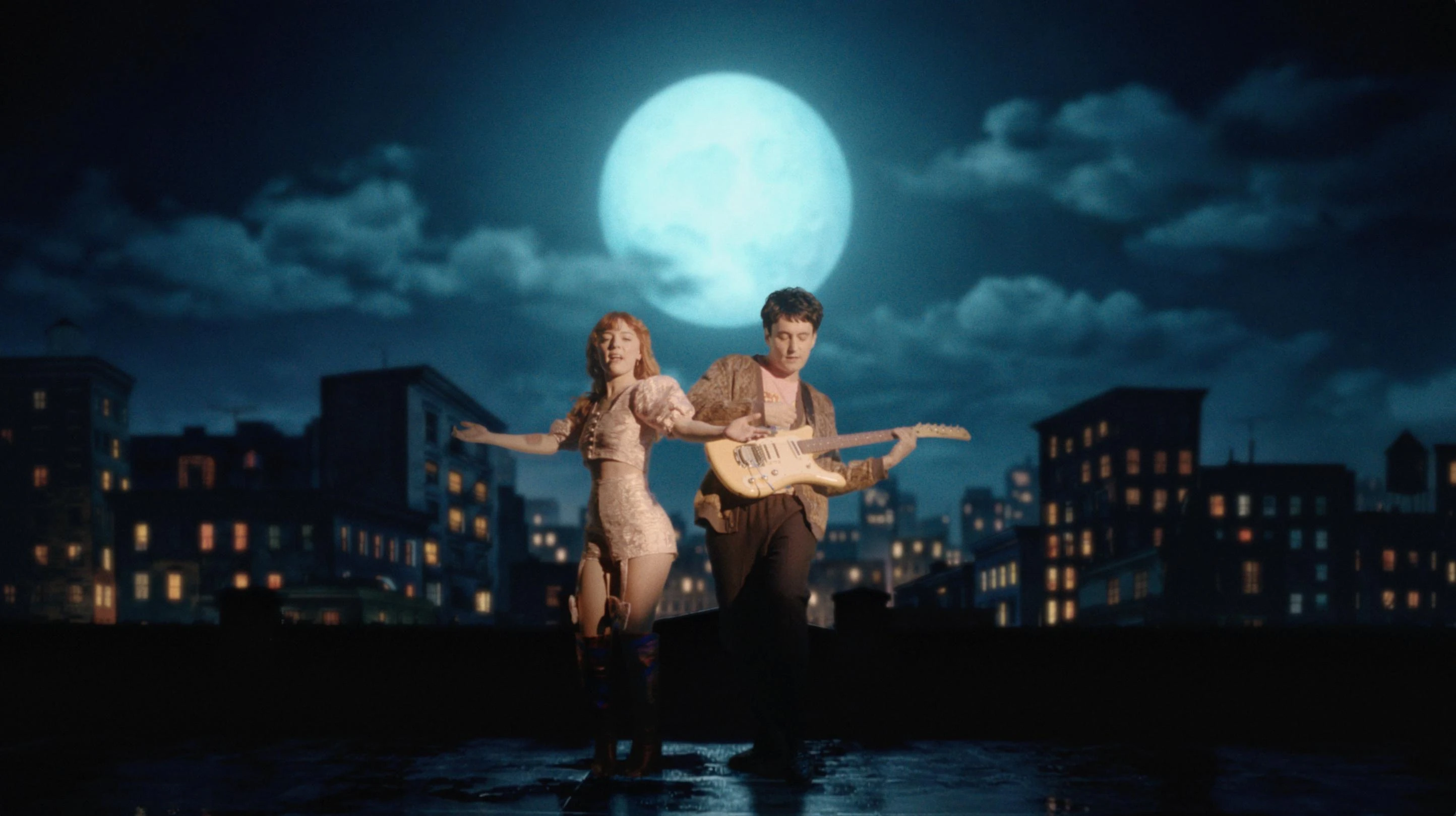
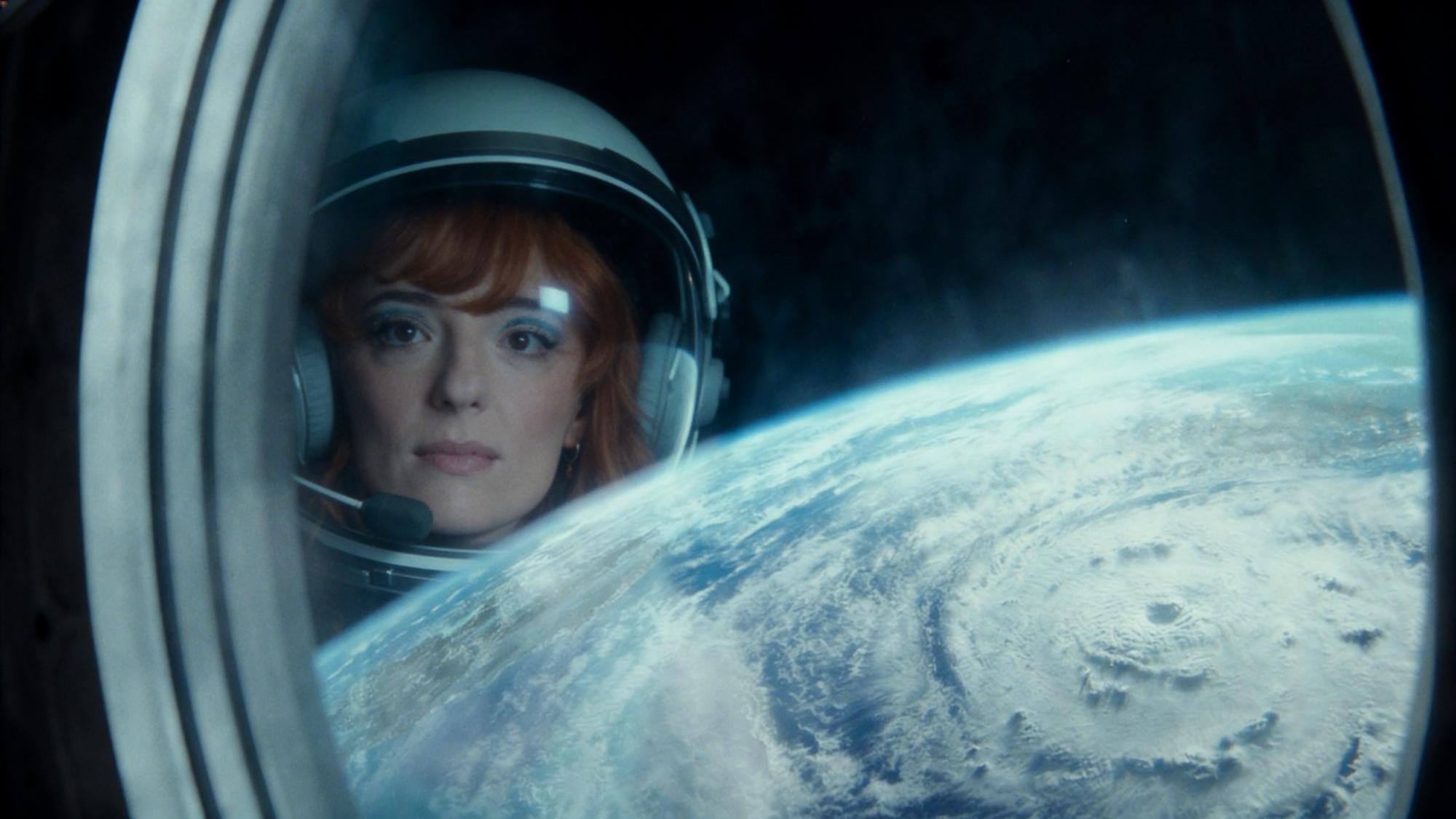
At first glance, the video for “La Felicità e Basta”—the collaboration between Maria Antonietta and Colombre presented during the Sanremo Music Festival—unfolds like a cinematic escape. Two protagonists move through dreamlike landscapes: a mysterious forest, distant cityscapes, and theatrical interiors that seem suspended somewhere between reality and fiction. What appears effortless on screen, however, is the result of a complex hybrid production combining live action, AI-generated environments, VFX integration and even stop-motion animation.
At the center of the project is AI artist and creative director Lorenza Liguori with Art Direction by Danilo Bubani, who approached artificial intelligence and mixied media techniques not as spectacle but as a tool to expand the emotional language of the music video. With production by Borotalco TV and creative studio Happy Centro with Supercinema, they developed the video in close dialogue with the artists, the visual world emerged directly from the heart of the song: the idea of escape, of leaving everything behind in search of a fragile and possible happiness.
Rather than foregrounding the technology itself, the project pushes AI toward realism and narrative immersion, allowing different production techniques to coexist within a single cinematic flow.
Below, Lorenza & Danilo speak to RED-EYE about the hybrid workflow behind the video, the role of AI in contemporary image-making, and why transparency in the creative process matters more than ever. Read the full interview below.
“La Felicità e Basta” was created for Maria Antonietta and Colombre’s official Sanremo entry.
How did the collaboration with the artists shape the visual direction? Were they directly involved in the AI experimentation and aesthetic decisions, or did you present them with a finished visual world?
We started from the heart of the song and from the message that Maria Antonietta and Colombre wanted to convey, the idea of escape, of leaving together toward a possible happiness, far away from everything. From there we built, step by step, an aesthetic and narrative structure capable of giving visual form to that emotional tension.
The collaboration with the artists was an ongoing dialogue. We did not present them with a closed and fully finalized visual world, but instead shared suggestions, references, and creative directions from the earliest stages. Artificial intelligence, along with other tools, played a fundamental role in this process, not only as a technology but as a way to expand imagination and move beyond
traditional production limits.
Thanks to AI we were able to translate everything the song evoked into images. It teleported us to Tokyo, immersed us in a fantastical forest, and carried us into a suspended and theatrical atmosphere inspired by the abandoned theater scene from Phantom Thread. Each environment emerged from the desire to strengthen the narrative and amplify its sense of escape and wonder.
The artists were fully involved in the process and enthusiastically embraced the opportunity to explore new visual territories. The creative power of AI, combined with a conscious artistic direction, allowed us to transform imagination into tangible images.
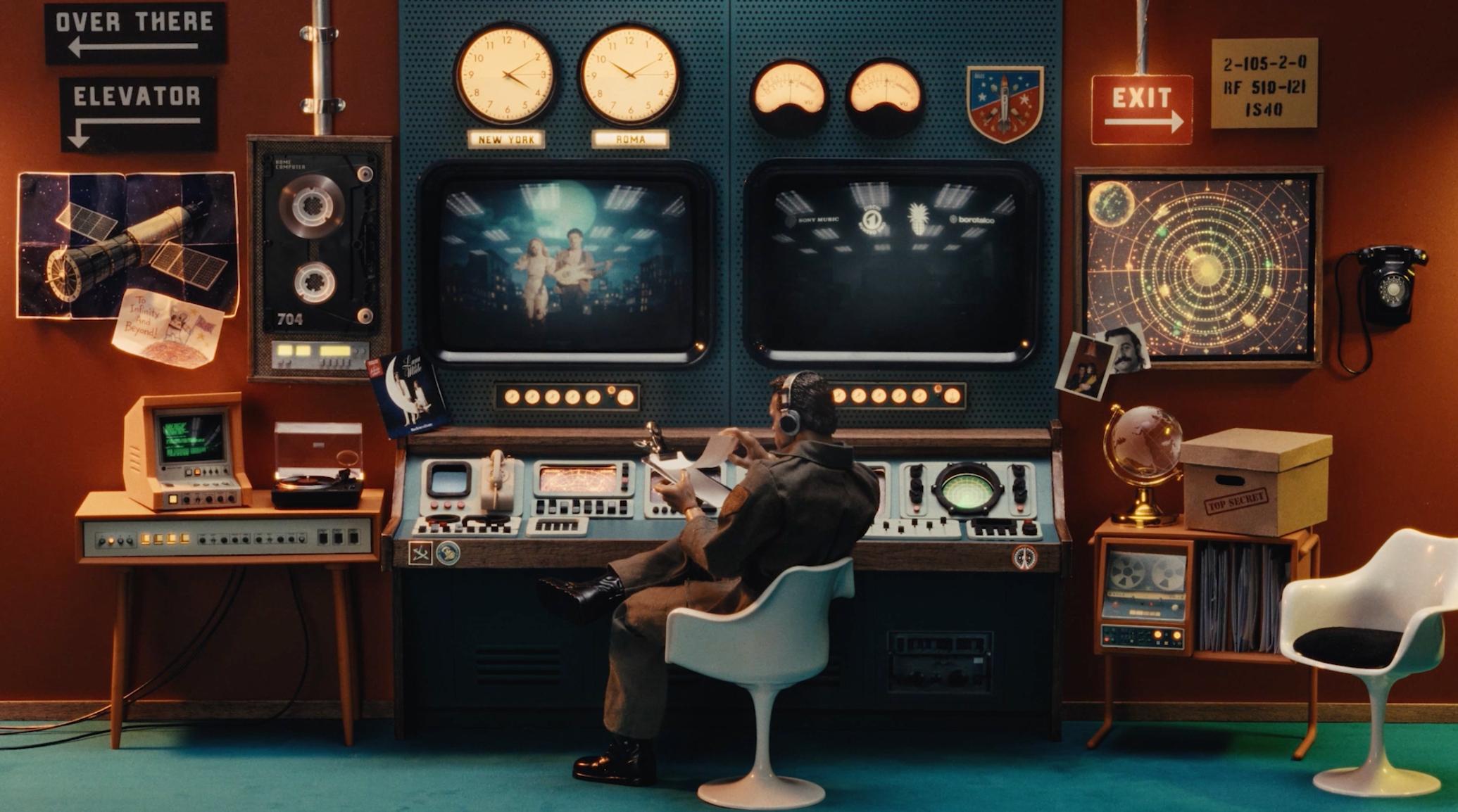
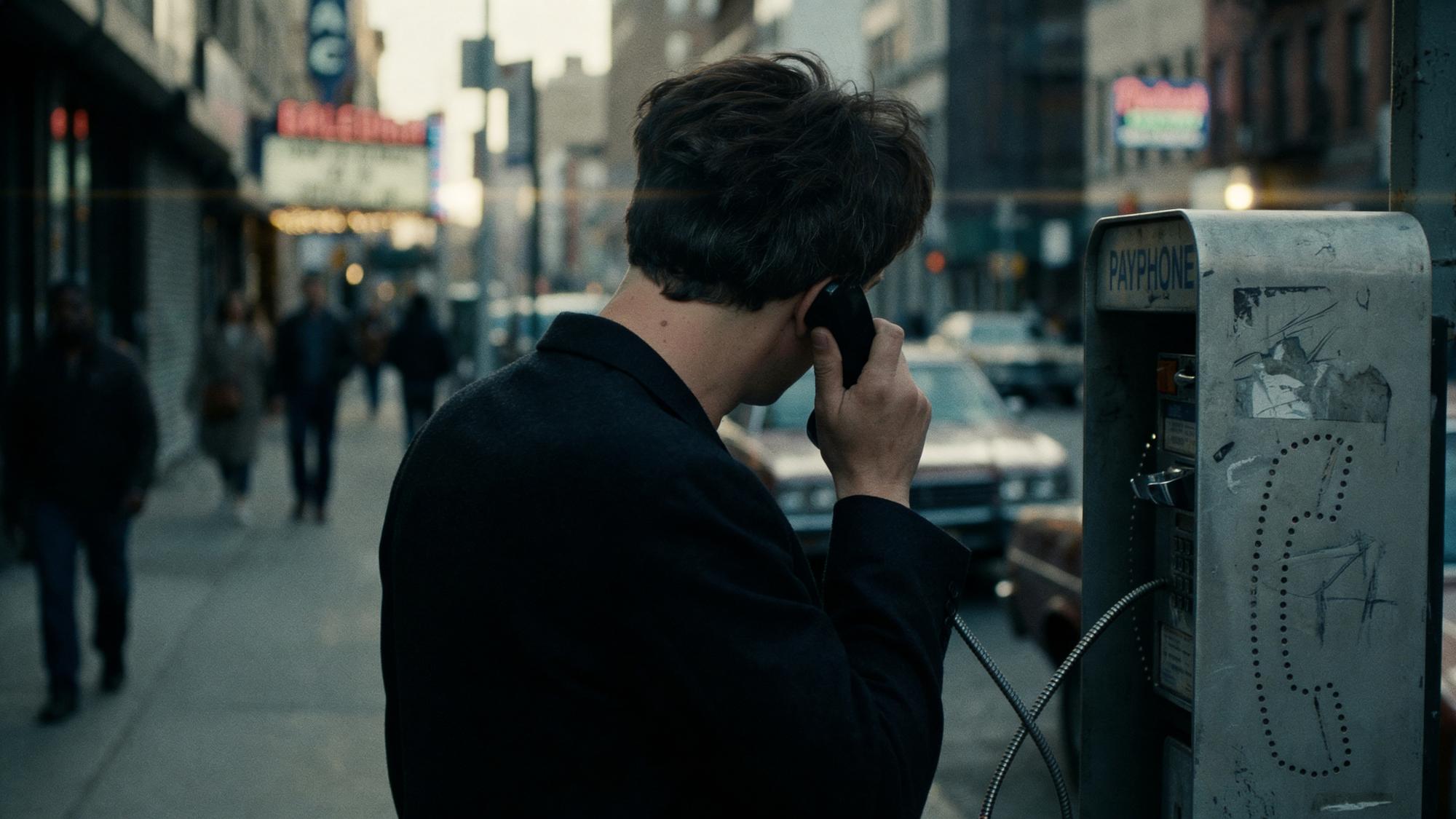
The project combines live action, fully AI-generated scenes, VFX integrations, and even stop motion. How did you technically structure this hybrid workflow? Was AI used as a pre-visualization tool, a production shortcut, or as a core narrative language from the very beginning?
The greatest challenge of the project was integrating such different languages, live action, fully AI generated sequences, VFX, and even stop motion, without the result feeling fragmented. The goal was not simply to juxtapose different techniques, but to make them coexist within a coherent narrative vision.
To achieve this we assembled a diverse team made up of professionals with different skills and sensibilities. Bringing together people who speak different technical and creative languages was
complex, but also extremely stimulating. This continuous exchange led us to develop a tailored workflow capable of connecting different tools and pipelines into a fluid and structured process.
This hybrid and layered workflow gave the video a stratified aesthetic and a richer narrative, where each technique finds its own expressive space. It is a method that allowed us to experiment with new forms of collaboration and that we intend to further develop in future projects.
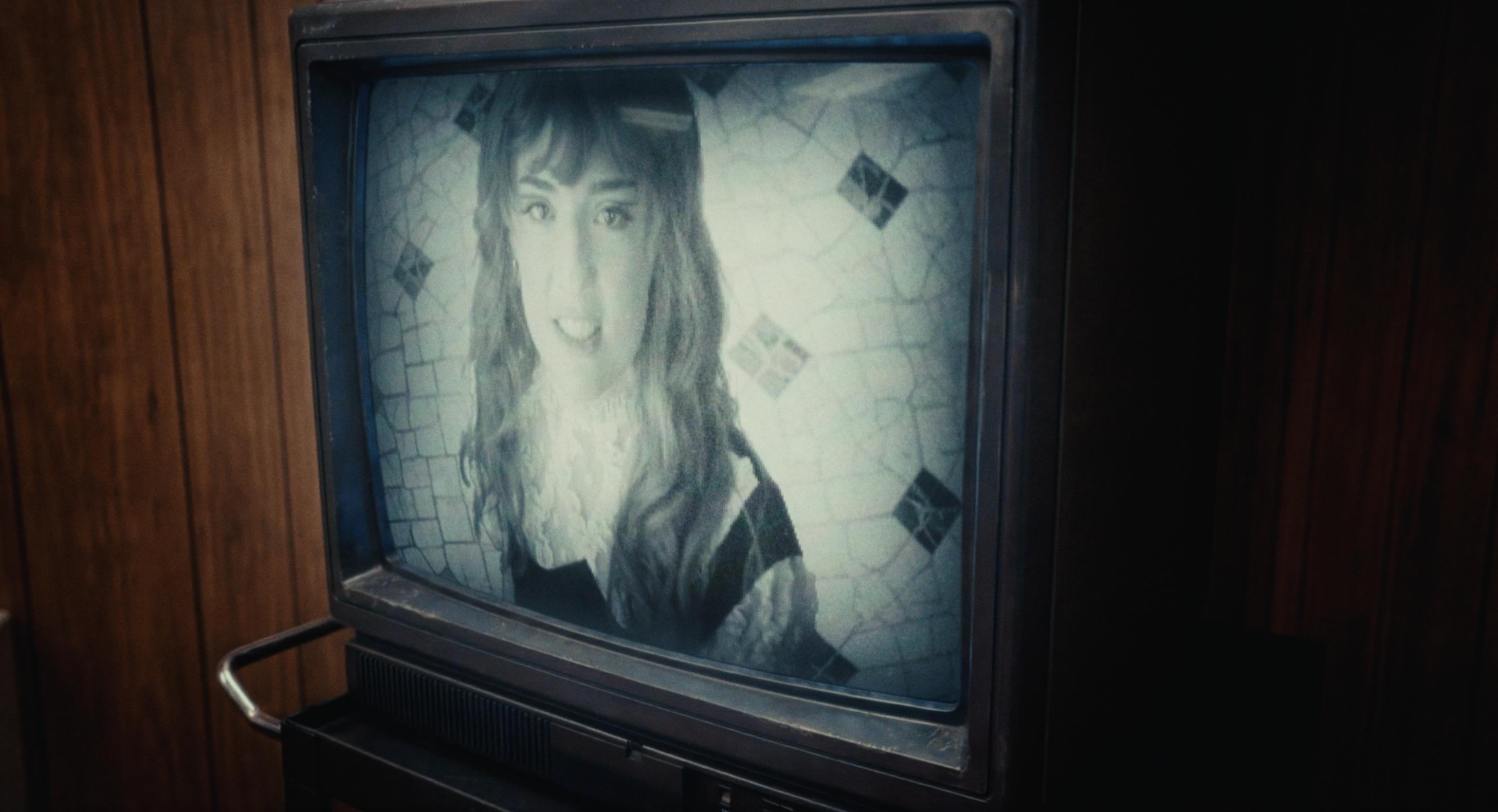
Many viewers didn’t perceive the difference between real footage and AI-generated environments. Was that seamlessness a deliberate artistic statement about contemporary image culture, or more of a technical challenge you wanted to overcome?
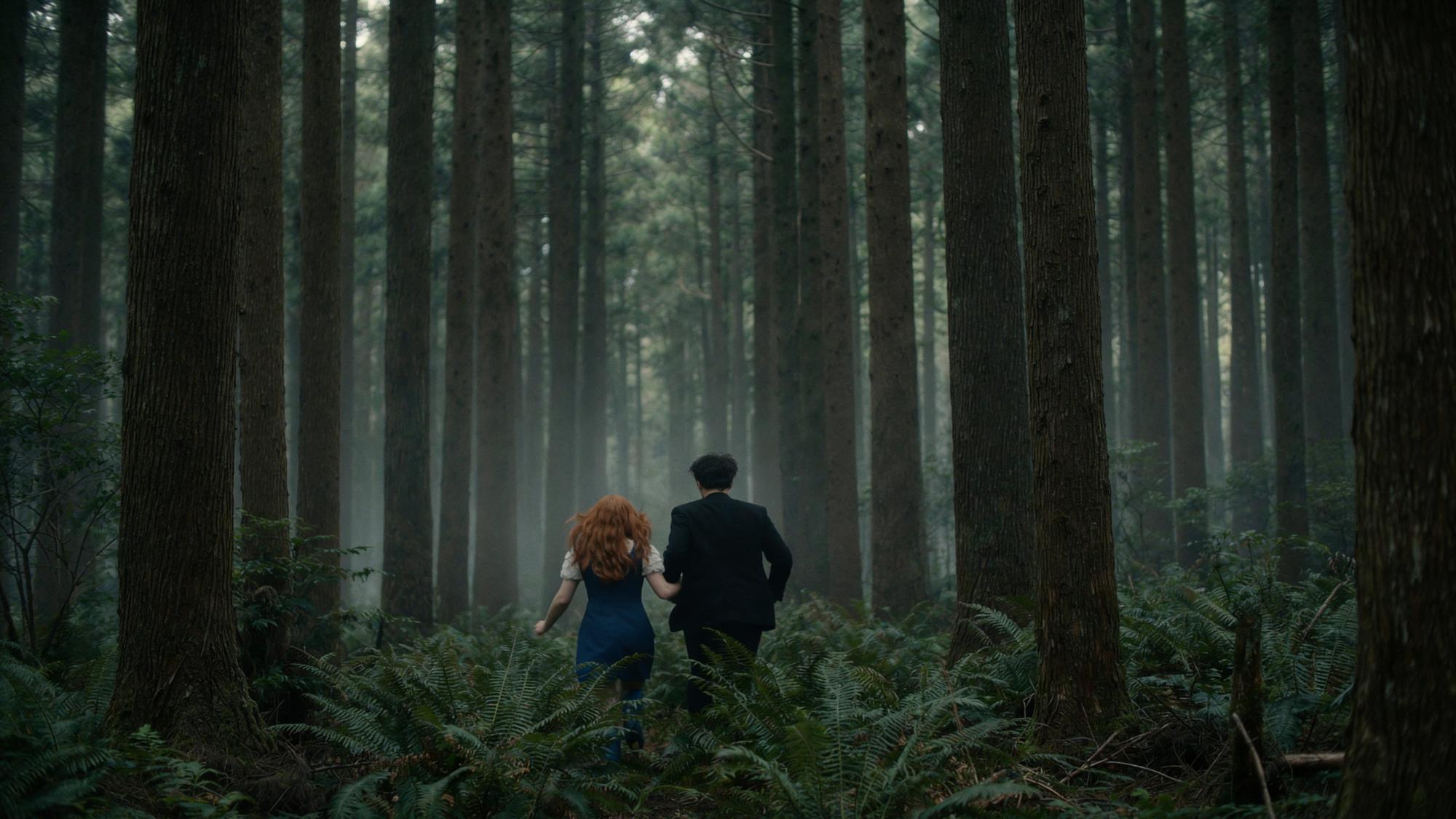
We did not want to create sci-fi effects or push artificial intelligence toward virtuosity for its own sake. The goal was to demonstrate how far realism could go. This fluidity was therefore a conscious choice. Audience reactions were very meaningful. We received several messages from viewers asking where we had shot certain scenes, such as the forest where the two protagonists escape from the police. That forest, in reality, does not exist. It is the result of precise and elaborate prompts, of careful image construction, and of thoughtful integration with live action footage.
Naturally, a more trained eye can notice certain differences, and that is precisely where we see significant room for growth. For us it was both an artistic choice and a technical challenge, on one hand reflecting on the nature of contemporary imagery, on the other continuing to improve the quality and integration of AI driven video production.
Sanremo is one of the most mainstream stages in Italian music. Do you see this project as a turning point for record labels and music video production in Italy? Are labels truly ready to integrate AI at this level, or is the industry still cautious?
Do you see this project as a turning point for record labels and music video production in Italy? Are labels truly ready to integrate AI at this level, or is the industry still cautious?
Bringing this video to Sanremo Festival was very meaningful for us. It was a concrete demonstration of how artificial intelligence can integrate into music production without distorting it, but rather expanding its possibilities.
We believe the industry is ready, although still cautious. Record labels are observing carefully. On one side there is prudence, on the other there is awareness that these tools can expand visual imagination, reduce production timelines, and in some cases contain costs.
Rather than a definitive turning point, we see it as a clear signal. AI does not replace creative work, it enhances it. The real challenge today is not whether to use it, but how to integrate it intelligently and coherently.
You’re also preparing a backstage video revealing the prompts and even staging a “fake backstage” for AI-generated scenes. In a moment where AI still generates both excitement and skepticism, how important is transparency in your creative process? Do you think showing the mechanics strengthens the artistic credibility of the work?
With the backstage video we want to give visibility to the complexity of the process, showing how much work lies behind a result that on screen appears fluid and natural. We believe that revealing the mechanisms does not diminish the magic, but rather strengthens the credibility of the project, because it highlights the technical balances and precise coordination that make that result possible.