- Date
- 18 NOVEMBER 2026
- Author
- DANIEL FACE
- Image by
- PRESS OFFICE
- Categories
- Aesthetics
Kaari Upson at MASI Lugano revisits the darker side of domestic life
There is something unsettling about familiar objects when they are removed from their ordinary context. A mattress, a domestic interior or even a familiar face can become something entirely different when viewed through the lens of memory, obsession and personal history. This tension sits at the centre of Kaari Upson. Dollhouse, a major retrospective at MASI Lugano dedicated to the American artist whose work explored the fragile relationship between the body, identity and the environments we inhabit.
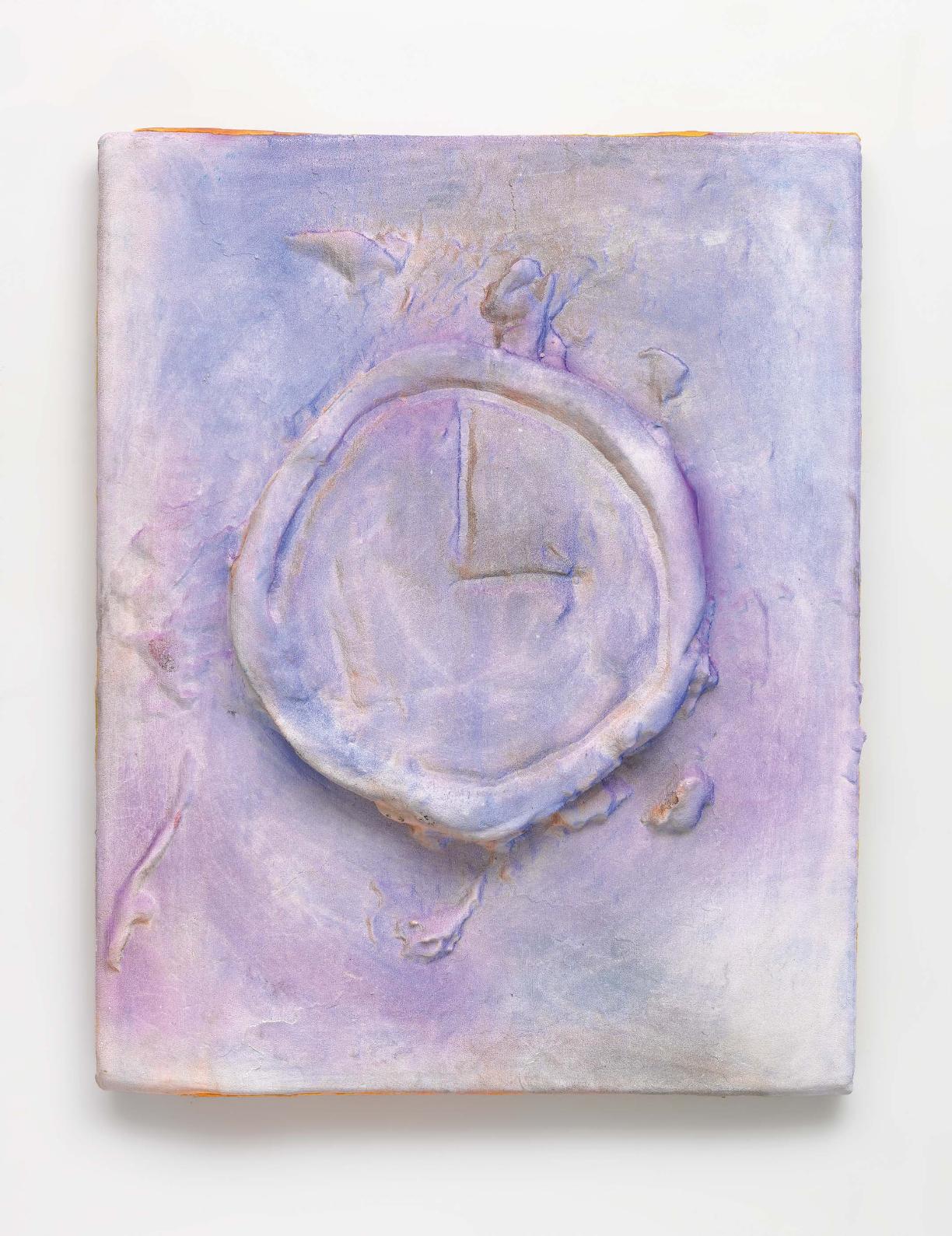
Presented at the museum’s LAC venue, the exhibition brings together works spanning more than two decades of Upson’s artistic practice, offering an opportunity to encounter one of the most distinctive voices in contemporary American art. Through sculpture, installation, painting, drawing and video, Upson developed an unsettling visual language in which everyday objects become repositories of memory, while familiar environments gradually transform into psychological landscapes.
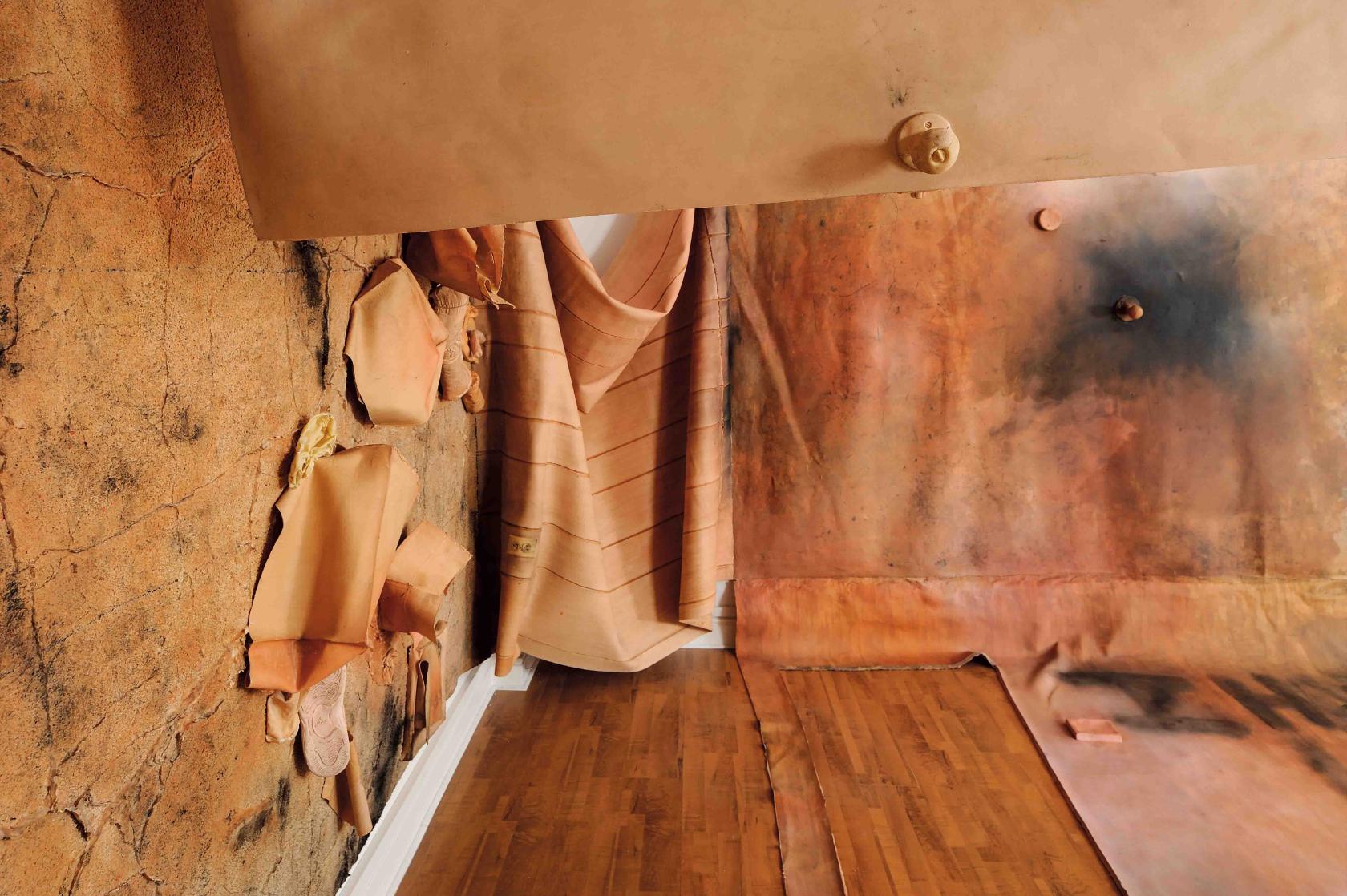
The exhibition unfolds across five chronological sections, tracing the development of recurring themes throughout her career. One of its starting points is the Larry Project (2005–12), inspired by a real man who lived near the artist’s childhood home in San Bernardino, California. Upson became fascinated by his abandoned house and the possibility of reconstructing his life and identity. Through an elaborate process of research, imagination and projection, she created an alternate narrative around Larry, transforming an external figure into a reflection of her own artistic obsessions.
This relationship between reality and fiction continues in Recollection Hysteria (2012), an installation recreating a room from Larry’s house. Constructed using liquid latex, the environment appears almost familiar, yet its distorted surfaces, duplicated forms and unstable details create an atmosphere that feels closer to a psychological memory than an accurate reconstruction.
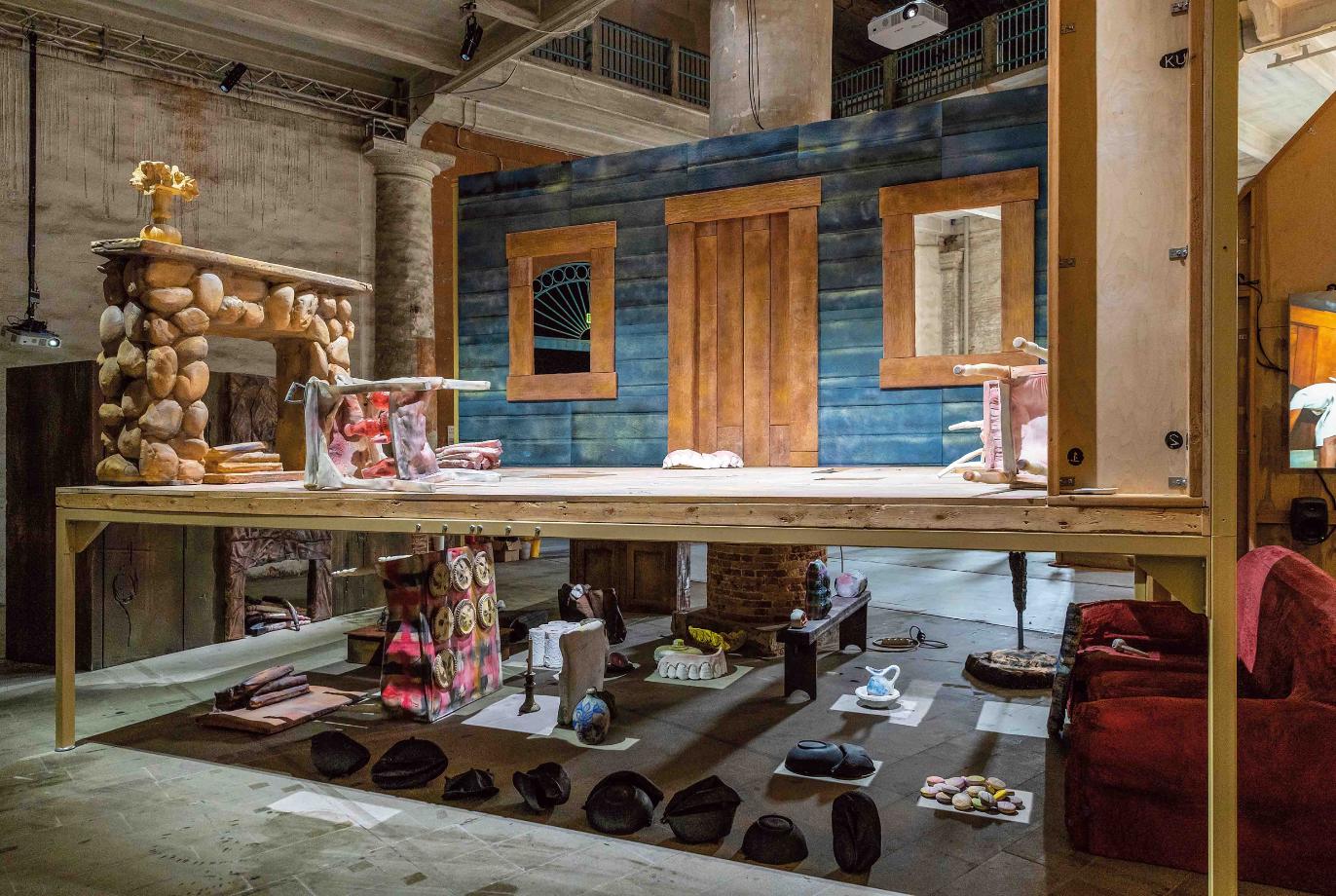
Domestic spaces become equally important in THERE IS NO SUCH THING AS OUTSIDE (2017–19), the installation originally presented at the 2019 Venice Biennale. Reconstructing a dollhouse that belonged to her mother, Upson transforms the domestic interior into a theatrical setting through which family relationships, personal histories and inherited gender roles can be examined. The house becomes less a place of protection than a space where private tensions and memories remain embedded.
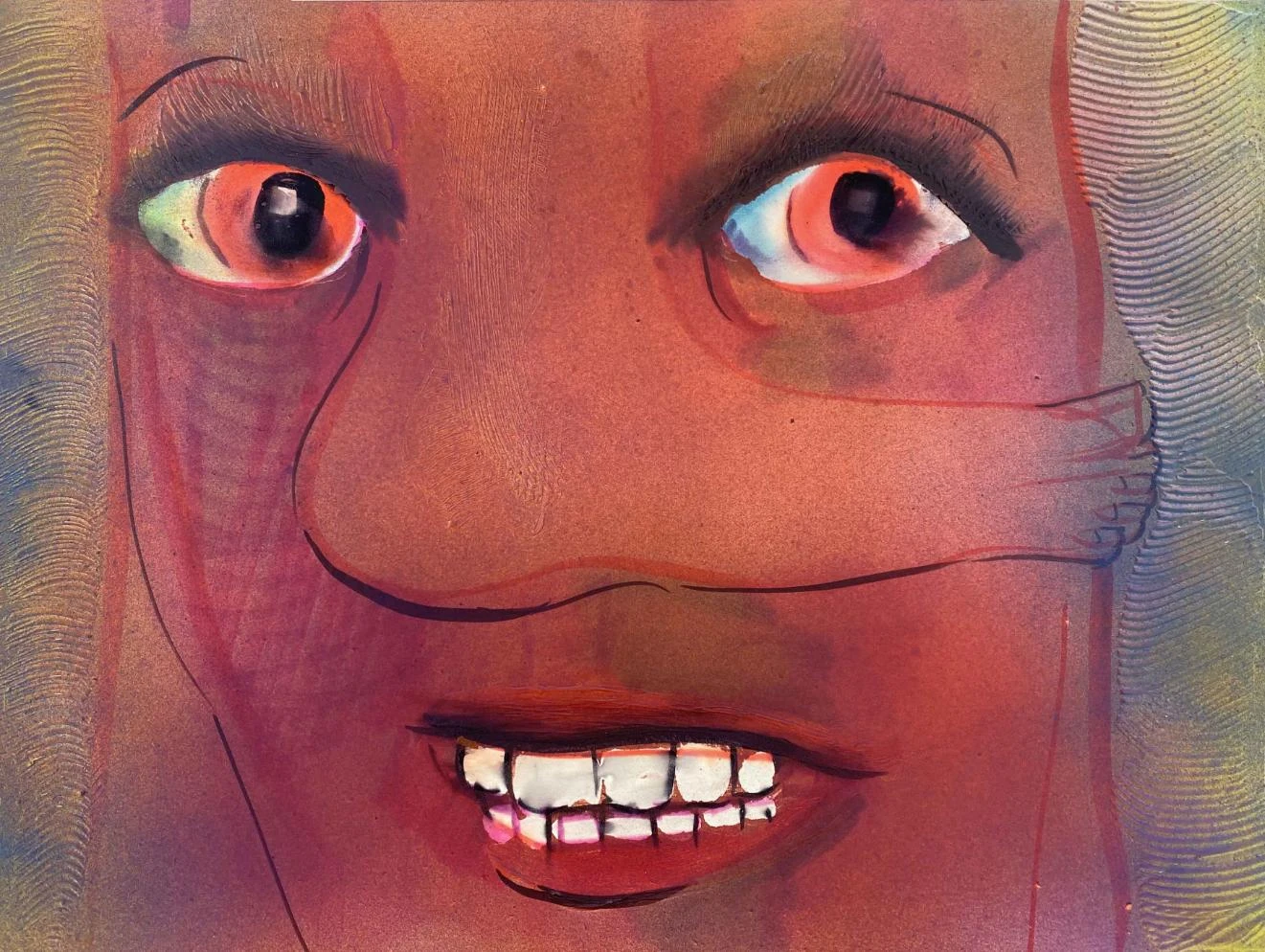
Throughout the retrospective, the human body appears as another recurring subject. In works such as Mother’s Legs (2018–19), suspended sculptural forms evoke the vulnerability of the body and the complicated relationship between childhood, intimacy and protection. Her later series, Foot Face Paintings (2020–21), comprising 140 works on paper, brings this exploration to an unexpected conclusion. Each painting presents a wide-eyed face partially covered by a foot, creating an unsettling visual language that records the final months of the artist’s life.
Upson passed away in 2021, aged 50. Rather than presenting her work as a closed chapter, Dollhouse reveals an artistic practice that continues to raise questions about how memories shape identity, how objects preserve traces of human experience and how personal histories become part of a wider collective imagination.
At MASI Lugano, the retrospective offers more than an overview of an artist’s career. It invites visitors into a world where the familiar becomes unfamiliar, and where the boundaries between reality, memory and imagination are never entirely stable.