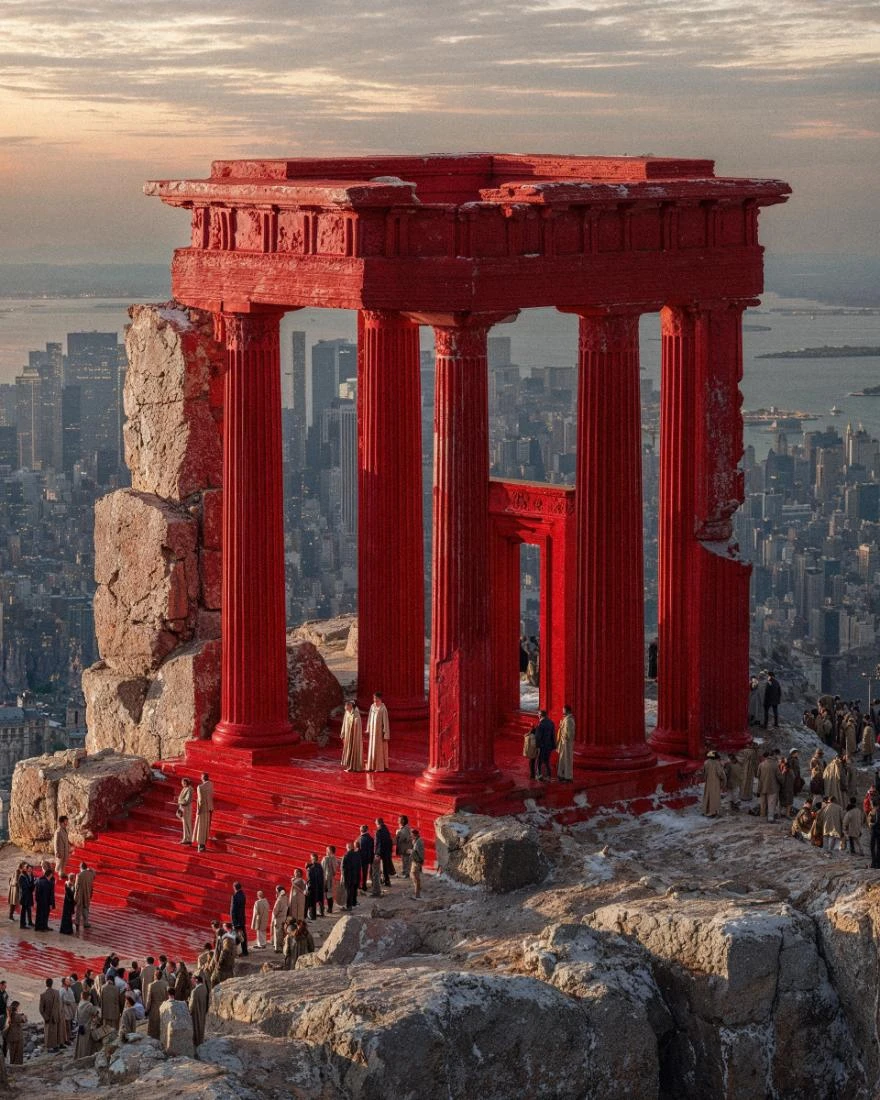
- Date
- 09 AUGUST 2026
- Author
- JAGRATI
- Image by
- LARISA BURIBASA
- Categories
- Interviews
Larisa Bulibasa on Architecture, AI and Designing Spaces That Make Us Feel
For London-based architect and designer Larisa Bulibasa, design begins long before a space takes physical form. With architecture as the foundation of her practice, Bulibasa moves between spatial design, stage environments, conceptual visual work and a fascination with fashion, creating worlds that sit somewhere between the architectural and the cinematic. Her practice, developed through LARISA BULIBASA DESIGN LAB, explores how technology and imagination can open new possibilities for architecture and visual culture.
At the centre of her approach is a simple but increasingly relevant question: how should a space make us feel? Rather than treating design as decoration, Bulibasa is interested in atmosphere, memory, texture, light and the psychological experience of inhabiting a space. Her process draws as much from mythology, cinema, ruins and music as it does from architectural thinking, while AI has become another tool for testing ideas and expanding the boundaries of what can be imagined.
In our conversation, Bulibasa discusses the relationship between architecture and emotion, why constraints can lead to stronger ideas, how she uses AI without allowing it to replace human intuition, and why she deliberately resists designing for trends and algorithms.
Read the full interview below to discover how Larisa Bulibasa is imagining a future where technology, architecture and human emotion exist in the same space.
You work across fashion, interiors, and product design. Where does your thinking stay consistent, and where does it intentionally shift?
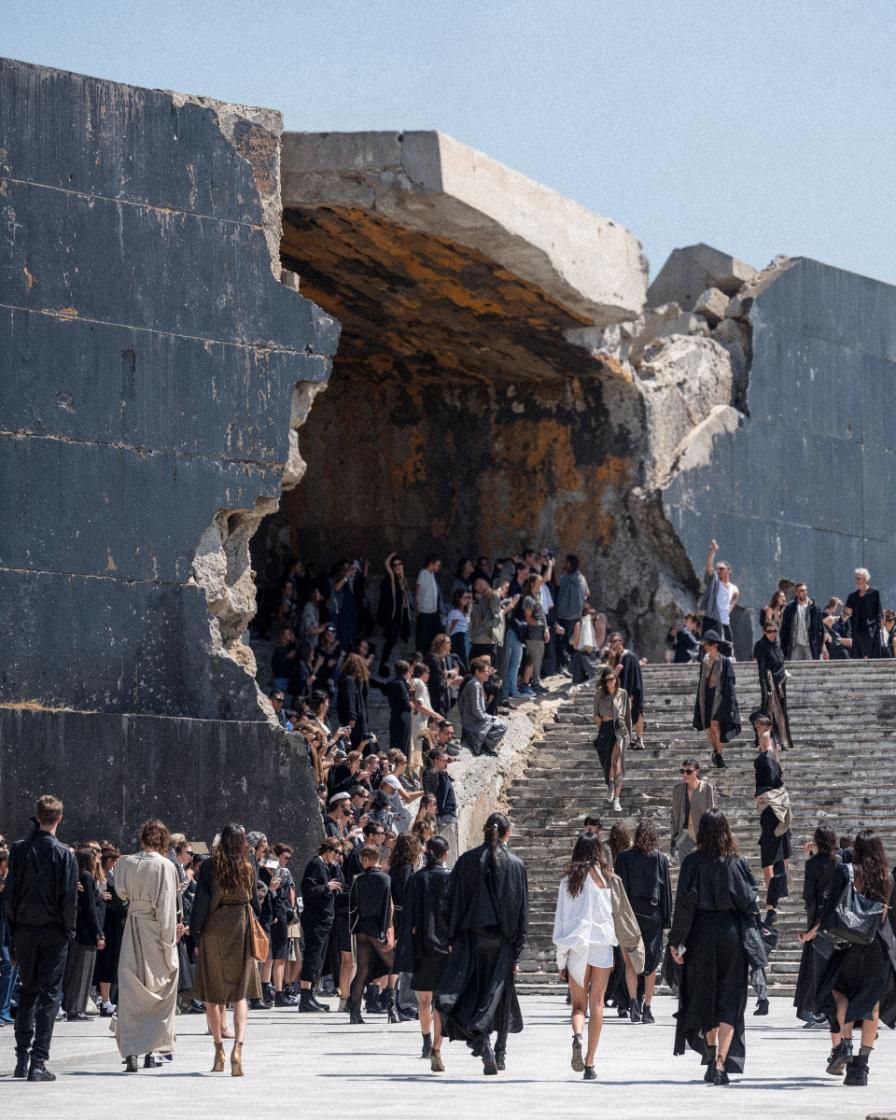
My main work is rooted in architecture and spatial design. That is the foundation of how I think, observe, and create. I also work within stage design and conceptual visual environments, which naturally expand from architecture into more immersive and narrative-driven experiences.
Fashion, for me, exists more as a personal fascination and a cultural language rather than something I formally define as an industry I work within. I’m interested in the emotional and sculptural qualities of garments, silhouettes, textures, and identity; the way people inhabit aesthetics and use them as a form of self-expression. It’s less about “fashion” in the commercial sense and more about atmosphere, presence, and storytelling around the body.
What remains consistent across everything I do is the pursuit of emotion and meaning. I am always trying to create experiences that make people feel something deeply; whether through a space, an installation, an object, or an image.
What shifts intentionally is the scale and temporality of the work. Architecture deals with permanence and lived experience over time. Stage design allows for more theatricality and emotional intensity. Conceptual visual work can be more instinctive and experimental. But all of them are connected through the same desire to create worlds rather than simply design objects.
What problem do you solve better than other design studios, and what fundamentally makes your approach different?
I think many studios focus primarily on aesthetics as a surface layer. For me, design begins much deeper than appearance. I am far more interested in how a space, object, or environment makes someone feel emotionally and psychologically.
We live in a time where people are overstimulated, disconnected, and surrounded by spaces that often feel generic or emotionally empty. I try to create work that reconnects people to emotion, atmosphere, beauty, and presence. Spaces that slow people down. Environments that create calm, wonder, intimacy, or reflection.
I believe the most powerful design is not the one people simply admire visually, but the one they emotionally remember long after they leave it. Aesthetic beauty matters to me deeply, but only when it serves a larger emotional experience.
What fundamentally makes my approach different is the combination of architectural thinking, artistic intuition, and AI-driven exploration. I use technology not to replace creativity, but to expand the boundaries of imagination and explore unexpected spatial possibilities. AI allows me to test atmospheres, narratives, and forms very quickly, but the final direction is always guided by human instinct, emotion, and cultural meaning.
I see design as something that should not only look beautiful, but genuinely transform the way people experience life.
Can you walk me through your process from concept to outcome and where the biggest decisions actually happen?
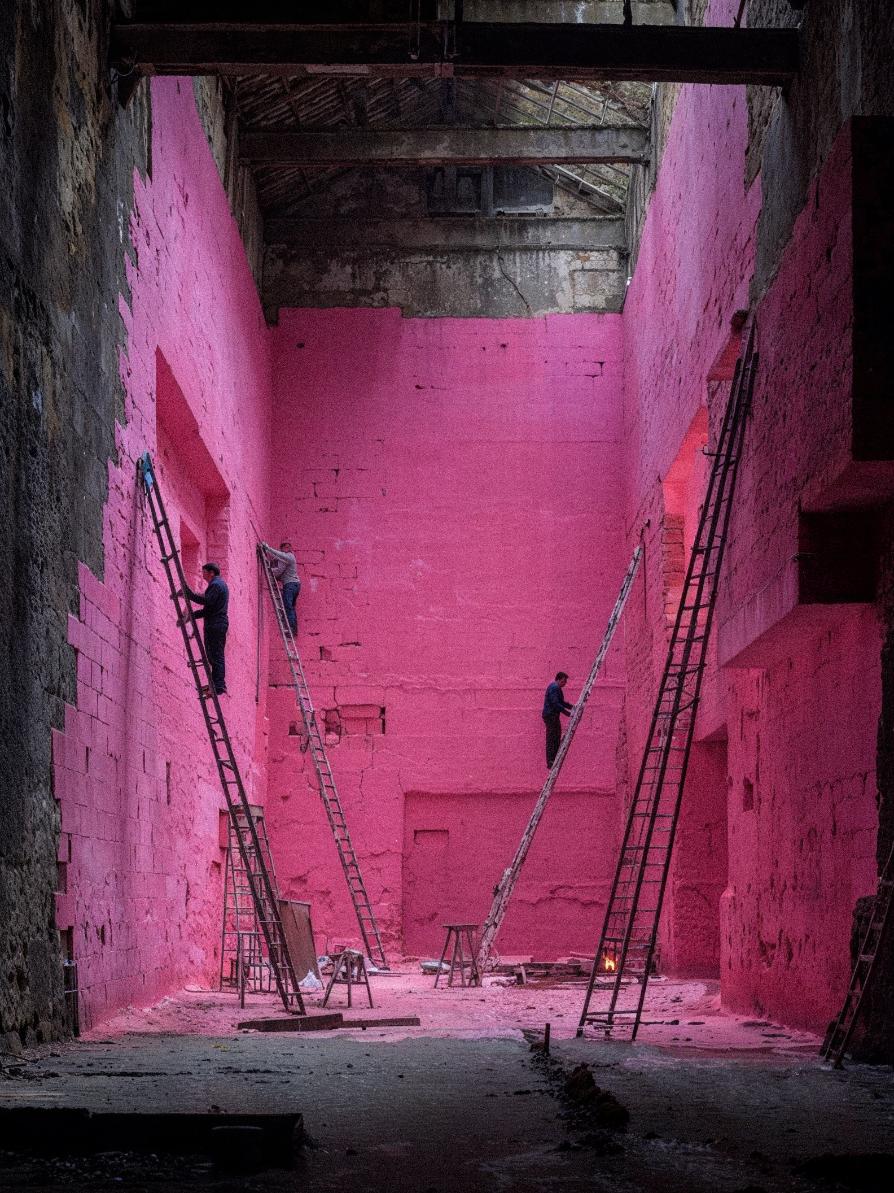
The beginning is always emotional rather than technical. I collect references from mythology, cinema, ruins, literature, landscapes, paintings, music, even memories. I build a psychological world before I design a physical one.
Then comes exploration. I sketch, test forms, create spatial studies, use AI tools to generate unexpected perspectives, and refine the atmosphere I want to achieve.
The biggest decisions happen surprisingly early; when deciding what a project should feel like. Once that emotional direction is clear, the technical decisions become much easier.
After that, the process becomes more pragmatic: materials, proportions, fabrication, budgets, construction realities. I actually enjoy this balance between poetry and pragmatism. I think good design needs both.
What constraints (budget, materials, production) have most improved your work rather than limited it?
Constraints force clarity. Unlimited freedom can sometimes dilute an idea.
Some of my strongest concepts came from limitations; a restricted material palette, a difficult spatial condition, or a smaller budget that required precision rather than excess. When you cannot rely on spectacle, you are forced to focus on proportion, light, texture, and emotion.
I also think constraints encourage innovation. Especially with AI and emerging technologies, I’ve learned that limitations often push me toward more original solutions.
Can you share a project where the final result was very different from the original idea, and why that made it better?
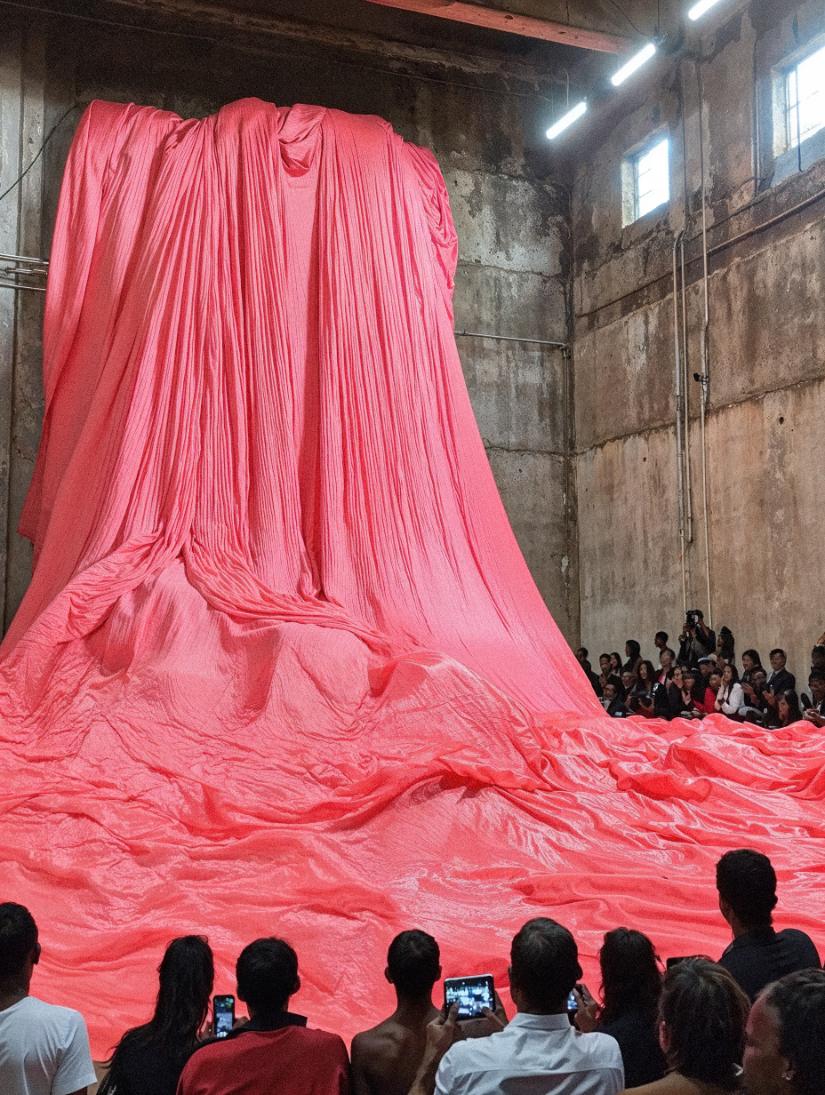
One of my ongoing explorations around gallery spaces evolved this way. Initially, I approached the work architecturally; thinking about form, layout, and function. But through experimentation, it became much more atmospheric and conceptual.
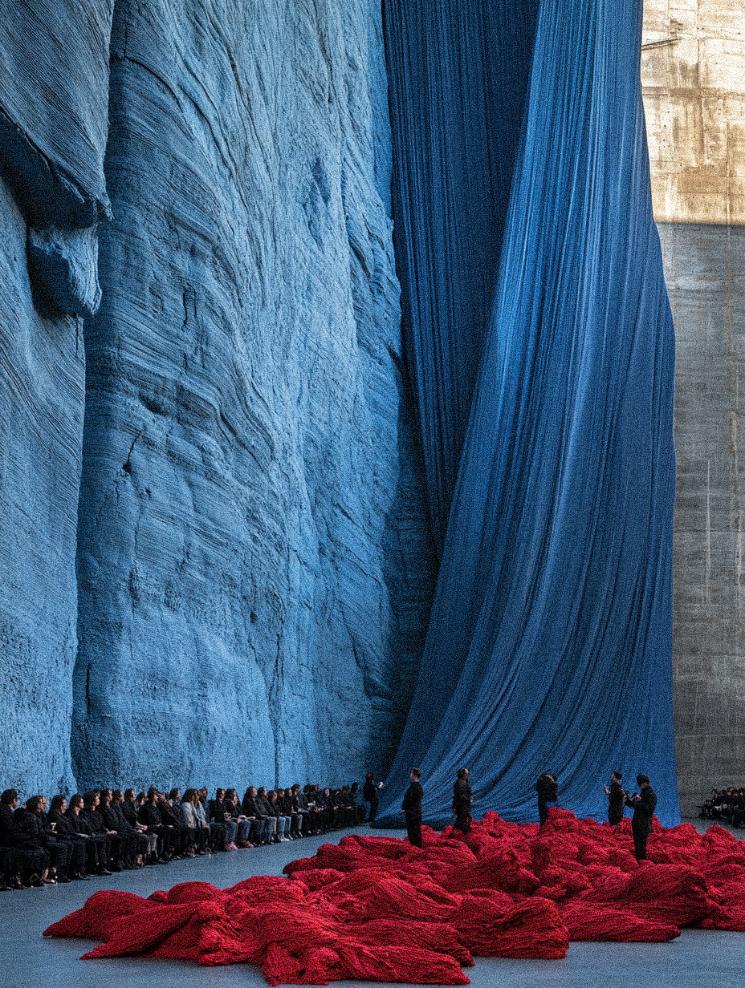
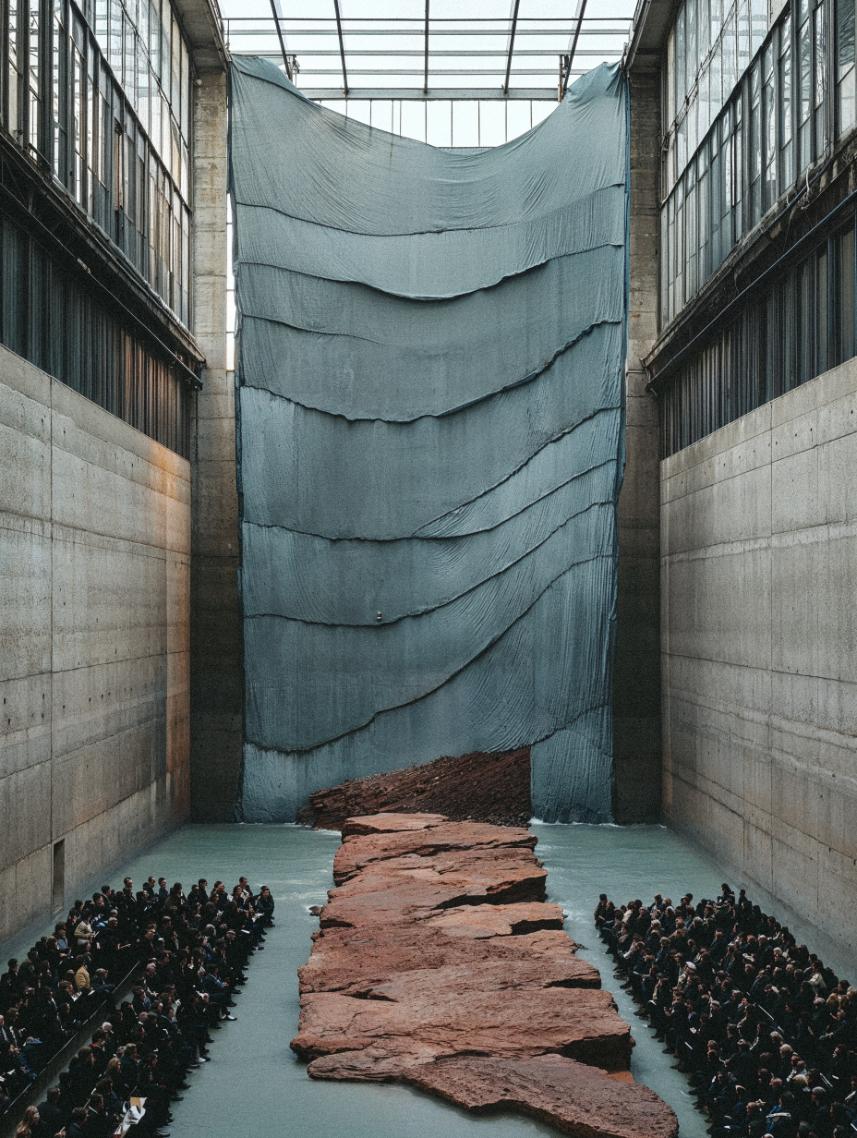
Instead of designing a traditional gallery, I became interested in creating emotional environments using light, fabric, color, and spatial tension almost like installations or cinematic scenes. The project moved away from being purely “a space” and became more about experience and perception.
That shift made the work stronger because it became less literal and more immersive.
What do clients typically misunderstand about good design when they first come to you?
Many people initially see design as decoration rather than transformation.
Good design is not simply about making something look expensive or visually impressive. It changes how you live, how you move, how you feel, and even how you think. A well-designed space can calm anxiety, encourage connection, create confidence, or inspire creativity.
I think clients often discover that the invisible qualities of design are the most powerful ones.
How do you balance pushing bold ideas with meeting client expectations or commercial realities?
I believe bold ideas only work when they are grounded in reality. Otherwise they remain images instead of becoming meaningful experiences.
My role is partly creative and partly interpretive. I listen carefully to clients, but I also try to understand what they reallywant emotionally, not only functionally. Often clients ask for one thing, but what they truly desire is a feeling: calmness, status, intimacy, inspiration, escape.
Once you understand that, you can push ideas further while still making people feel understood.
How do you ensure your designs remain relevant over time rather than just following trends?
I avoid designing around trends entirely. Trends disappear because they are based on novelty rather than truth.
I’m more interested in timeless emotional qualities: light, shadow, texture, ritual, silence, proportion, memory. I often look at ancient architecture, ruins, mythology, and historical spaces because they still move people emotionally centuries later.
To me, timelessness comes from depth rather than style.
Where in your process do you encounter the most resistance internally or from clients, and how do you handle it?
The biggest resistance usually comes when ideas are still abstract and not fully visible yet. People naturally trust what already exists more than what is still becoming.
Internally, I sometimes struggle with knowing when to stop refining. As a designer, you can continue evolving a concept forever. But at some point, a project needs clarity and decisiveness.
With clients, I handle resistance through storytelling and visualization. Once people emotionally understand an idea, they become much more open to it.
What’s something you’ve deliberately chosen not to do as a studio, and why?
I’ve deliberately chosen not to become a trend-driven content studio producing fast aesthetics purely for visibility.
In the age of social media and AI, there is enormous pressure to constantly produce images and follow algorithms. But I’m more interested in creating work with longevity and emotional depth rather than temporary attention.
I would rather create fewer projects that genuinely resonate than constantly produce work without meaning.
What kind of mindset or qualities do you value most in people who join your team?
Curiosity is the most important quality to me.
I value people who are intellectually open, emotionally sensitive, and willing to experiment across disciplines. Technical skill matters, of course, but imagination and perspective matter just as much.
I also value people who can balance vision with execution. Dreaming is important, but making ideas real is equally important.
What’s the difference between a project you’re satisfied with and one you’re genuinely proud of, and where do you want to go next as a studio, especially with tech and AI influencing creative and design processes?
A project I’m satisfied with is one that works well. A project I’m proud of is one that changes something emotionally; for the client, the audience, or even for me personally. Those projects usually feel slightly risky. They push beyond functionality into something more human and memorable.
Looking ahead, I’m very interested in the relationship between AI, architecture, and cultural experience. I think we are entering a completely new era of creativity where designers will move from being purely makers to becoming curators of intelligence, emotion, and systems.
For my studio, I want to continue building spaces, objects, and experiences that merge technology with beauty and mythology; work that feels both futuristic and deeply human at the same time.