- Date
- 16 NOVEMBER 2026
- Author
- FEDERICO RENOLDI
- Image by
- PRESS OFFICE
- Categories
- News
Maison Margiela Tokyo Celebrates 20 Years with Mio Suzuki’s Tapestry Installation
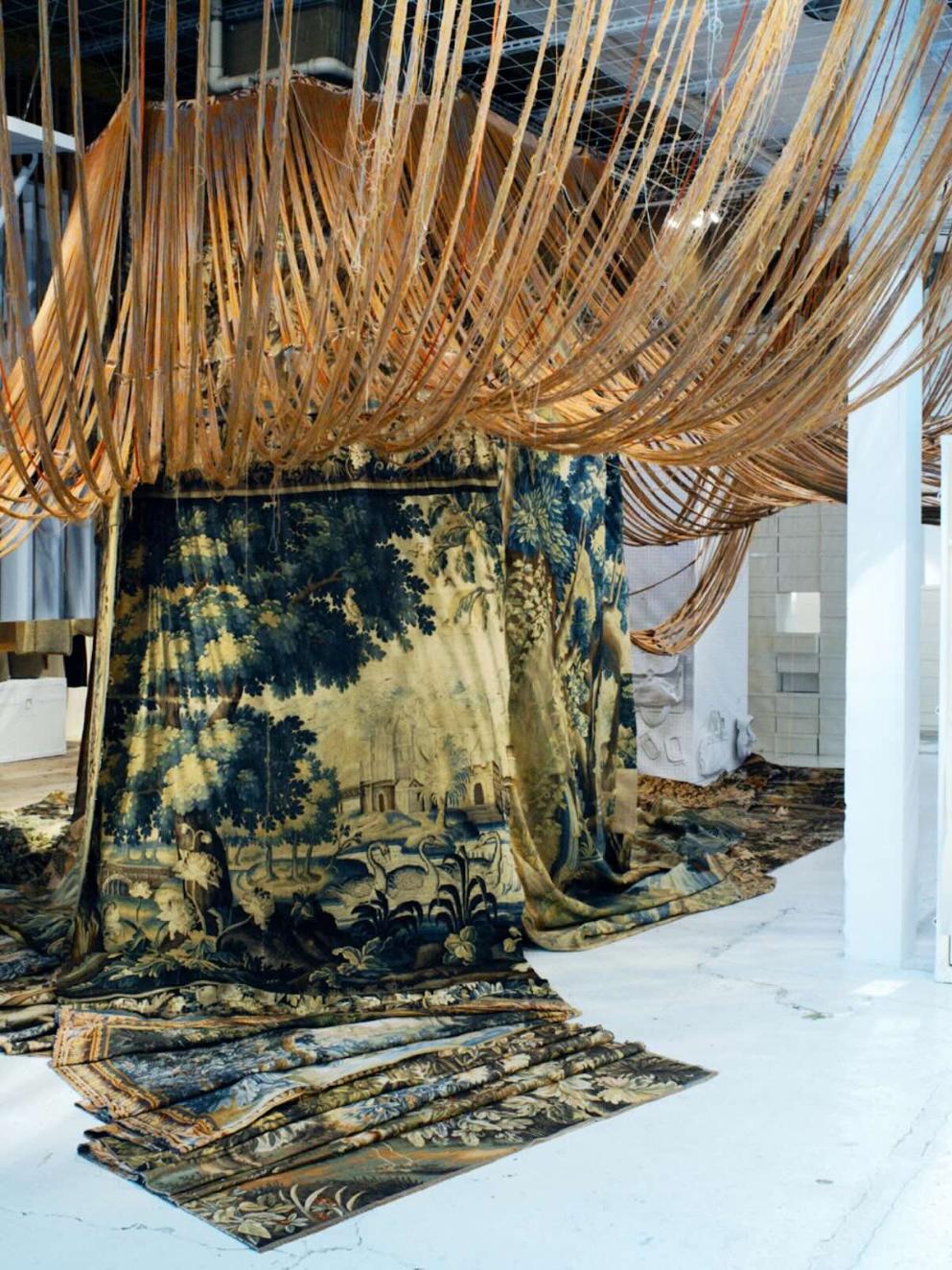
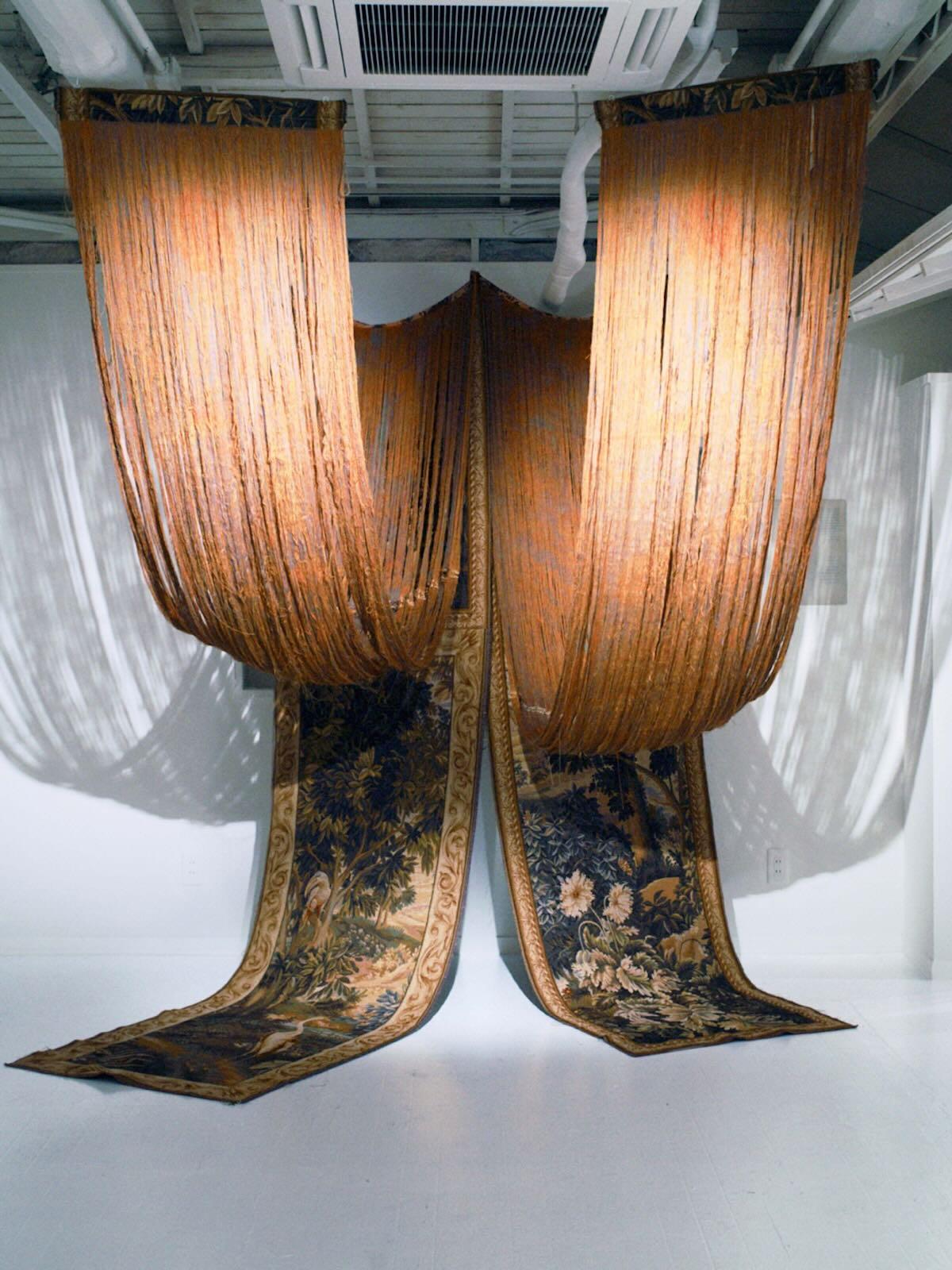
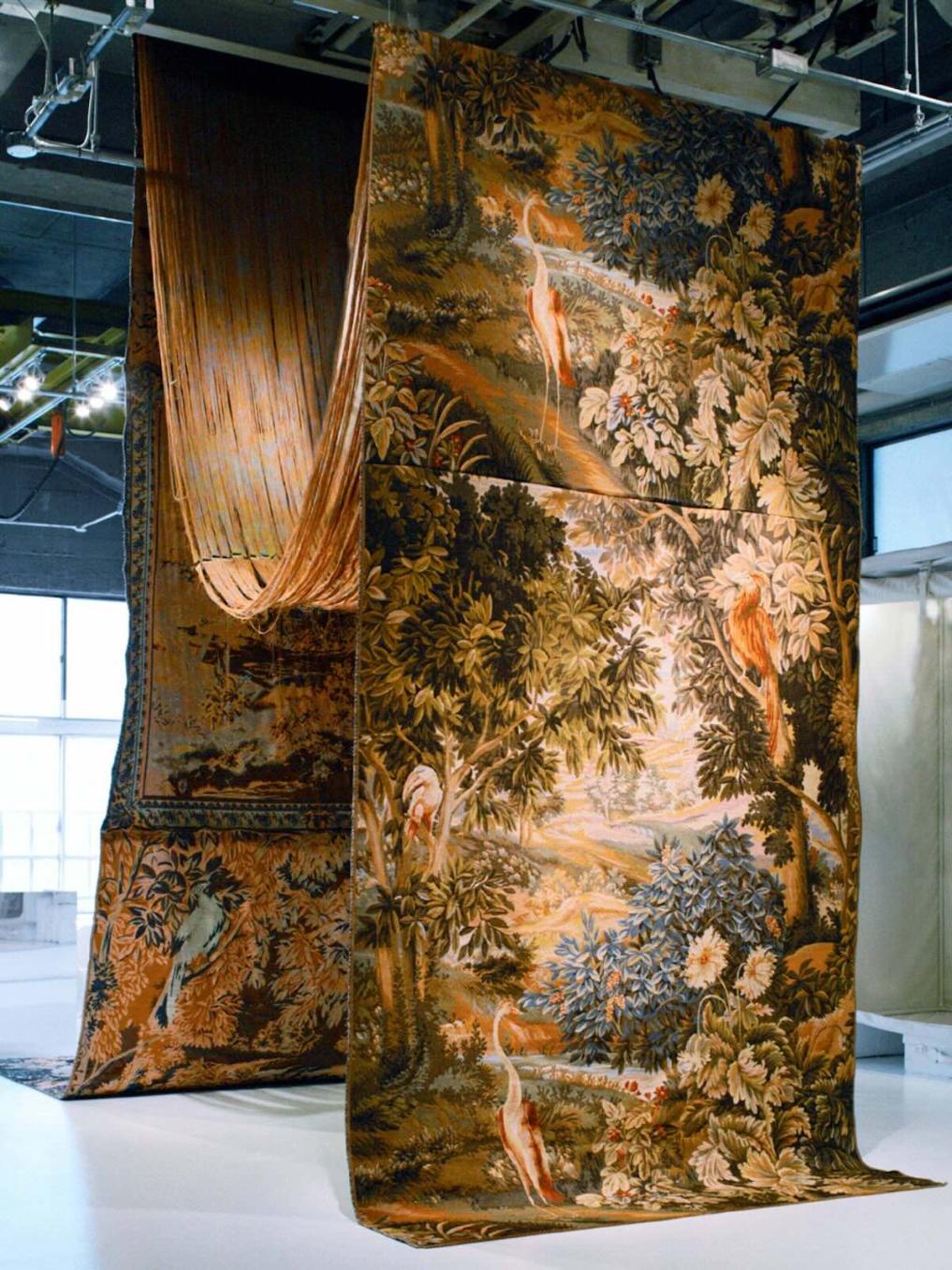
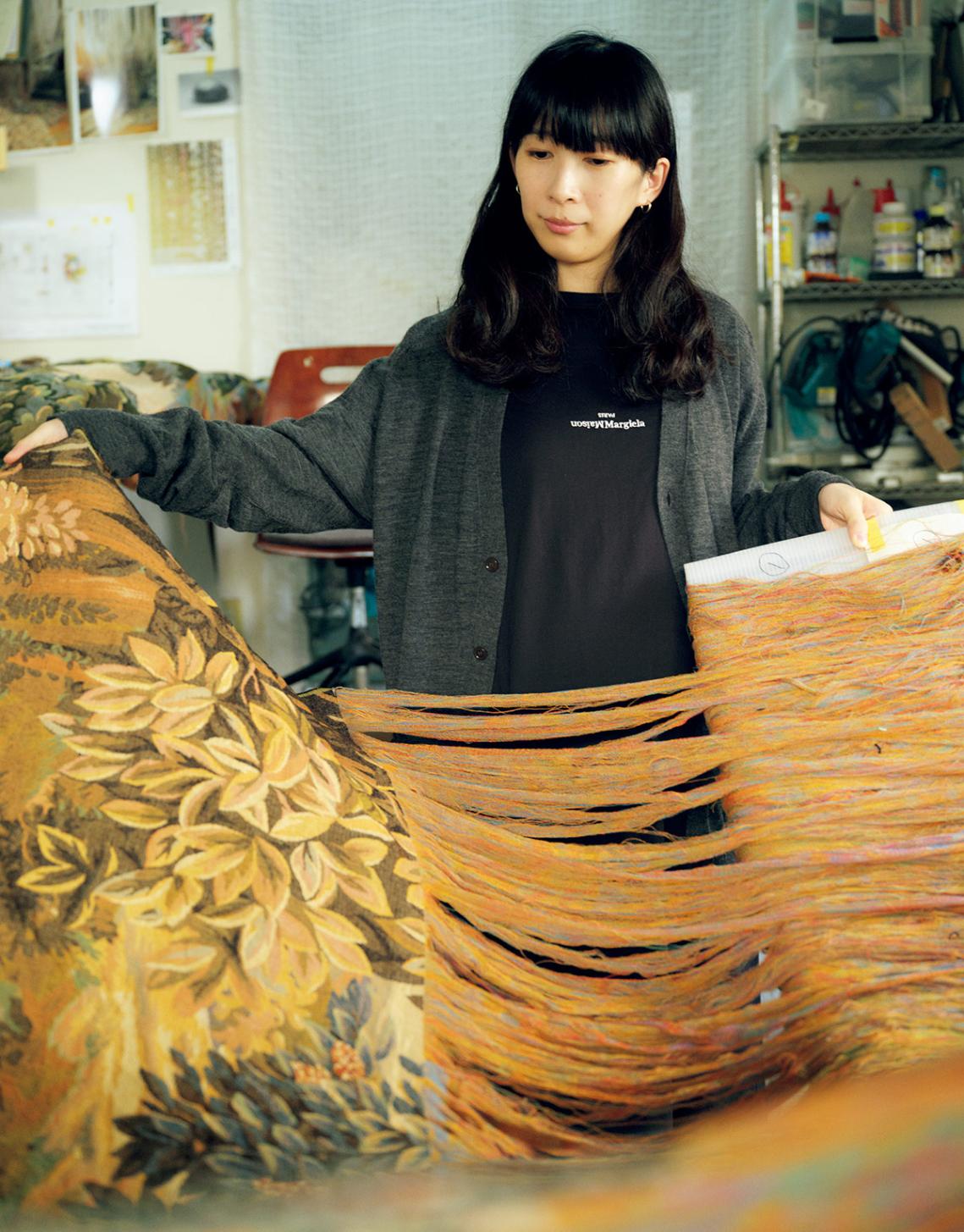
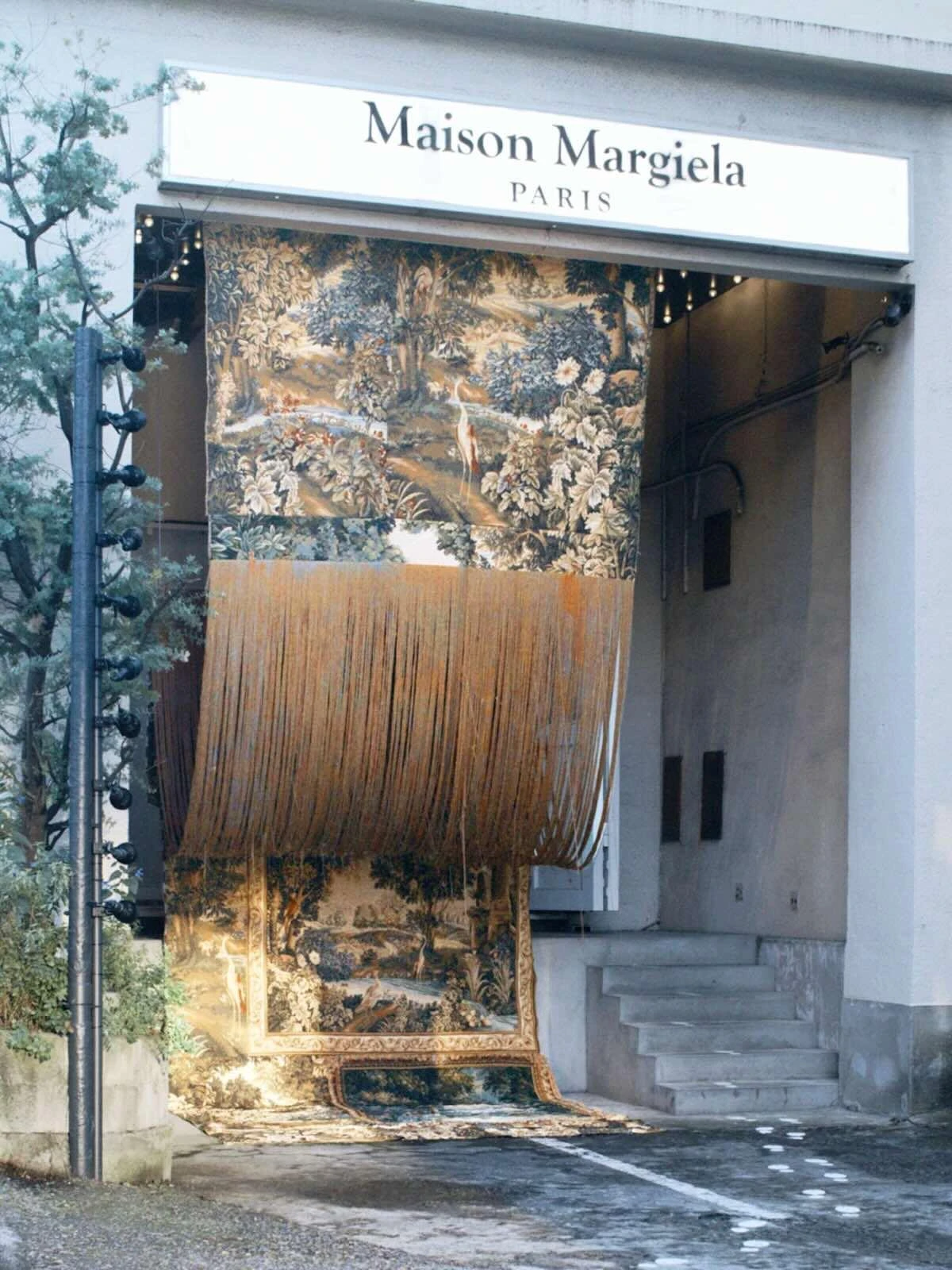
There are works of art that do more than occupy a space; they change the way we experience it. At Maison Margiela’s Ebisu boutique in Tokyo, Mio Suzuki’s Unravelled Memory, Rewoven Future does precisely that. Presented for the store’s twentieth anniversary, the installation reimagines 59 tapestries from the French institution Les Manufactures Nationales – Sèvres & Mobilier National. Over three months, Suzuki unravelled and reworked their threads, bringing materials from different eras into an unexpected present. My encounter with the work began outside. A textile drape hung at the entrance, and on the windy day of my visit it seemed almost alive, swelling and retreating as though inviting passersby inside. It was an unexpectedly moving, almost metaphysical moment: the invisible air became a temporary collaborator, giving the fabric a life beyond the artist’s hands. Inside, suspended textiles occupied the paths of a fully functioning boutique. Customers moved among garments and artworks, sometimes having to alter their route. Rather than standing apart from everyday life, the installation asked visitors to negotiate space with it. This gesture echoes a defining principle of Martin Margiela’s creative language: giving existing objects new roles without necessarily erasing their former identities. Gloves, bow ties and other familiar items can become elements of a garment, carrying traces of their previous purpose. Suzuki takes this thinking into the fabric itself. Unravelling becomes a way of reconsidering what an object has been and what else it might become. I found myself imagining the tapestries as works made across centuries by hands that never met. Their original makers created something complete in their own time; Suzuki gives that creation another chapter. Past and present coexist, while the present already contains the possibility of being reinterpreted in the future. Yet this beauty carries risk. To undo a historical artefact is to take responsibility for changing something whose history is not entirely yours. Details may be lost, and intention can never fully predict the outcome. That uncertainty is part of the work’s significance: transformation is not an innocent gesture, but a choice that demands awareness. I still think of the drape moving in the wind. Suzuki transformed the material; the space and weather transformed my encounter with it. Memory is not something fixed, but living matter shaped by those who remake it and those who observe it. With every transformation, a new chapter opens, allowing history to follow new paths: a story within a story, and then a story beyond the story.