- Date
- 05 OCTOBER 2026
- Author
- DANIEL FACE
- Image by
- ARTIST, NICOLA GNESI STUDIO & RED-EYE TEAM
- Categories
- Aesthetics
Selma Selman’s 1000 Tears Exhibition at GAMeC Turns Pain Into Resistance
At GAMeC in Bergamo, we encountered Selma Selman’s first solo exhibition in an Italian institution, a deeply personal journey through memory, war, family, identity and the possibility of hope.
We travelled to Bergamo to visit GAMeC – Galleria d’Arte Moderna e Contemporanea di Bergamo and discover 1000 Tears, the first solo exhibition by Bosnian artist Selma Selman in an Italian institution. Born in Bihać in 1991, Selman’s practice draws deeply from her family and community, moving between painting, drawing, film, performance and research. Her work confronts belonging, marginalisation, Roma identity, inherited trauma and the structures that determine whose stories are seen, remembered or erased.
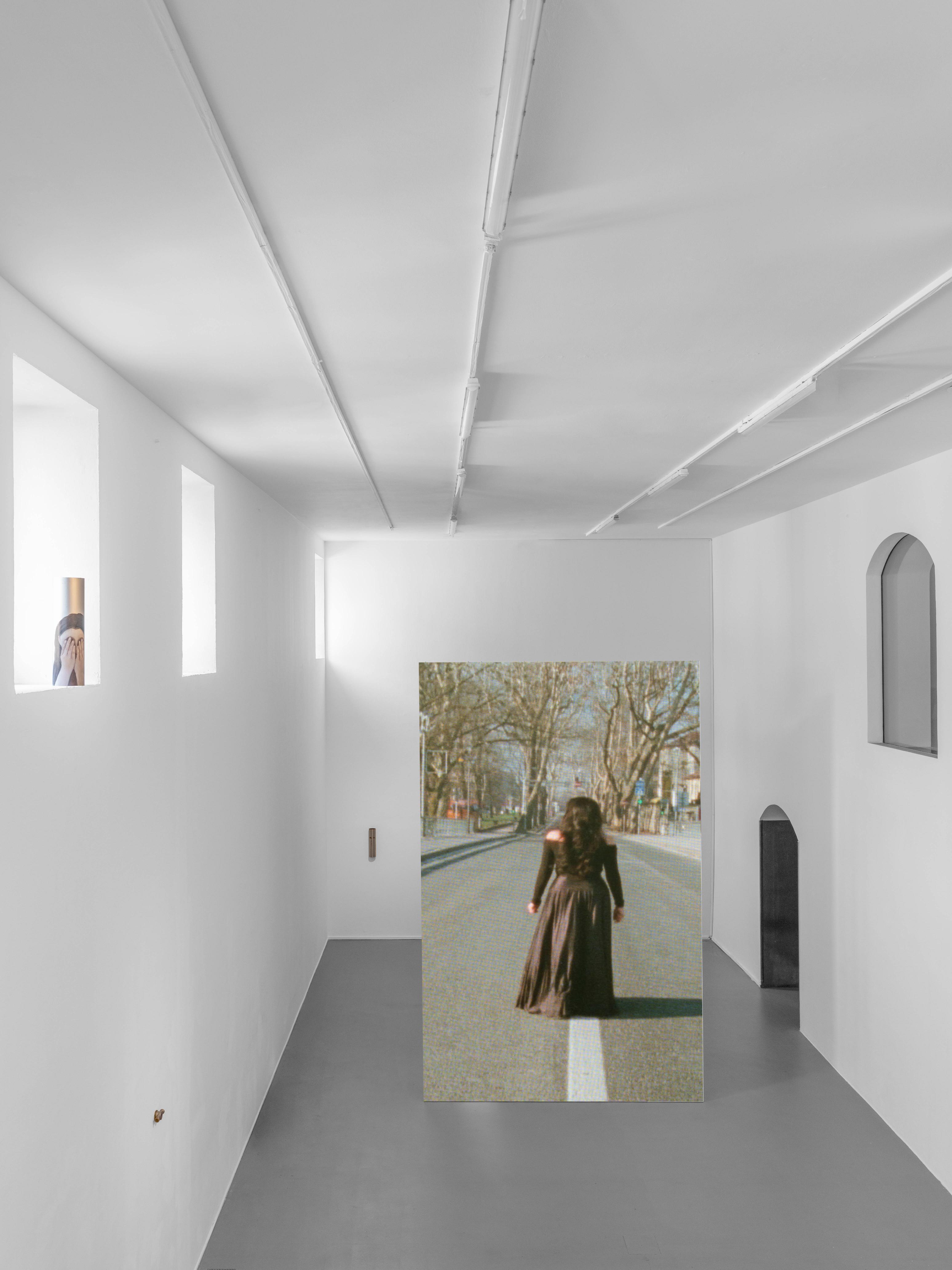
Walking through Spazio Zero, what immediately stayed with us was how personal the exhibition feels without ever becoming closed or inaccessible. Selman repeatedly invites the viewer to look closer, to question what they are seeing and, ultimately, to bring their own experiences into the work.
“Being an artist is not about creating only beautiful experiences. It’s about creating maybe in a way uncomfortable experience which in a way can be beautiful for you,” she explains. “And it’s also very important when you see the show that you do not constantly think of me, but that you think about you and what are the questions that I actually propose with the show.”
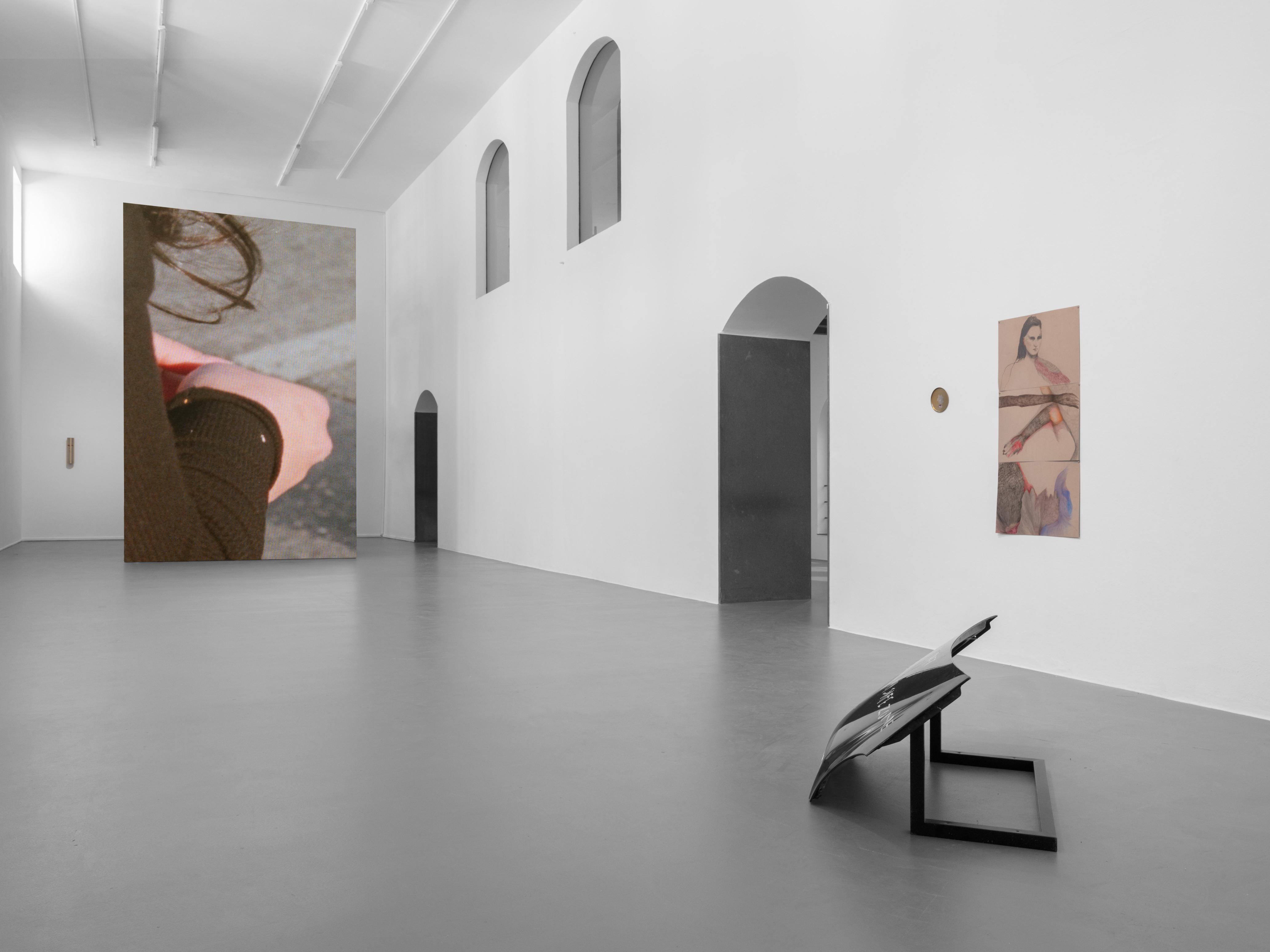
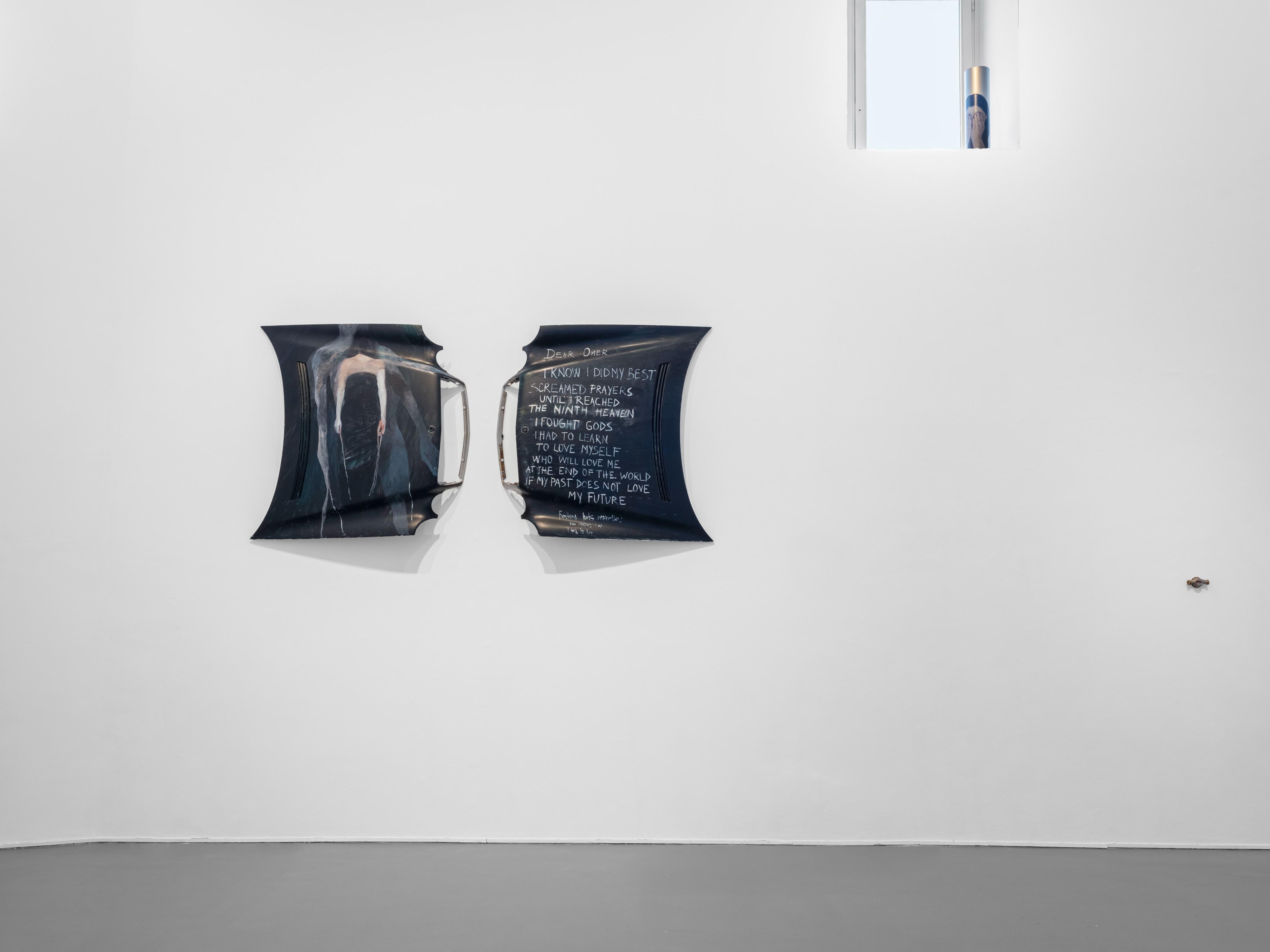
The title 1000 Tears comes from one of Selman’s Letters to Omer, where a dream involving three guns and a thousand tears becomes a strangely positive omen. That contradiction between pain and possibility runs throughout the exhibition. For Selman, the central question is not simply how trauma is remembered, but what can be created from it.
“How do you use the pain? How the pain is transformed and recreated in something that I call resistance,” she says. “And maybe this resistance is the hope that we need today.”
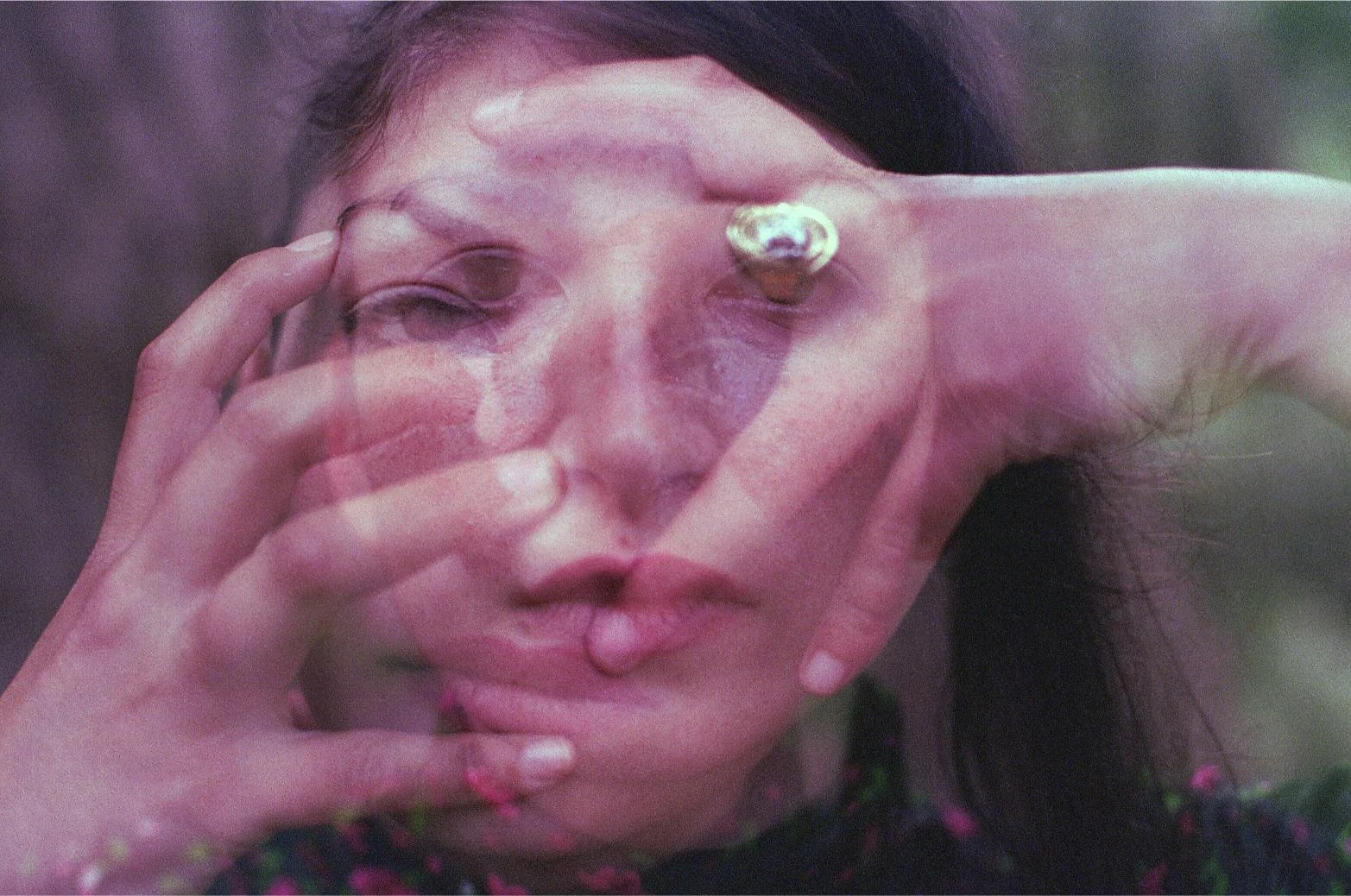
That idea becomes especially powerful in Crossing the Blue Bridge, a film rooted in her mother’s experience during the Bosnian War. Her mother once crossed the Bihać bridge carrying food in one hand while covering her daughter’s eyes with the other, protecting her from the bodies surrounding them. Decades later, Selman returned to the same bridge to reconstruct the memory through her own body and camera.
Selman describes the experience through the idea of transgenerational trauma: memories that can inhabit us even when we did not personally experience the event. “Even if you did not live or you were not aware of it, you somehow lived through the memories of dear people,” she says.
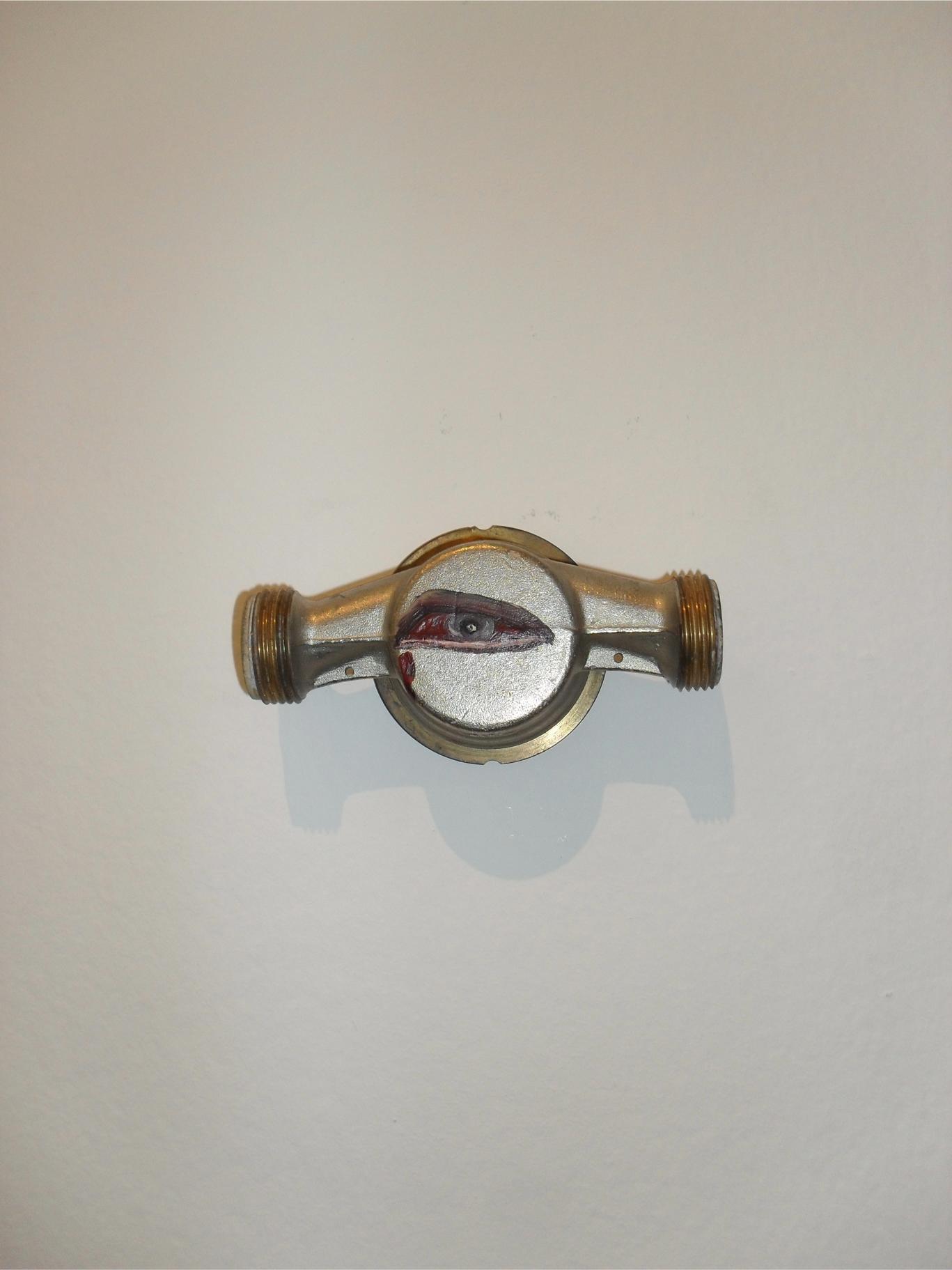
Elsewhere, her paintings on salvaged metal connect directly to her family’s history of scrap-metal work. What began for Selman as an economic necessity became an artistic language. “In a very, I would say, maybe paradoxical, symbolic way makes me an alchemist,” she tells us, describing how she learned to dismantle machines and recover materials before transforming them into something new.
Leaving 1000 Tears, the strongest impression is that Selman does not offer easy answers. She offers questions, fragments and possibilities. Her hope is not passive optimism, but something constructed from experience, pain and resistance.
“I don’t like to tell you how you think. You think the way you think,” she says. “I did my job.”