- Date
- 29 DECEMBER 2025
- Author
- BRAW HAUS
- Image by
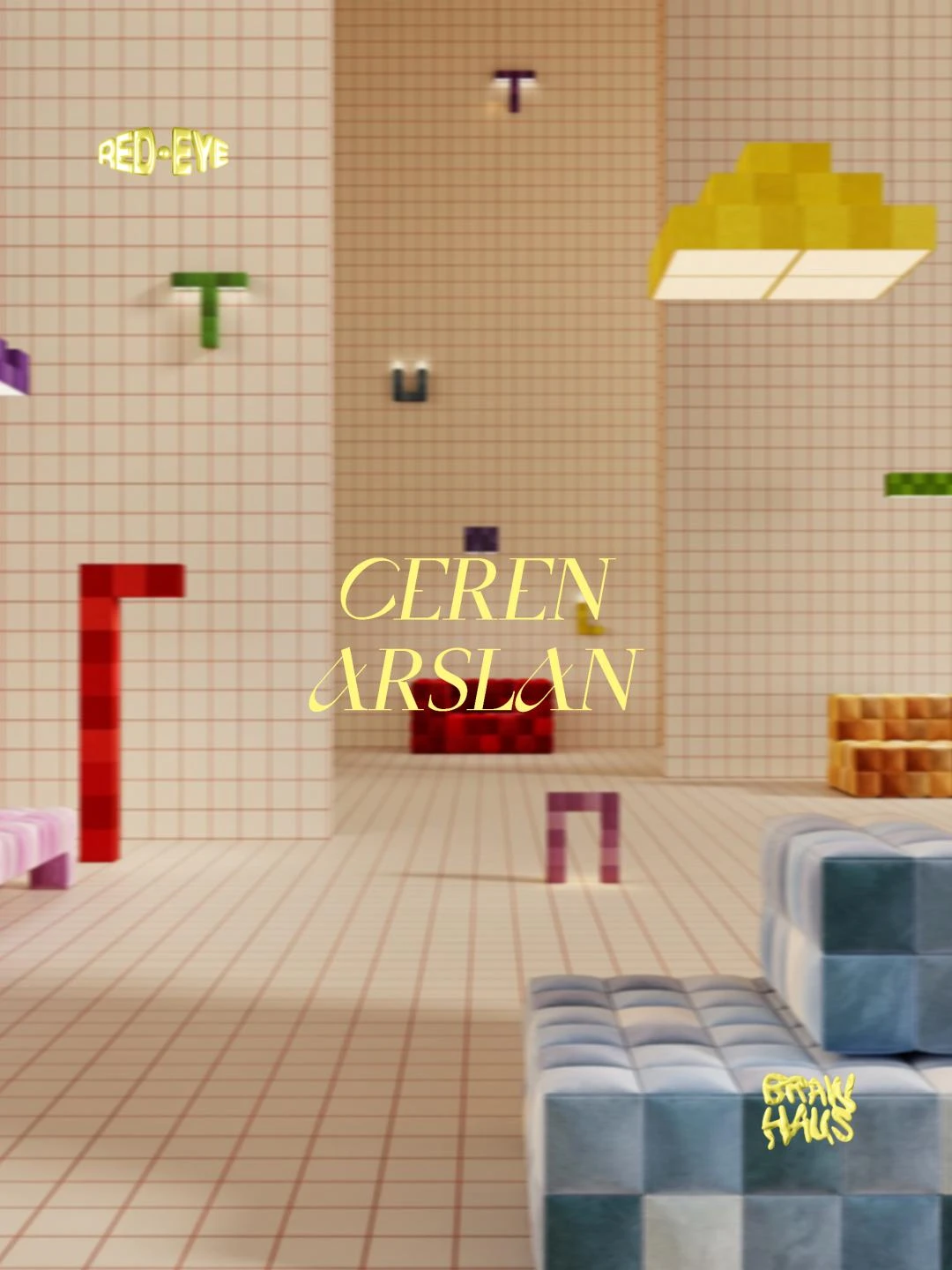
- CEREN ARSLAN
- Categories
- Interviews
Ceren Arslan: Inside EXIT, the New York Spatial Design Studio Redefining Architecture, Digital Art & Emotional Space
In an era where architecture, digital art and experiential design increasingly overlap, Ceren Arslan is emerging as one of the most compelling voices shaping the future of spatial storytelling. Based in New York City, the architect and spatial designer is the founder of EXIT, a multidisciplinary creative project operating at the intersection of architecture, interior design, digital environments and emotional experience. This feature is part of RED-EYE’s ongoing collaboration with Braw Haus, spotlighting the creatives shaping contemporary visual culture.
With a background that includes training at Kelly Wearstler, KPF and SHoP Architects, and her current role as a designer at the globally renowned creative agency Bureau Betak, Arslan has contributed to major cultural productions for leading names including Tiffany & Co., Stone Island, Tory Burch, and Spotify x The Weeknd. Through EXIT, she has collaborated with fashion label Les Benjamins, product designers Pietro Franceschini and Essesi, and musicians and record labels such as Carlita and DJ Tennis.
Recognised by Architectural Digest, Forbes, Dezeen, Design Wanted and ArchDaily, and presented at key international platforms including Milan Design Week, NYCxDesign and Zona Maco CDMX, EXIT stands as both studio and philosophy — a departure point where imagination, emotion and spatial design converge.
At RED-EYE and Braw Haus, we step inside Arslan’s evolving universe to explore how EXIT is redefining the future of architecture and immersive design.
What inspired the name EXIT?
The story of EXIT actually begins before the name itself. It starts with the way I approached design and imagination in my early career. Right after graduating from the architecture school, I started to work at a large-scale architecture firm. I was working on remote projects and realized that my time was not truly spent on design. Most of it was used to train for the practical realities of the profession. This led me to start designing my own spaces as a form of creative release. Even before it had a name, EXIT had already been a mindset for me. It was a way to step beyond constraints, explore possibilities, and expand the boundaries of how I thought about architectural spaces and imagination.
Late evenings and weekends became a private laboratory. I would lose myself for hours in 3D software, fully immersed in crafting spatial stories while listening to music that moved me. These sessions became mental escapes where I could express myself freely and let my imagination run wild. Over time, this practice evolved into a journey of self-discovery and creative expression.
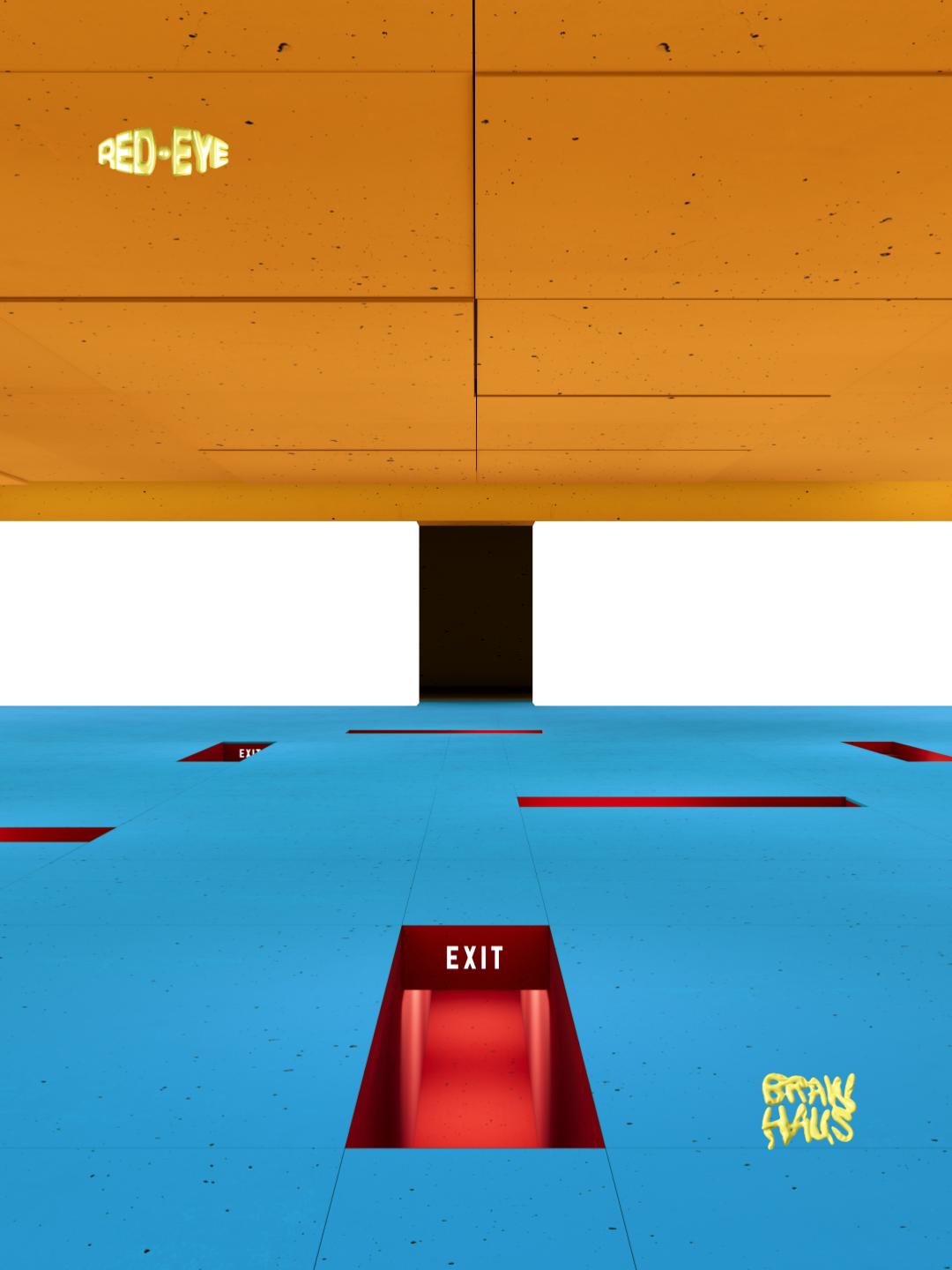
The name EXIT came from my fascination with the idea of departure, not in the literal sense of leaving, but as an emotional step outside familiar patterns. It embodies the in-between spaces that exist between reality and imagination, design and fiction. EXIT represents that threshold, an invitation to move beyond ordinary structures of perception. It is about questioning what is real, what is possible, and how design can create psychological spaces rather than merely physical ones. The word itself carries both action and freedom; it is simultaneously a command and a possibility. That very ambiguity became the foundation of the entire project.
Your EXIT works often use just one main color and minimal details, yet they still create a strong emotional impact. How do you choose your colors and textures to set the mood or surprise the viewer?
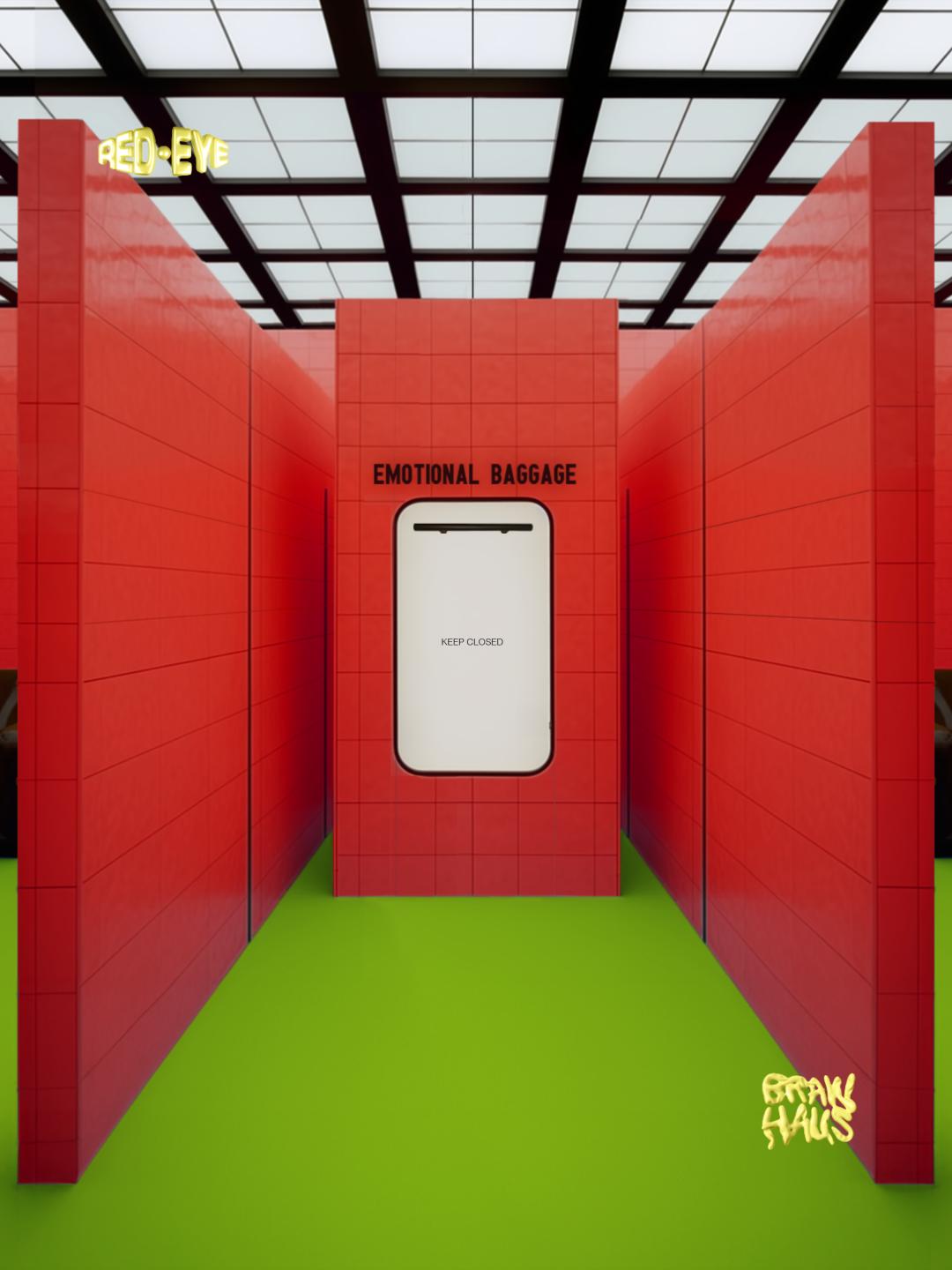
Color is more than just appearance, it carries emotion and sets the tone of a space. When I choose a color, I start by thinking about the feeling I want the viewer to experience. Sometimes it’s calm and meditative, other times it’s intense or disorienting. I consider both the psychological impact of the hue and how it interacts with light and texture. Minimal details allow the chosen color to take center stage, letting its emotional resonance emerge fully. Textures add subtle rhythm, small contrasts or unexpected surfaces that make the space feel more human. Together, color, texture, and minimalism create layered emotions, giving depth and resonance to the design while inviting the viewer to pause, reflect, and feel.
Do you sell your digital artworks? If so, could you share who typically collects your work and how you approach the process of showcasing and selling your pieces?
Yes, I sell my works through my website, where collectors can explore and purchase digital pieces directly. In addition, I create physical works and prints, which I share and sell through galleries I collaborate with. These partnerships allow my work to reach a wider audience and offer viewers a tangible experience of the pieces. Collectors are often individuals who are drawn to the emotional and immersive qualities of the work, and I approach showcasing and selling each piece with the intention of creating a meaningful connection between the artwork and its audience.
Are you incorporating AI in your workflow? If yes, how, in which step of your process and which programs do you use?
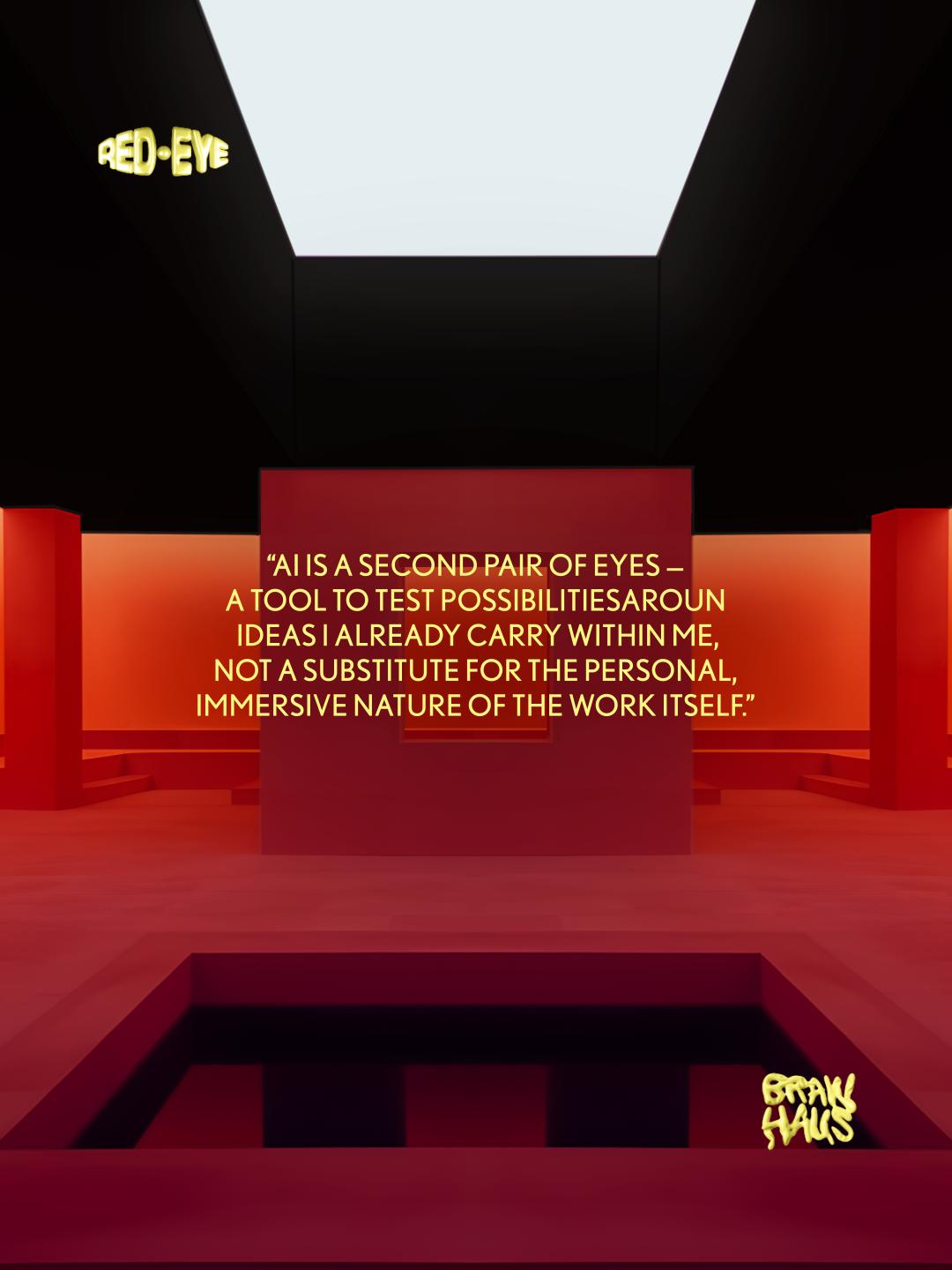
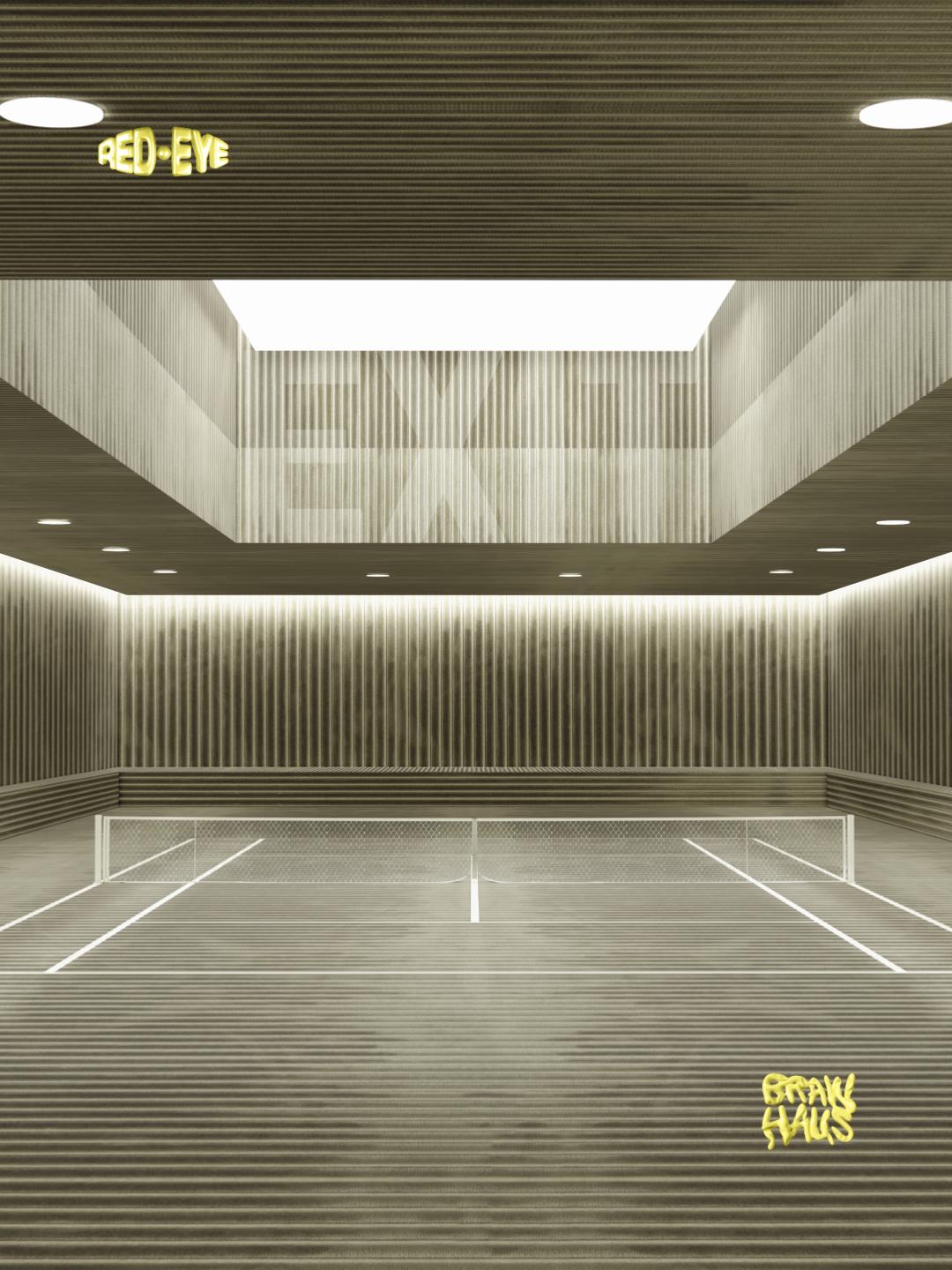
Yes, I use AI as a kind of second pair of eyes in my workflow. For a very few projects, such as EXIT059 – Sound On, EXIT063 – Souvenirs, EXIT066 – Church of Saint Lourdes of the Holy Flutes, and EXIT065 – Walk of Shame, I already had a clear vision of the spaces, and I used MidJourney to experiment with prompts that could help me visualize them. AI acted as a tool to explore possibilities and refine ideas I already had in mind. For the rest of the EXIT works, I prefer to build and shape everything myself in 3D, keeping the process deeply personal, immersive, and fully aligned with my creative intuition.
What would be your dream project?
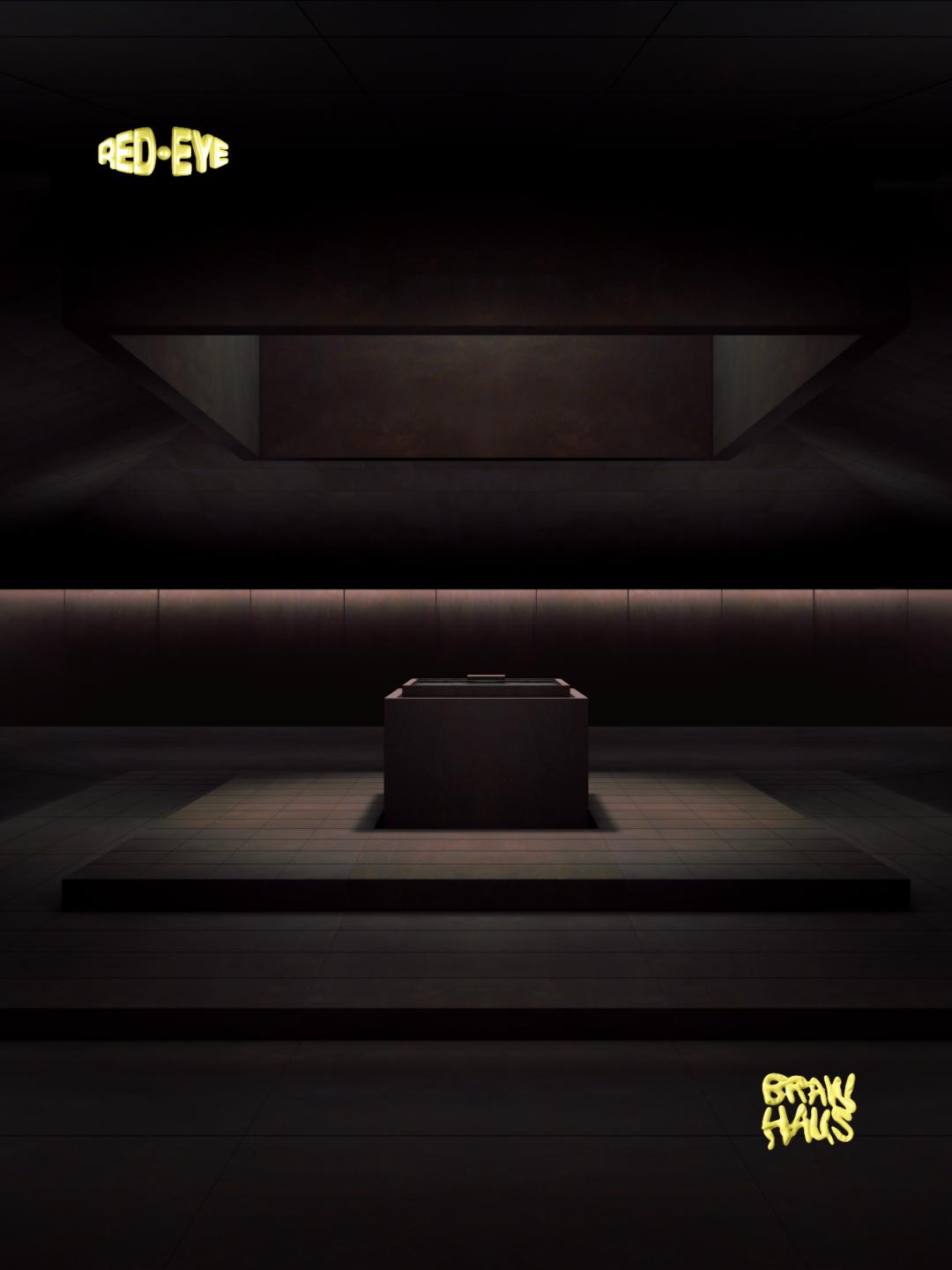
My dream project would be designing and creative directing the sets for a movie, a world where every space contributes to the story, emotion, and psychology of the characters. I imagine creating environments that feel alive and immersive, blurring the line between reality and imagination. Every detail, from color and texture to light and scale, would be carefully crafted to guide the audience’s experience and evoke a visceral response. It would be a project that allows me to experiment with narrative through space, making the surroundings themselves a character in the story.
With whom would you like to collaborate and why?
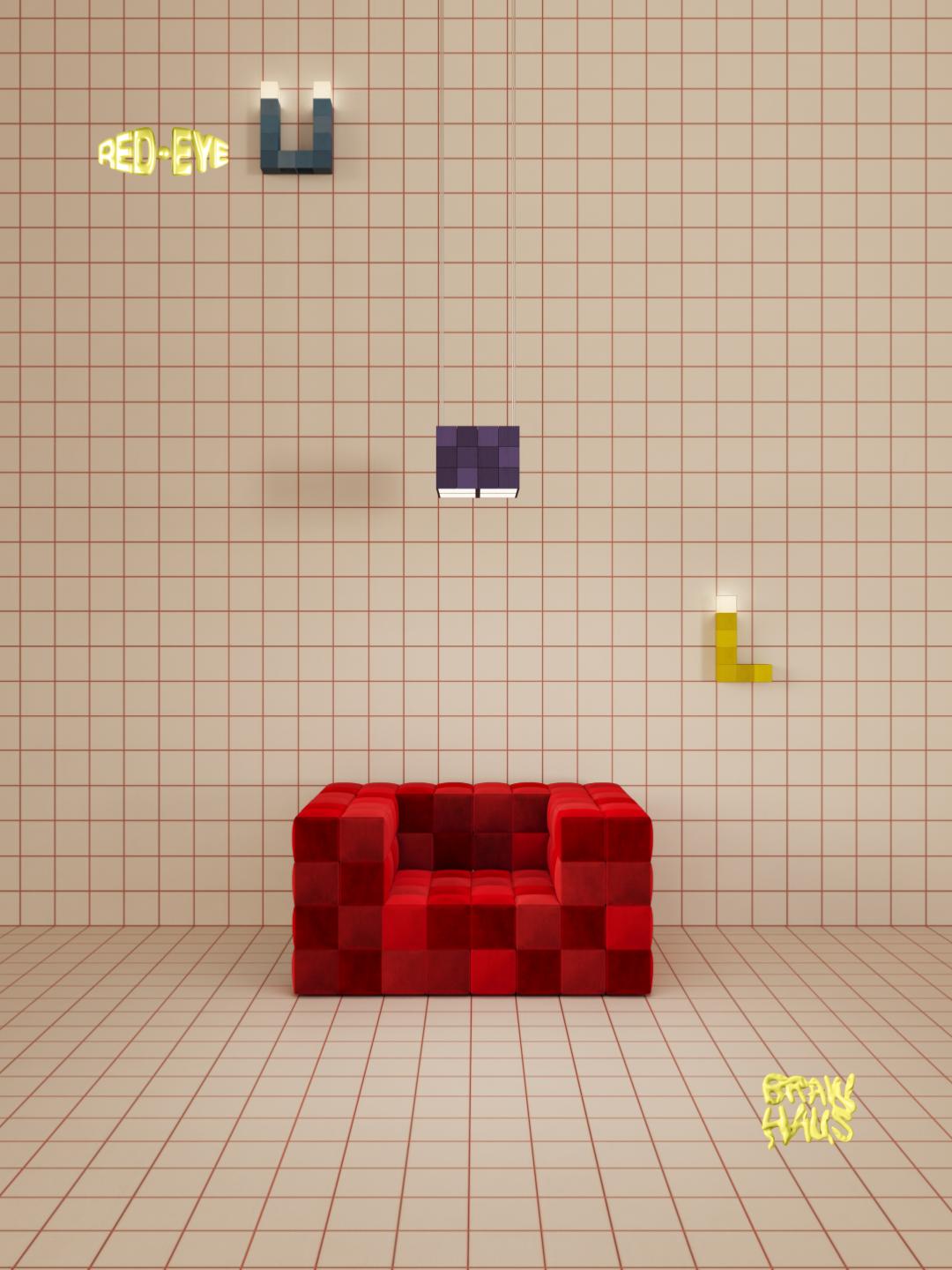
I’m drawn to collaborators who push the boundaries of their own mediums, whether they are artists, musicians, fashion designers, product designers, or others. For me, collaboration is a dialogue between different disciplines, and I am excited by the opportunity to expand EXIT’s perspective through these exchanges. The first thing that comes to mind is exploring the world of theater, where work is intrinsically poetic and experiential. It would be a dream to contribute to a performance as a set designer, creating environments that deepen the narrative and allow the audience to step fully into the imagined world.
What is next for EXIT?
EXIT is entering a phase where the digital begins to transform into physical worlds. I’m developing installations, sculptural works, and architectural interventions that translate EXIT’s visual language into tangible, inhabitable spaces, bringing it into the real world, as has always been the original intention. The goal is for people to experience these spaces physically: to walk through them, sense their scale, and engage with their materiality. Moving forward, I want to continue creating physical spaces with EXIT that exist between imagination and lived experience.