- Date
- 13 MAY 2026
- Author
- DANIEL FACE
- Image by
- MOAA
- Categories
- Aesthetics
New Materialities at Venice Biennale: MoAa and the Birth of AI in the Physical World
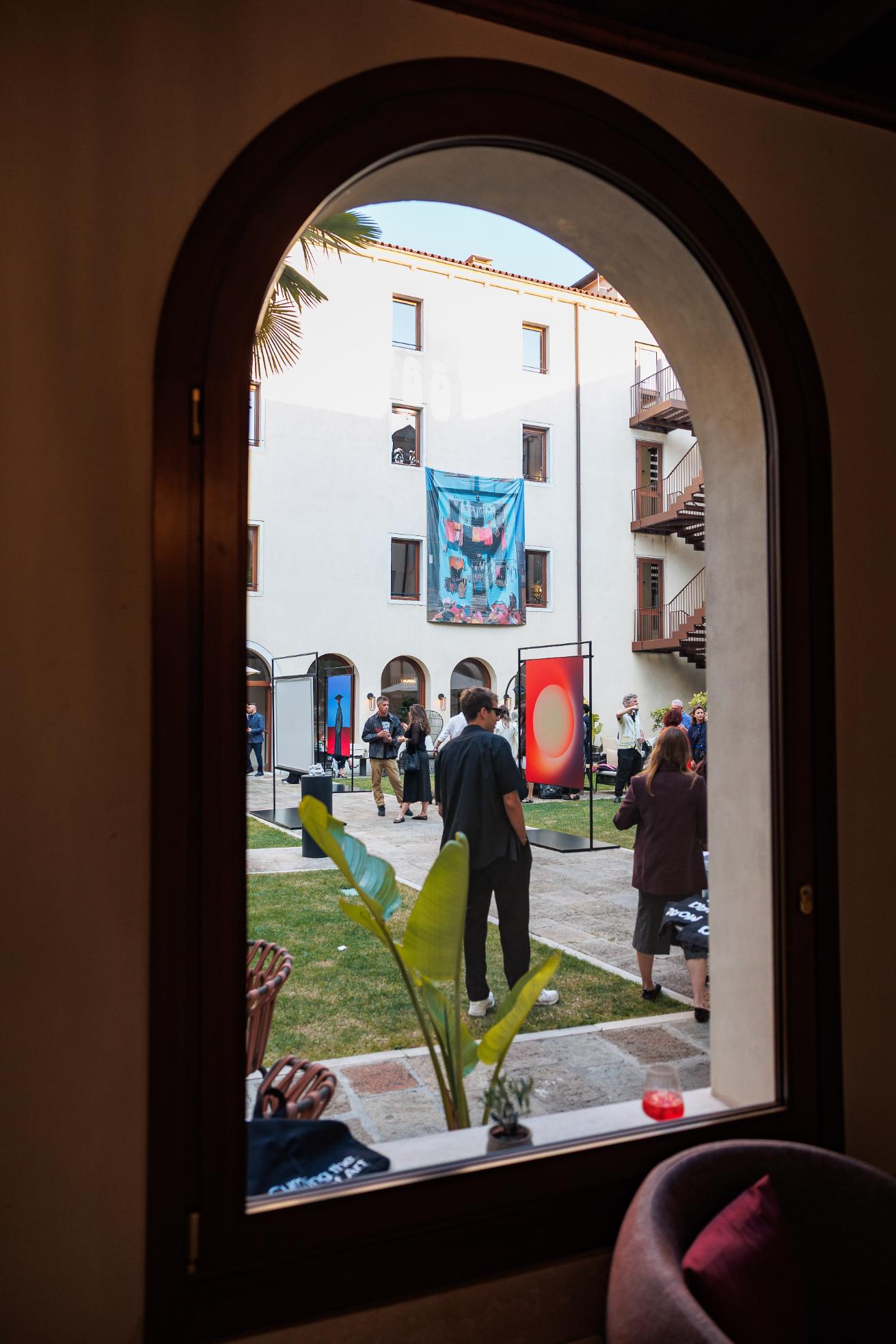
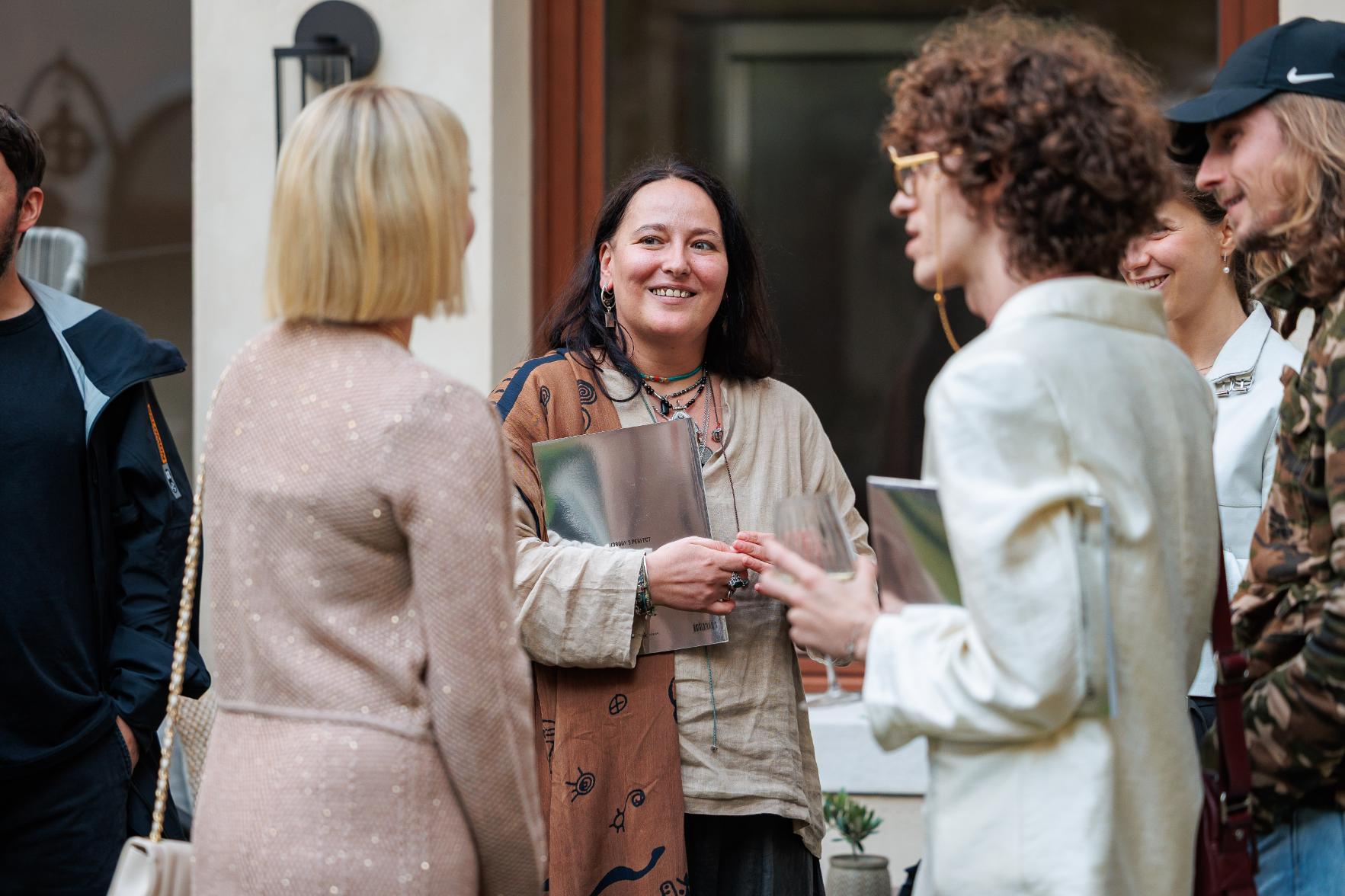
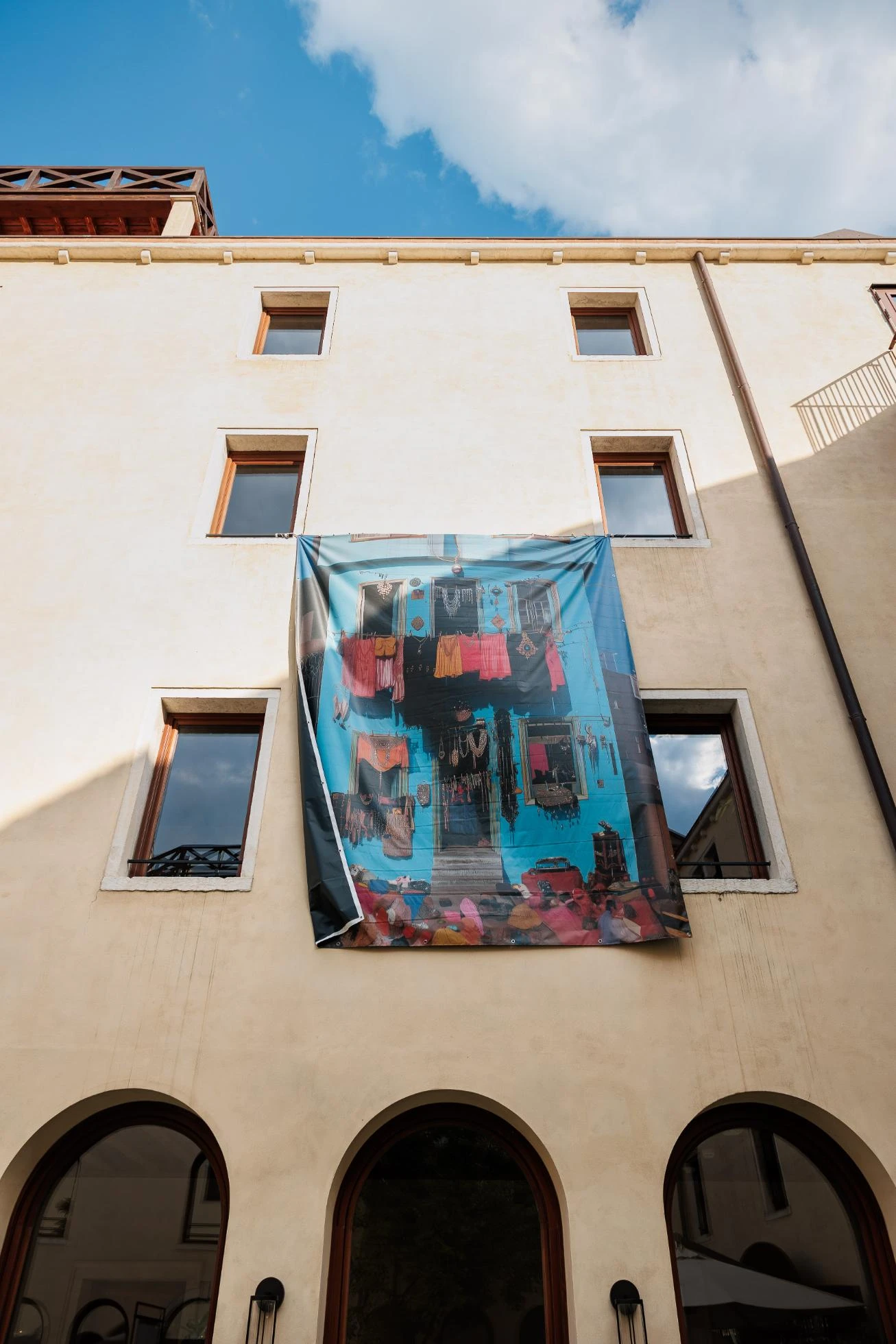
There are moments in culture that don’t announce themselves loudly. They unfold quietly, almost imperceptibly, until suddenly they feel undeniable. In Venice, during the opening of the Biennale, the Museum of Artificial Art (MoAa) gathers artists, curators, and collectors in the courtyard of Ca’ di Dio for an intimate salon that feels less like an event and more like a marker of something emerging. New Materialities is not just an exhibition preview. It signals a shift already underway. For years, AI-generated work has existed primarily on screens, circulating as images without weight or permanence. But something is changing. These images are beginning to take form, to occupy space, to become objects.
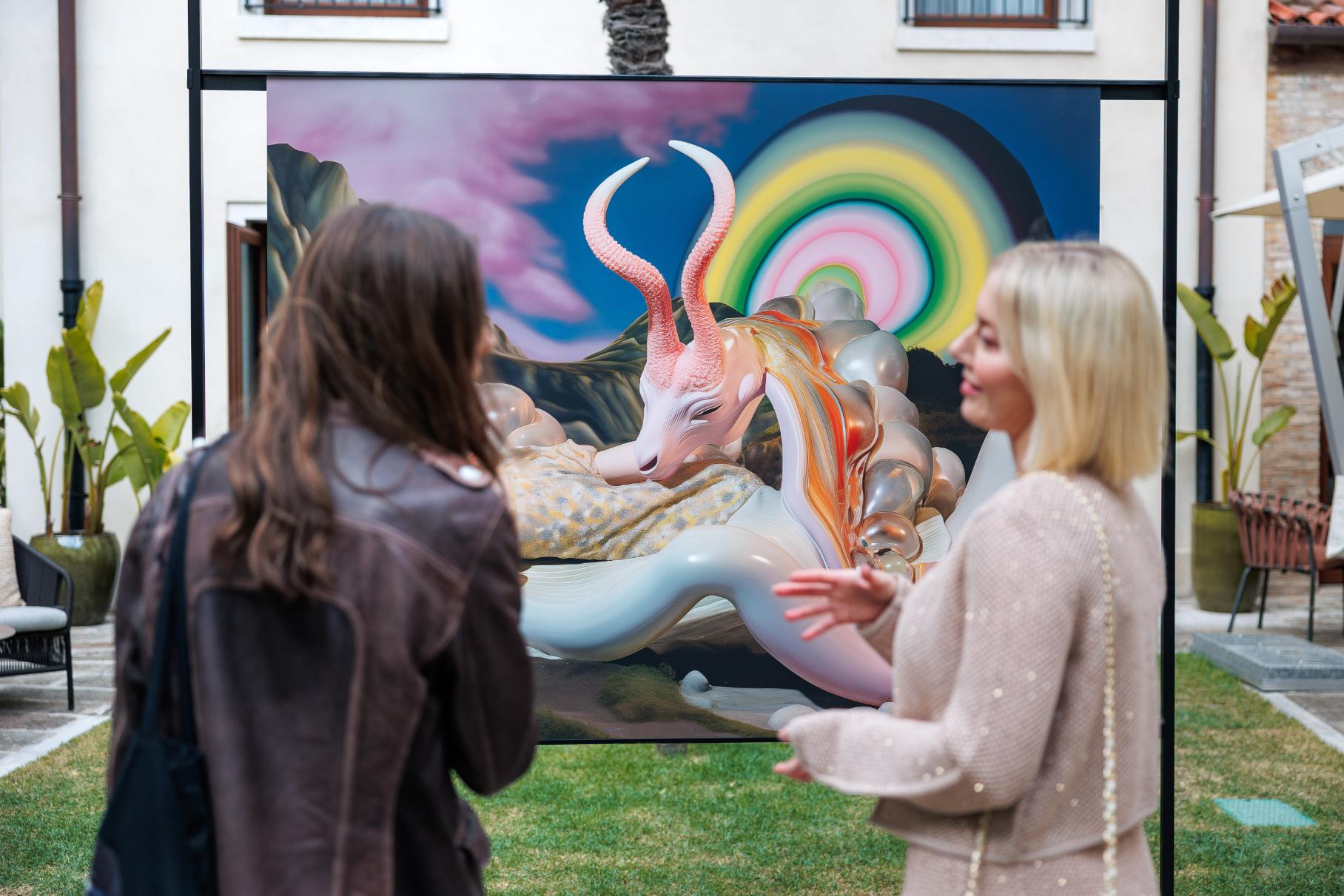
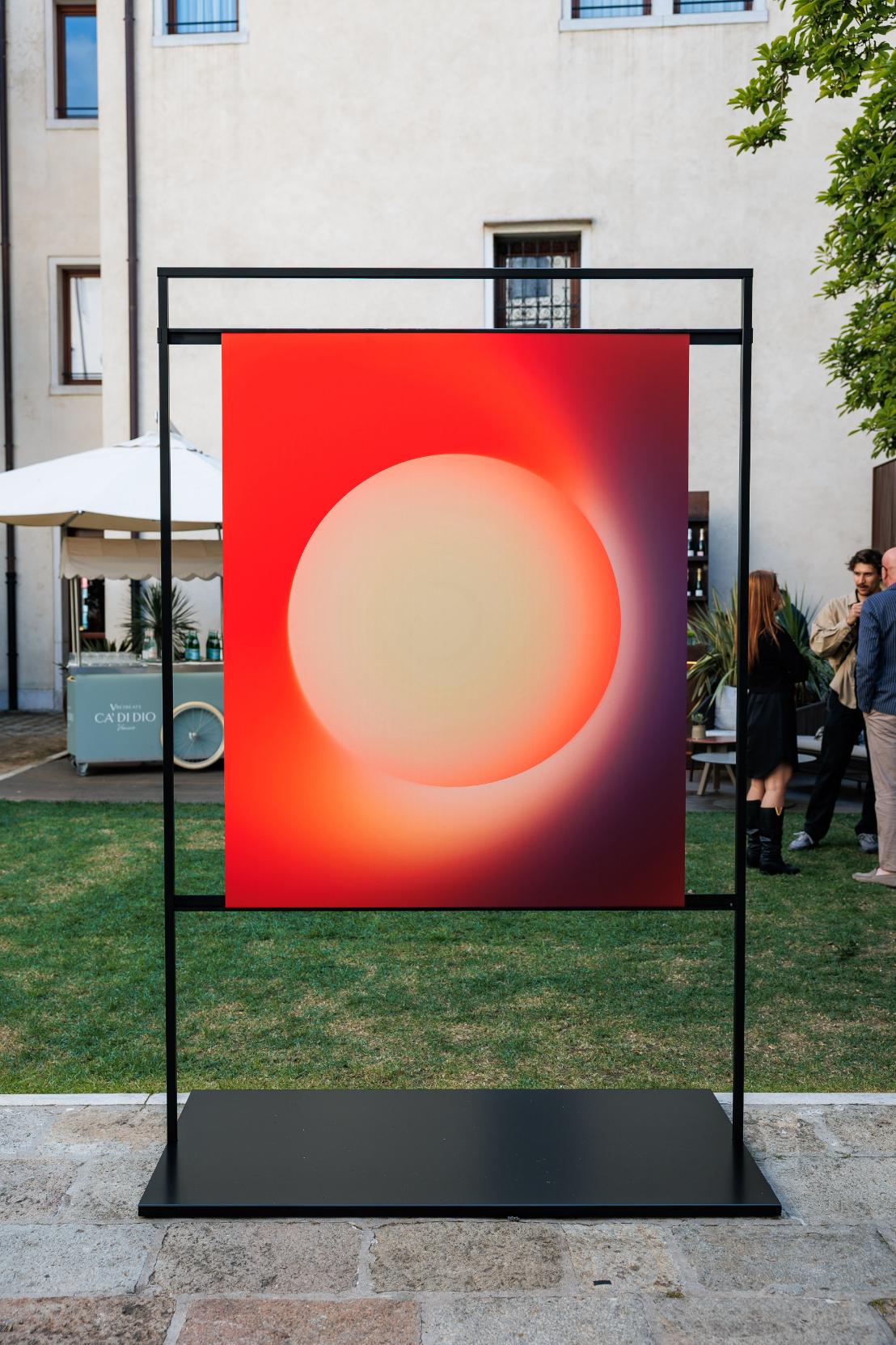
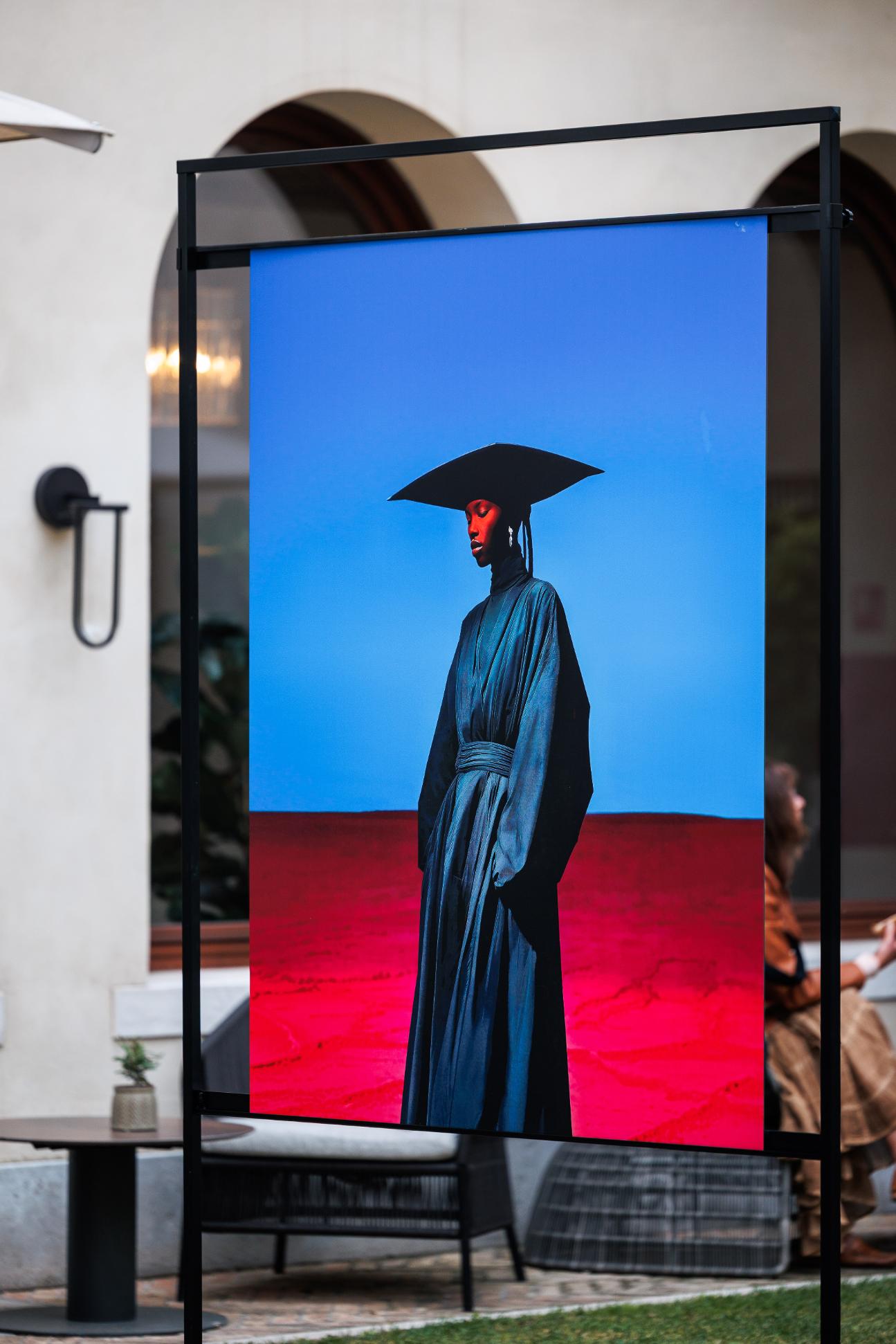
Across the works presented, there is a clear movement from the immaterial to the physical. Joy Fennell translates speculative identities into woven textile, embedding narrative into fabric. Maddy Minnis brings dreamlike, AI-generated landscapes into ceramic, giving substance to what once felt fluid and intangible. Dai presents hyper-stylised portraits on aluminum, positioning the image somewhere between surface and structure.
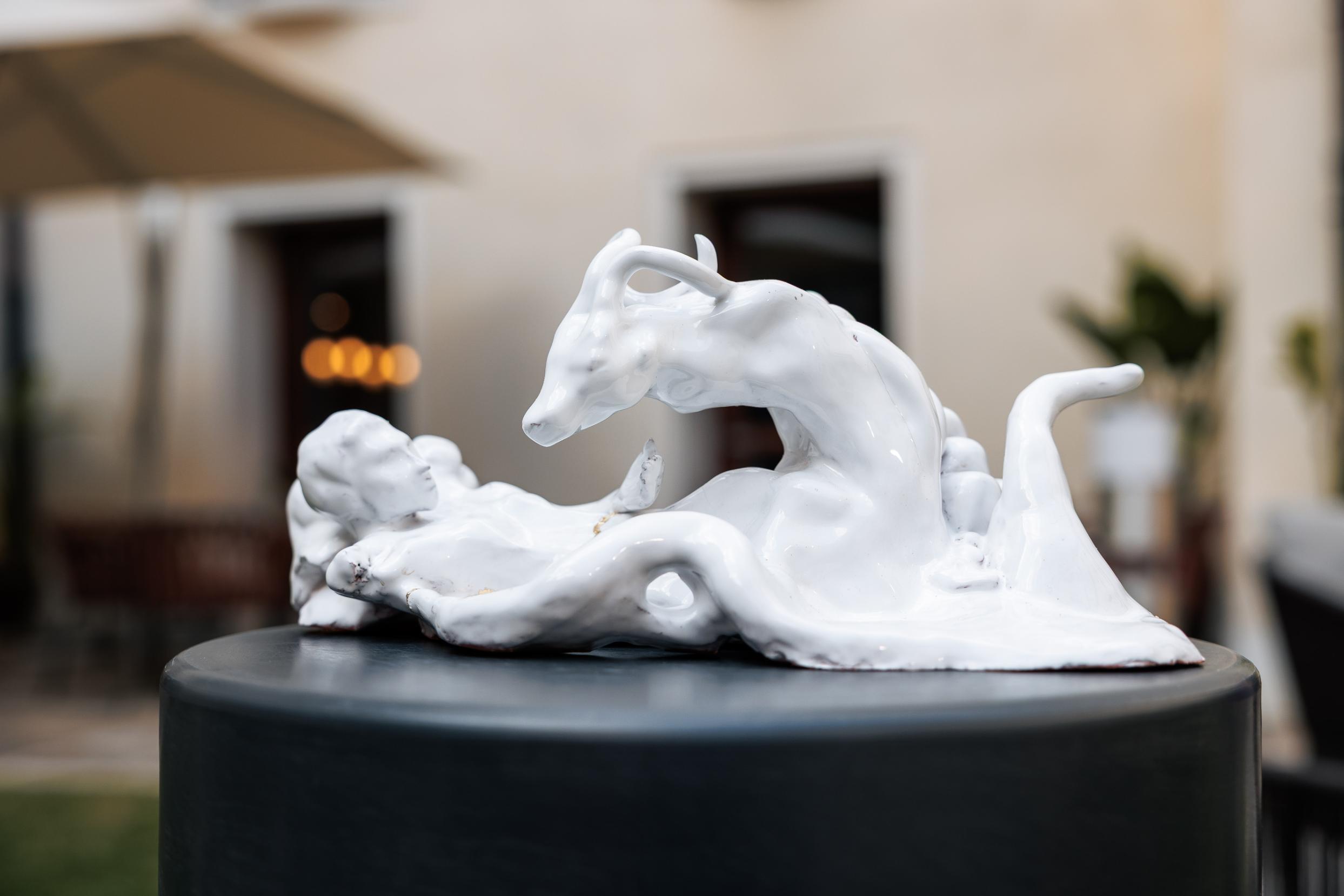
What emerges is not just a change in medium, but a broader cultural shift. MoAa is, in many ways, amplifying the early stages of a new kind of renaissance. One where artists are no longer simply using AI as a tool, but engaging with it as a collaborator in shaping visual and material language. There are echoes of the late-1960s Art & Technology movement, when artists began working alongside industry. But here, the relationship is different. AI is not just infrastructure. It is generative, interpretative, and increasingly central to the creative process itself.
In Venice, this shift becomes tangible. parallel.fbx transforms the architecture of Ca’ di Dio through projection, layering cultural memory onto its surfaces. Zach Lieberman he uses poetic code to generate light and color phenomena works with light as a material, creating forms that shift with perception, existing somewhere between presence and disappearance.
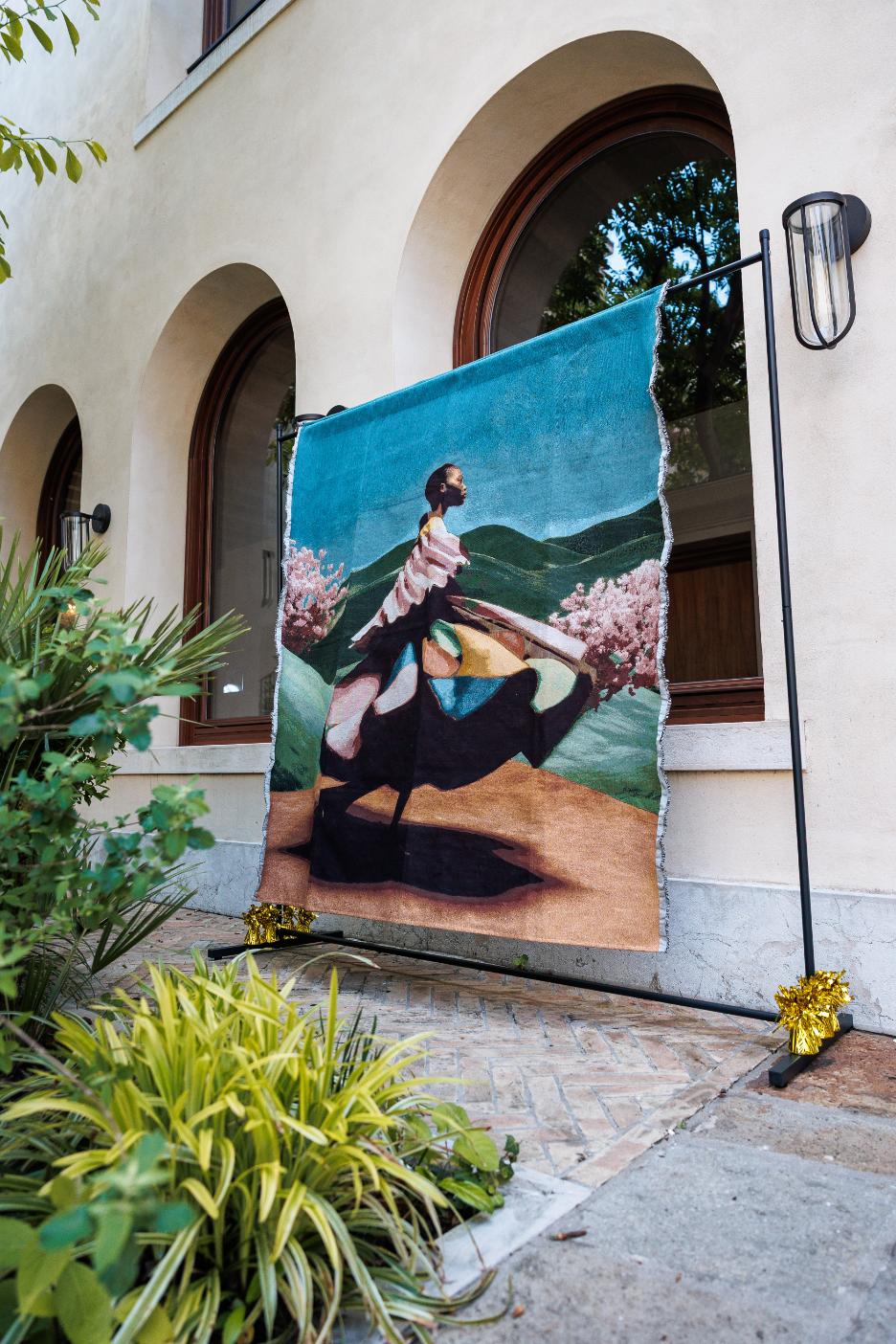
Standing within the courtyard of Ca’ di Dio, there is a sense that we are witnessing a beginning. AI is no longer confined to generating images. It is entering the physical world, shaping objects, environments, and experiences in real time. MoAa does not frame this as a conclusion, but as an opening. A first articulation of what it means for AI to move beyond the screen and into material reality. And in Venice, surrounded by centuries of art history, that transition feels particularly charged. A new chapter is not being declared. It is being quietly, but unmistakably, formed.