- Date
- 27 JULY 2026
- Author
- DANIEL FACE
- Image by
- PRESS OFFICE
- Categories
- News
The Future Doesn’t Walk the Traditional Runway. Inside Feeric Fashion Week 2026.
Inside Feeric Fashion Week, where Romanian heritage, radical fashion education and emerging designers are reshaping the industry from the ground up.
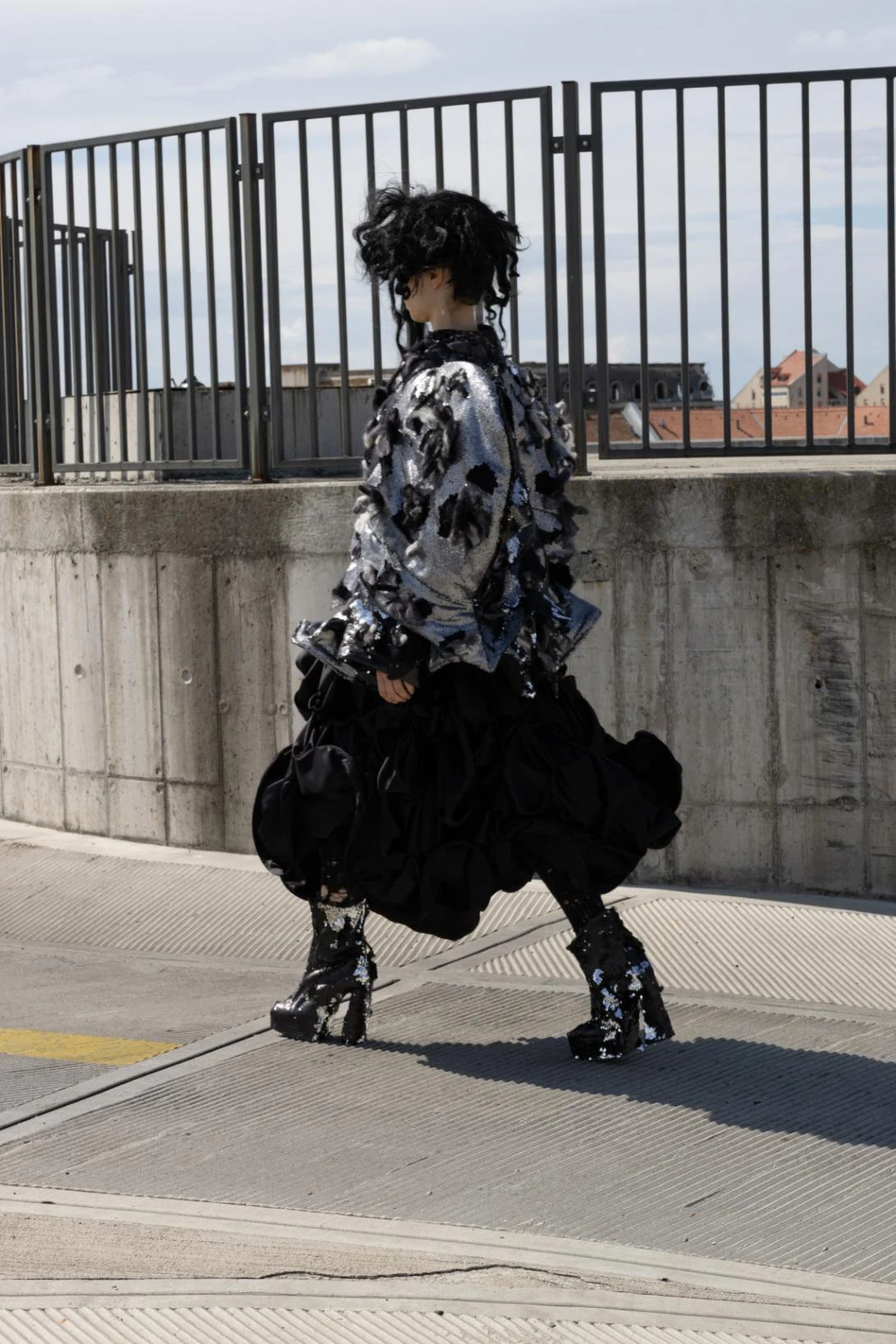
Fashion rarely stands still at Feeric Fashion Week. It climbs rooftops, inhabits industrial warehouses and transforms unexpected corners of Sibiu into temporary catwalks where architecture becomes as much a part of the narrative as the garments themselves. Here, the runway is never simply a stage; it is an invitation to see fashion differently.
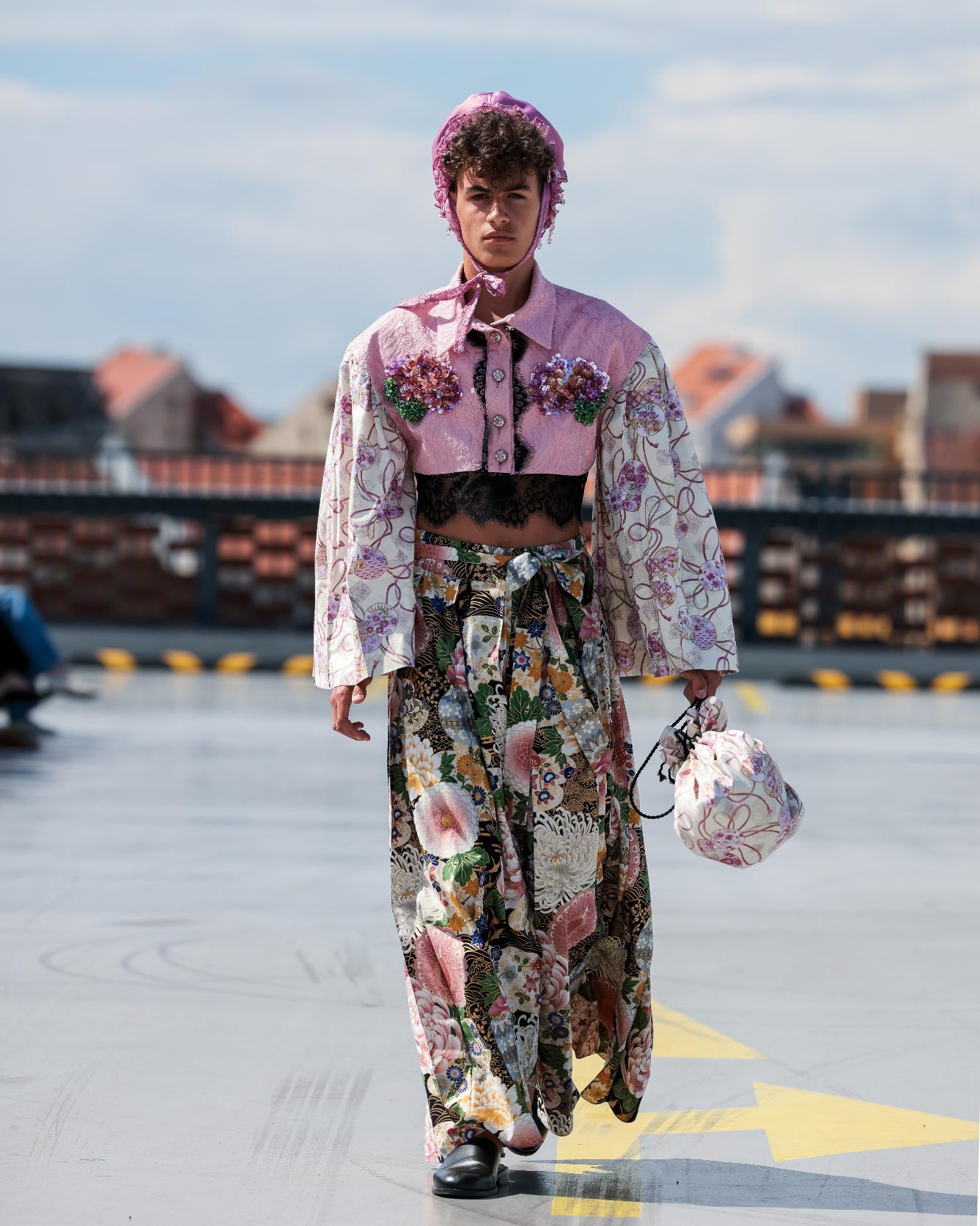
While much of the international calendar remains fixated on heritage luxury houses and celebrity front rows, Feeric has quietly established itself as one of Europe’s most compelling platforms for emerging talent. Since its inception, the Romanian fashion week has championed independent designers, fashion schools and experimental formats that challenge conventional ideas of where—and how—fashion should be experienced.
This year’s edition continued that mission, bringing together institutions and creatives from across Europe and beyond. From the Academy of Music, Theater and Fine Arts to Athens Fashion Club, the University of Art and Design Cluj-Napoca, West University of Timișoara, Cracow School of Art and Fashion Design, Helwan University, the University of Zagreb, the University of Arts Belgrade and many more, Feeric became a meeting point for diverse perspectives connected by a shared desire to push fashion forward.
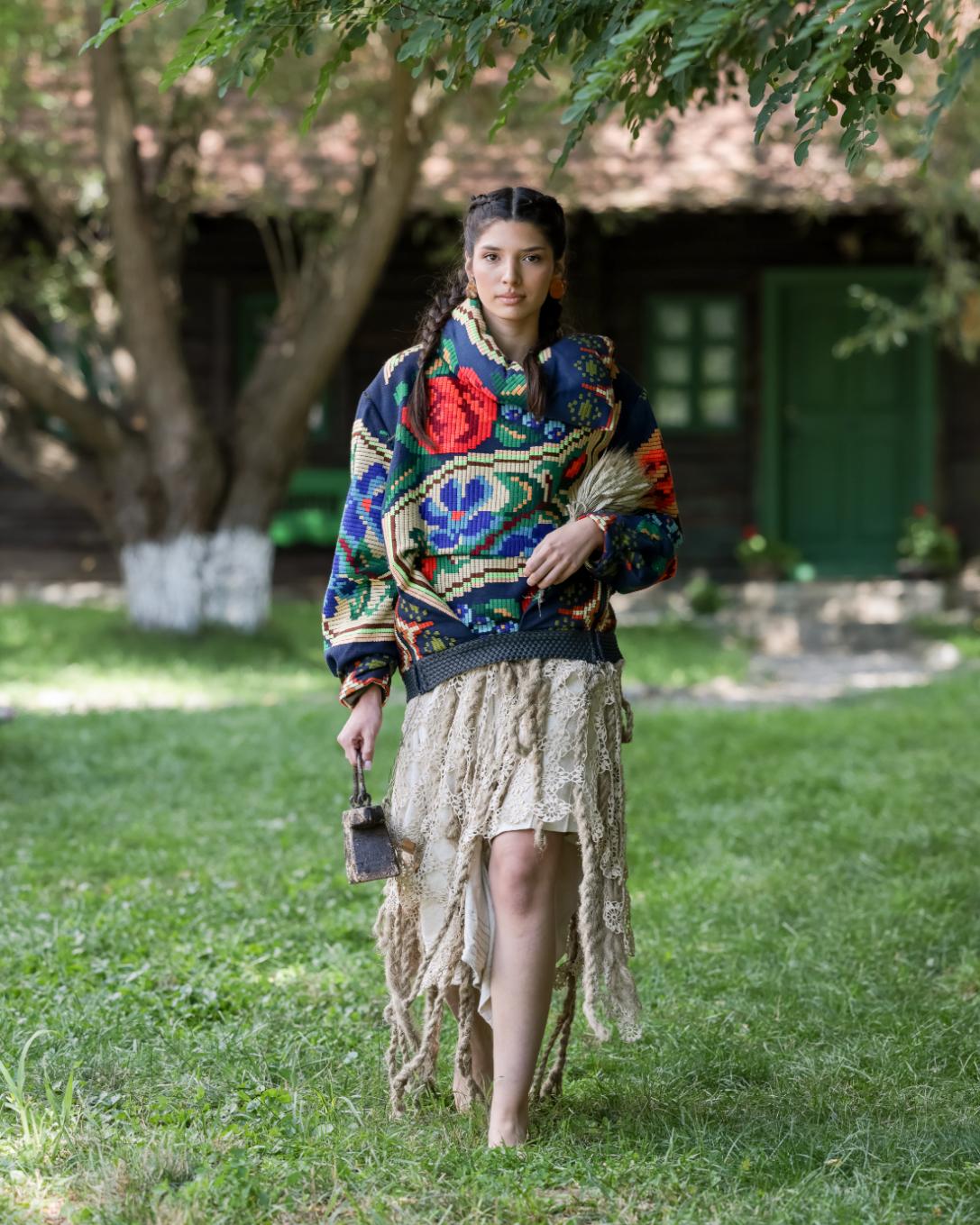
Yet despite the geographical breadth, a common thread emerged throughout the week. Many collections were less interested in forecasting trends than in exploring identity, craftsmanship and cultural memory. Sustainability was approached not as a marketing slogan but as a practice rooted in making, repairing and preserving. Traditional techniques sat comfortably alongside sculptural silhouettes and contemporary styling, proving that innovation often begins with understanding where we come from.
One of the week’s strongest presentations came from the graduates of the University of Art and Design in Cluj-Napoca. Their collections explored haute couture through tactile experimentation, combining hand embroidery, textile collage and fabric manipulation with clean, architectural volumes. Rather than recreating tradition, they questioned how inherited techniques could evolve within contemporary fashion.
Elsewhere, designers from the West University of Timișoara offered deeply personal narratives. One collection reflected on the dialogue between the body and technology, another drew inspiration from Japanese philosophy and self-discovery, while others celebrated the marks left by time and the individuality found in natural crystals and minerals. Together, they revealed a generation of designers more interested in asking questions than delivering easy answers.
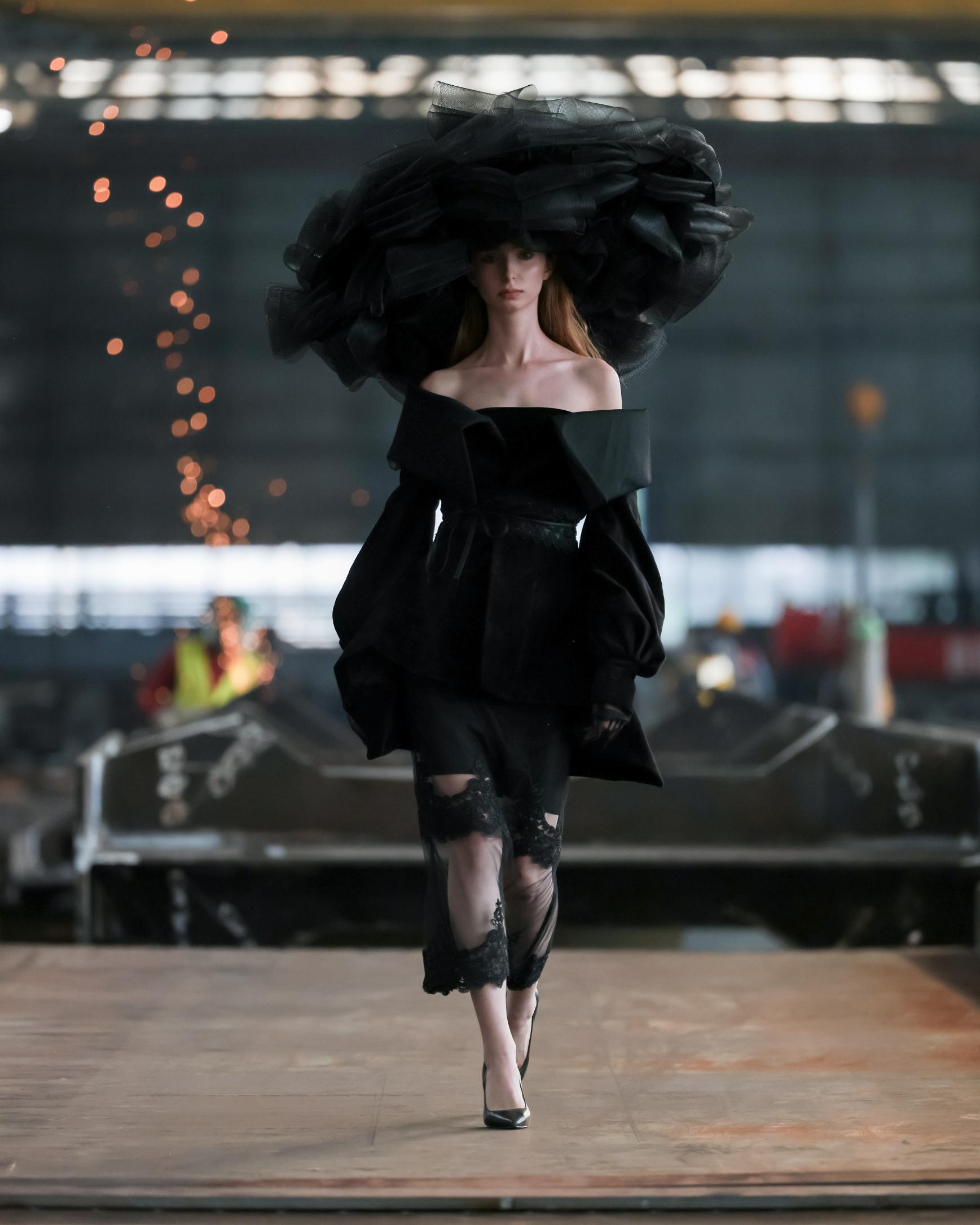
Feeric’s locations amplified these conversations. At Sigemo Warehouse, raw industrial architecture heightened the materiality of the garments, allowing texture and construction to take centre stage. Later, the rooftop of Promenada Sibiu became an open-air runway overlooking the city, where fashion entered into dialogue with the urban landscape. Throughout the week, space was never merely a backdrop—it became an active collaborator in each collection’s storytelling.
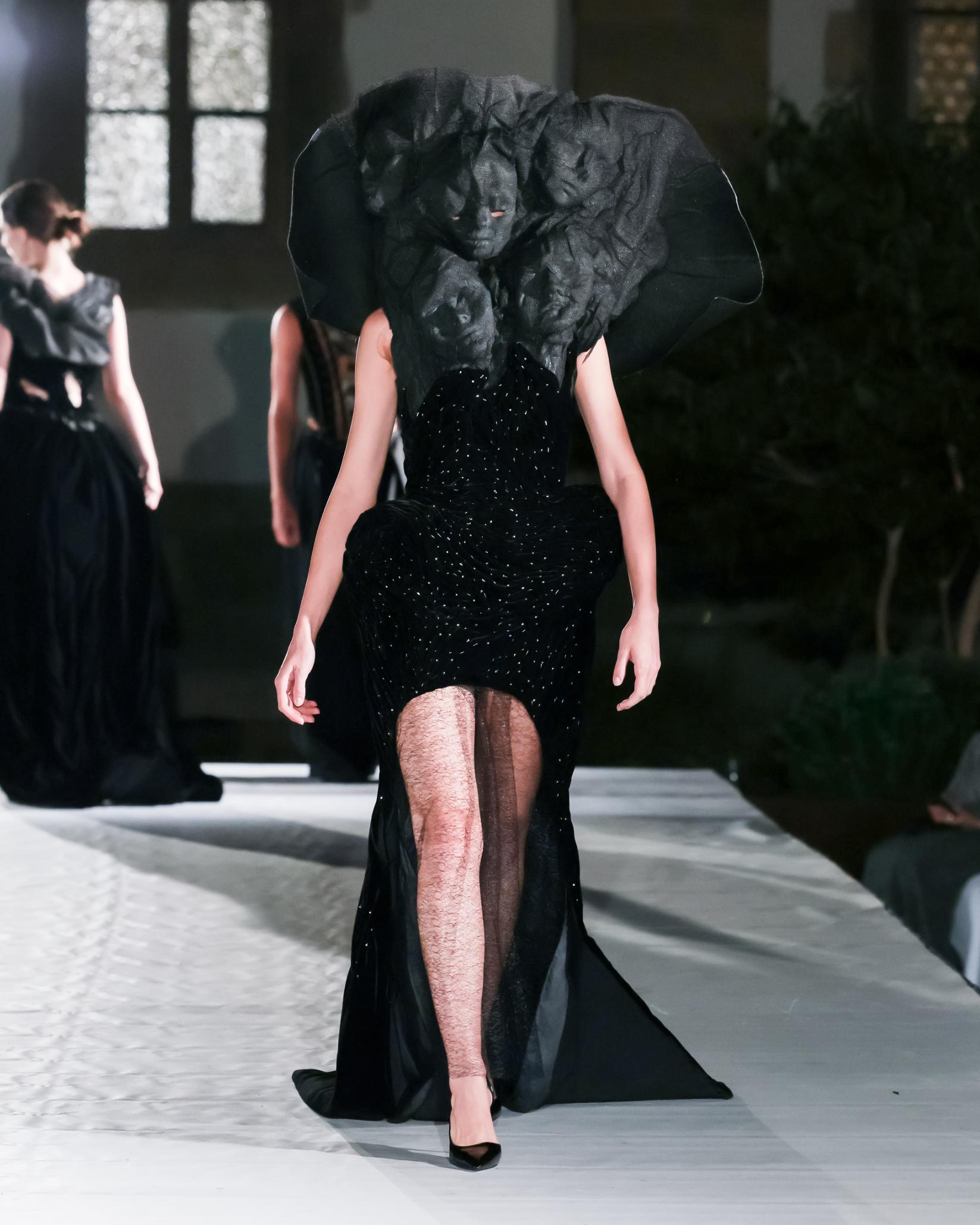
Perhaps this willingness to embrace unconventional environments is what distinguishes Feeric from more established fashion weeks. Rather than adapting the city to fashion, it allows fashion to respond to the city, creating moments that feel immediate, accessible and deeply connected to place.
That relationship between past and present became especially apparent during a conversation with Romanian fashion journalist and television presenter Cornel Crișan, one of the familiar faces guiding audiences through this year’s edition. Reflecting on one of the week’s most poignant collections, he described garments created using textiles woven on a traditional loom more than sixty years ago by the designer’s grandmother.
“We are talking about fabrics woven on a loom 65 years ago.”
For Crișan, these pieces represented more than craftsmanship; they embodied memory itself. Asked what lesson from that heritage deserved to endure, his answer was disarmingly simple.
“To be kind and to respect others.”
It was a reminder that fashion’s most enduring legacy is not only found in silhouettes or techniques but also in the values passed from one generation to the next. Across Feeric, this idea resurfaced repeatedly. Designers looked to family histories, regional traditions and local artisans not to romanticise the past but to imagine new futures built upon it.
Crișan also reflected on Romania’s broader creative identity.
“We have a very, very big history behind us, and I’m happy that we can take it to the next generation.”
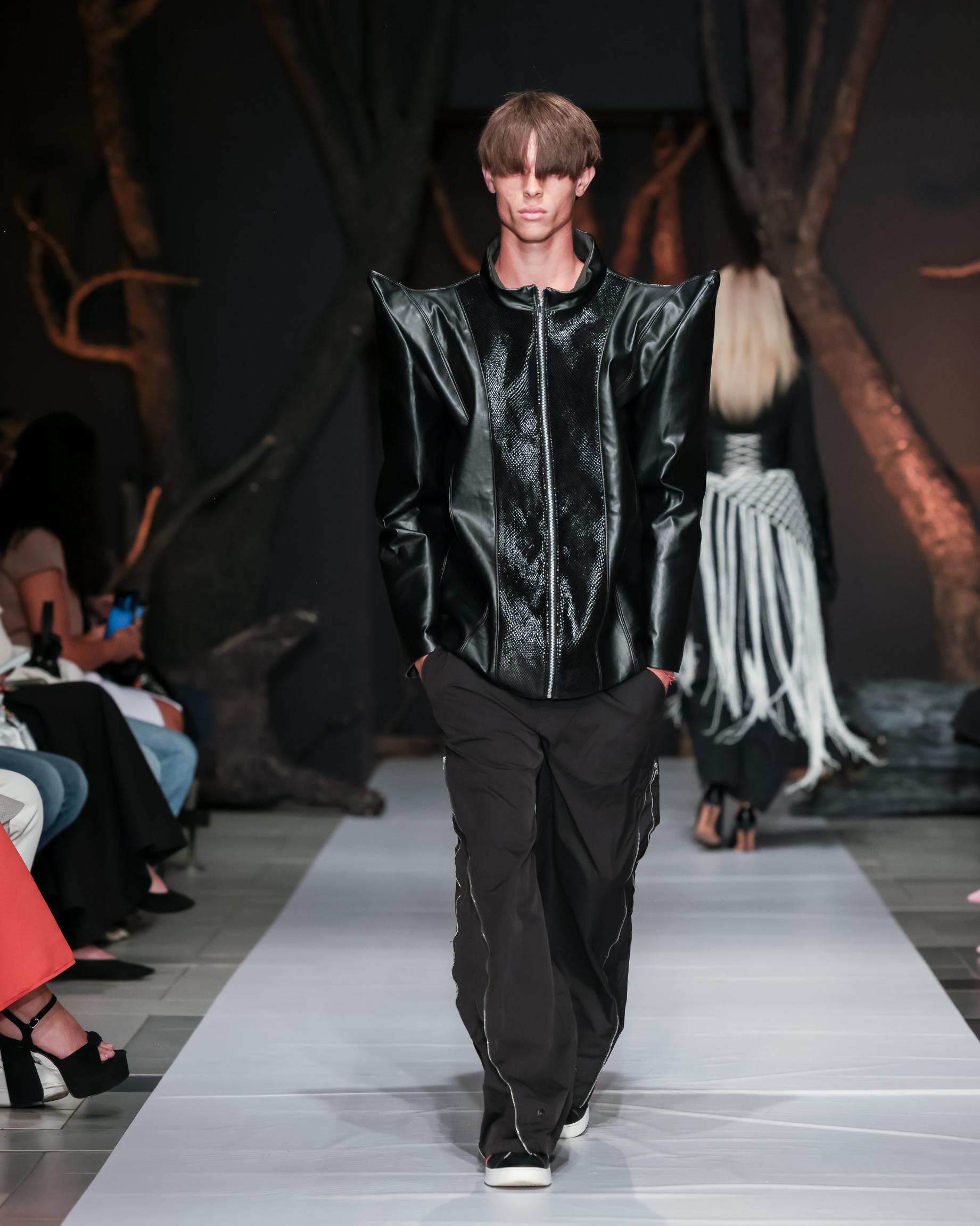
His words echoed what was visible throughout the week. Romanian fashion is no longer defined solely by its heritage; it is increasingly recognised for its ability to reinterpret that heritage through contemporary design, supported by institutions that continue to nurture ambitious young talent.
Beyond the collections themselves, Feeric offered something increasingly rare within the global fashion landscape: optimism. At a moment when conversations around fashion often revolve around commercial pressure, overproduction and creative fatigue, Sibiu presented an alternative model—one centred on education, collaboration and experimentation.
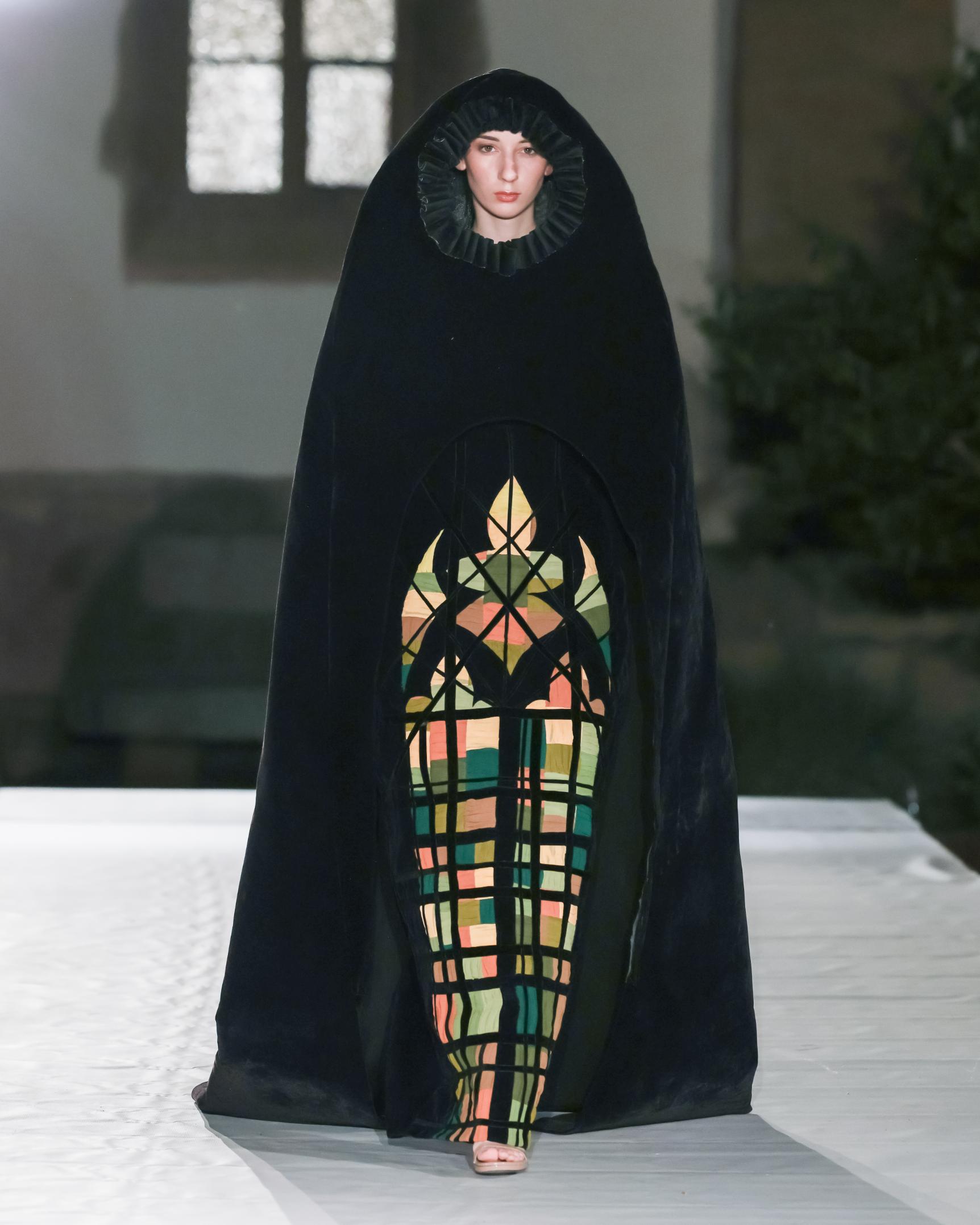
There were no rigid boundaries between established voices and newcomers, between craftsmanship and technology, or between local identity and international dialogue. Instead, Feeric demonstrated that the future of fashion is shaped through exchange: between generations, disciplines and cultures.
As the industry continues to search for the next big idea, perhaps it should spend more time looking towards places like Sibiu. Not because Feeric claims to have all the answers, but because it continues to ask the right questions.
The future, it turns out, doesn’t walk the traditional runway. Sometimes it appears on a rooftop overlooking a medieval city, inside a warehouse filled with emerging designers, or woven into a piece of cloth made by a grandmother more than half a century ago.
And that future feels remarkably human.