- Date
- 05 AUGUST 2026
- Author
- FEDERICO RENOLDI
- Image by
- PRESS OFFICE
- Categories
- Interviews
Yueqi Qi on Her AW26 Collection, Craftsmanship and the Future of Fashion
Yueqi Qi has become one of the most exciting voices in contemporary fashion, blending couture-level craftsmanship with a distinctly modern, experimental vision. After graduating from Central Saint Martins and refining her techniques at Chanel’s embroidery atelier, the Chinese designer has built an instantly recognisable aesthetic where intricate laser-cut textiles, delicate beading and dreamlike silhouettes meet everyday wearability.
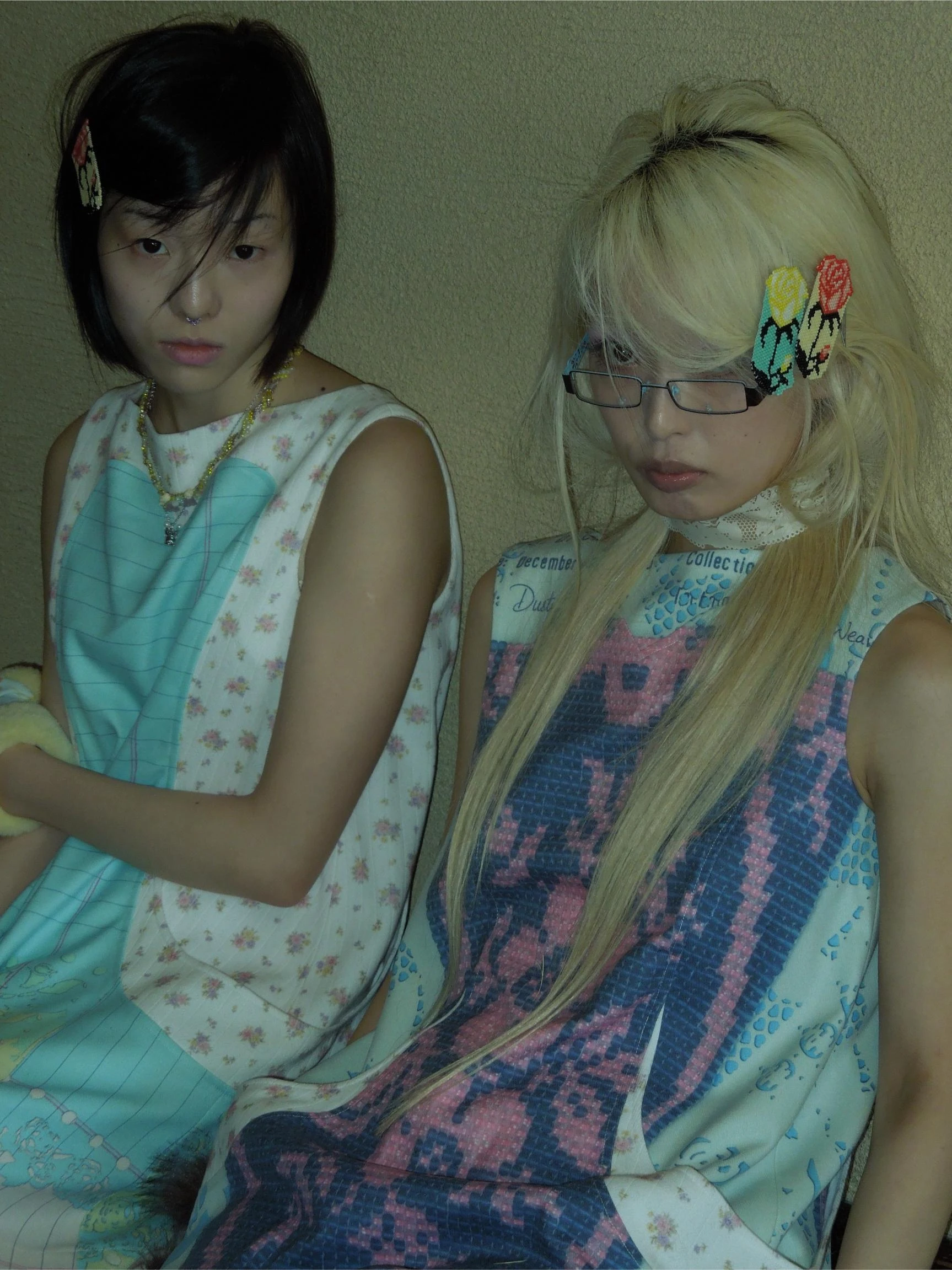
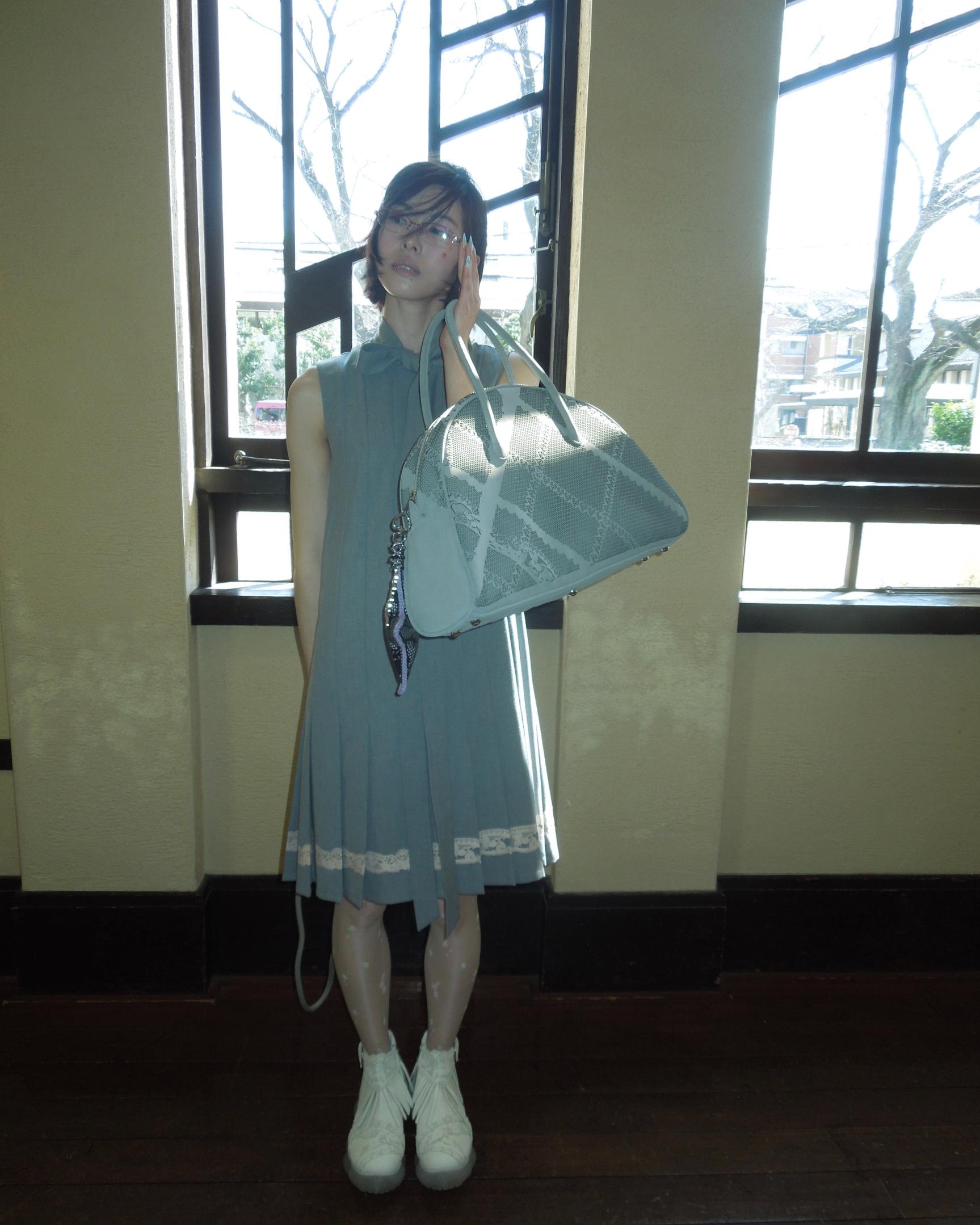
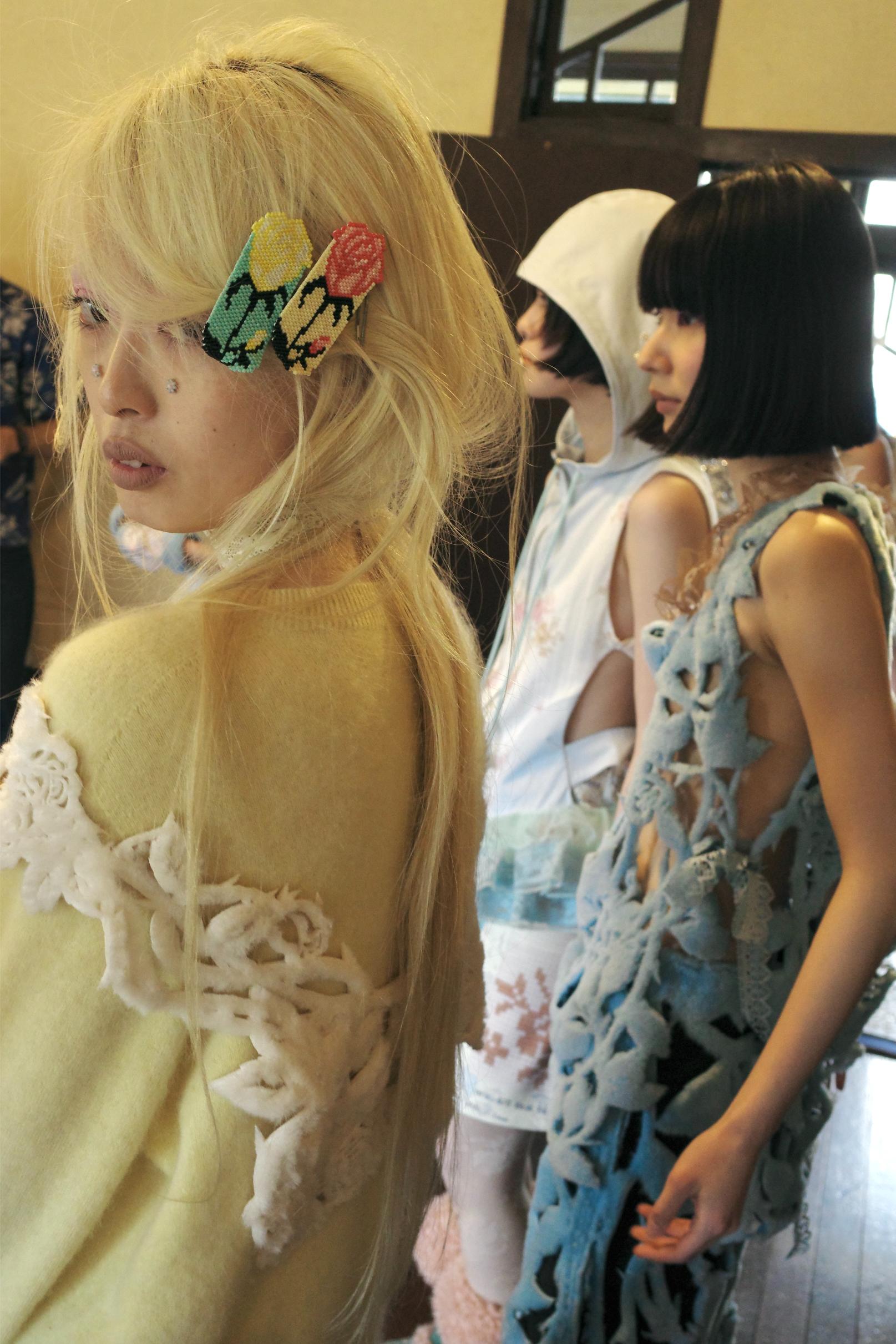
Presented during Rakuten Fashion Week Tokyo, Yueqi Qi’s Autumn/Winter 2026 collection marked a confident evolution for the brand. While retaining the intricate craftsmanship that defines her work, the collection shifted towards more accessible ready-to-wear, introducing digitally translated embellishments, deconstructed tailoring, romantic florals and collaborations with Timberland and Grounds. The result was a collection that balanced fantasy with function, proving that technical innovation and commercial appeal can coexist.
Following the runway presentation in Tokyo, RED-EYE sat down with Yueqi Qi to discuss the inspiration behind her AW26 collection, the dialogue between traditional craftsmanship and new technologies, building an independent fashion label, and why storytelling remains at the heart of everything she creates.
Your work blends craft techniques like crochet and beading with a playful, almost fantastical aesthetic. How do you balance traditional craftsmanship with a contemporary fashion language?
I see craftsmanship as a language. Traditional techniques carry history, but I reinterpret them through shape, proportion and context so they feel natural and current rather than nostalgic.
Your pieces feel very personal and handmade, yet at the same time they feel modern but somehow nostalgic. How important is it for you to communicate emotions and messages through the aesthetic of the garment itself? And how important is the idea of craft and manual work in an industry that is becoming increasingly fast and digital?
Emotion is very important to me. I want the garment to carry a feeling, not just function. Handwork holds time, and that creates depth. In a fast and digital industry, people are drawn to things that feel human and personal.
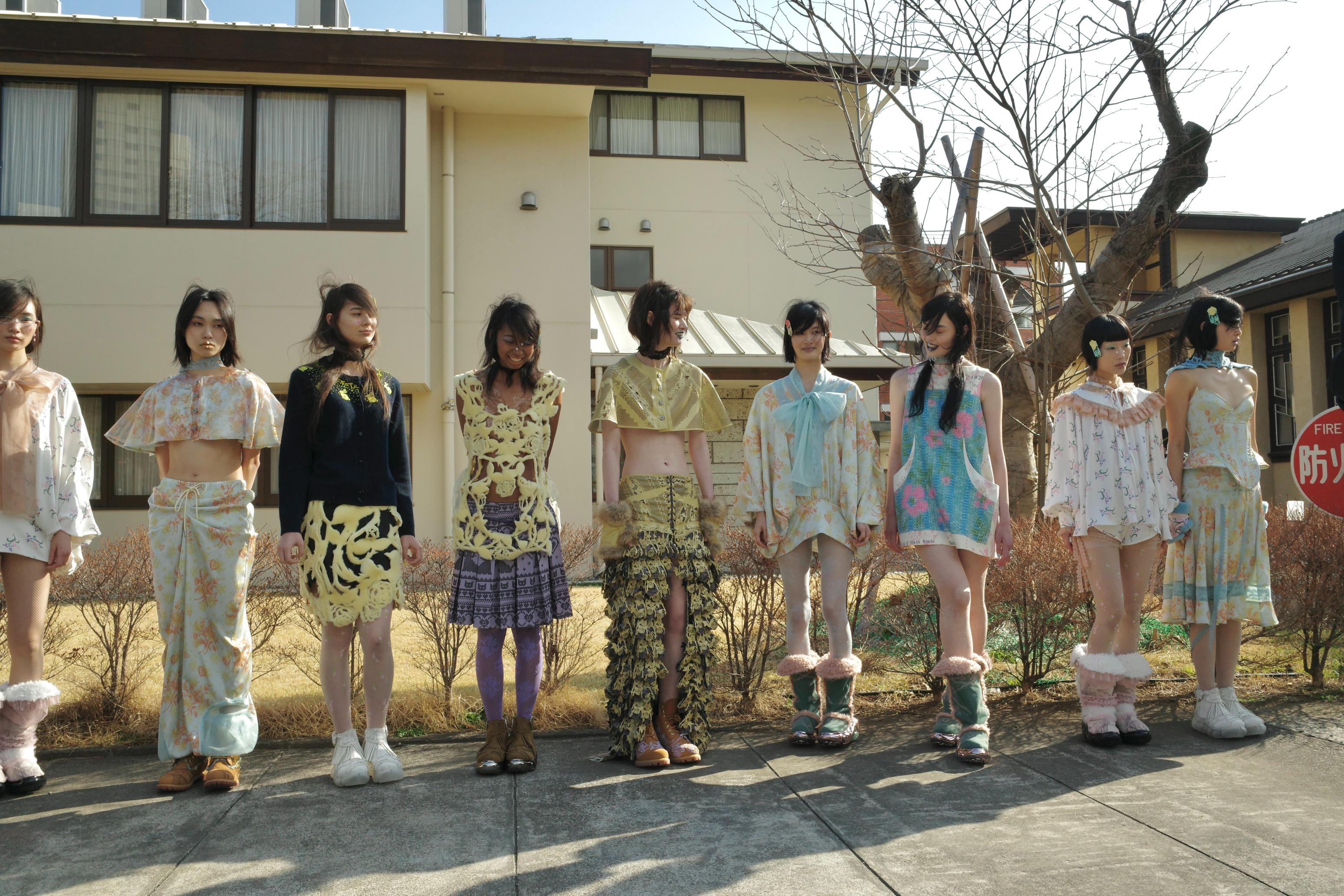
What made you decide to present your collection in Tokyo? What does the Tokyo fashion scene represent for you at this moment in your career?
Tokyo has a strong sensitivity to detail and individuality. The audience understands craft and experimentation. Showing here feels aligned with how I want the work to be experienced.
As a Chinese designer showing in Tokyo, do you feel that Asian fashion is entering a new moment of global influence? And how do you think this new generation of Asian designers is reshaping the meaning and direction of contemporary fashion?
I think Asian fashion is gaining influence in a more subtle way. It is less about visibility and more about perspective. Designers are bringing their own cultural logic and ways of making, which is slowly reshaping fashion.
When someone wears a Yueqi Qi piece, what kind of person or energy do you imagine they embody?
imagine someone sensitive but strong. There is a quiet confidence. The pieces are not loud, but they express something personal and intentional.