- Date
- 09 OCTOBER 2026
- Author
- DANIEL FACE
- Image by
- PRESS OFFICE
- Categories
- Fashion
BÉHEN SS27: The Stories the Sea Leaves Behind
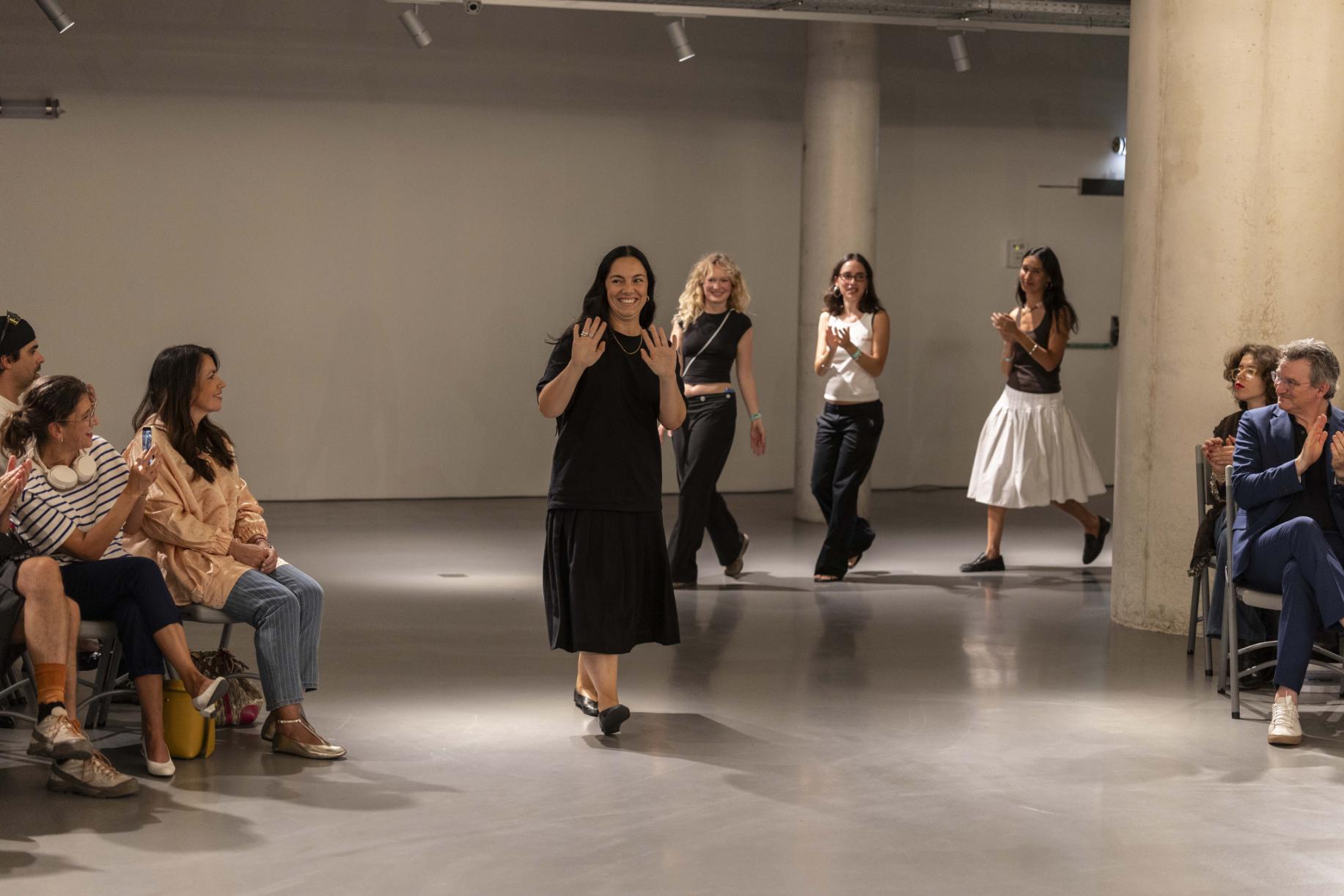
At Lisboa Fashion Week, BÉHEN presents Spring/Summer 2027 as a thoughtful exploration of Portuguese identity, traditional craftsmanship and the shifting boundaries between work and leisure. Titled “De Esta Água Não Beberei,” the collection draws inspiration from Nazaré’s fishing heritage and bathing culture, transforming historical references into a contemporary fashion language.
There is something compelling about the way BÉHEN approaches heritage. Rather than treating Portuguese tradition as a fixed visual archive, the brand uses it as a starting point for questioning how culture, class and collective memory shape the clothes we wear. With “De Esta Água Não Beberei,” BÉHEN develops a collection that feels both rooted in a specific place and relevant to contemporary conversations about identity, sustainability and the meaning of dressing.
Presented at MUDE — Museu do Design, the collection takes inspiration from Nazaré, the Portuguese coastal town historically defined by its fishing community and its emergence as a seasonal seaside destination between the late nineteenth and early twentieth centuries. During this period, the beach became a shared environment where labour and leisure existed side by side, bringing together different social realities within the same landscape.
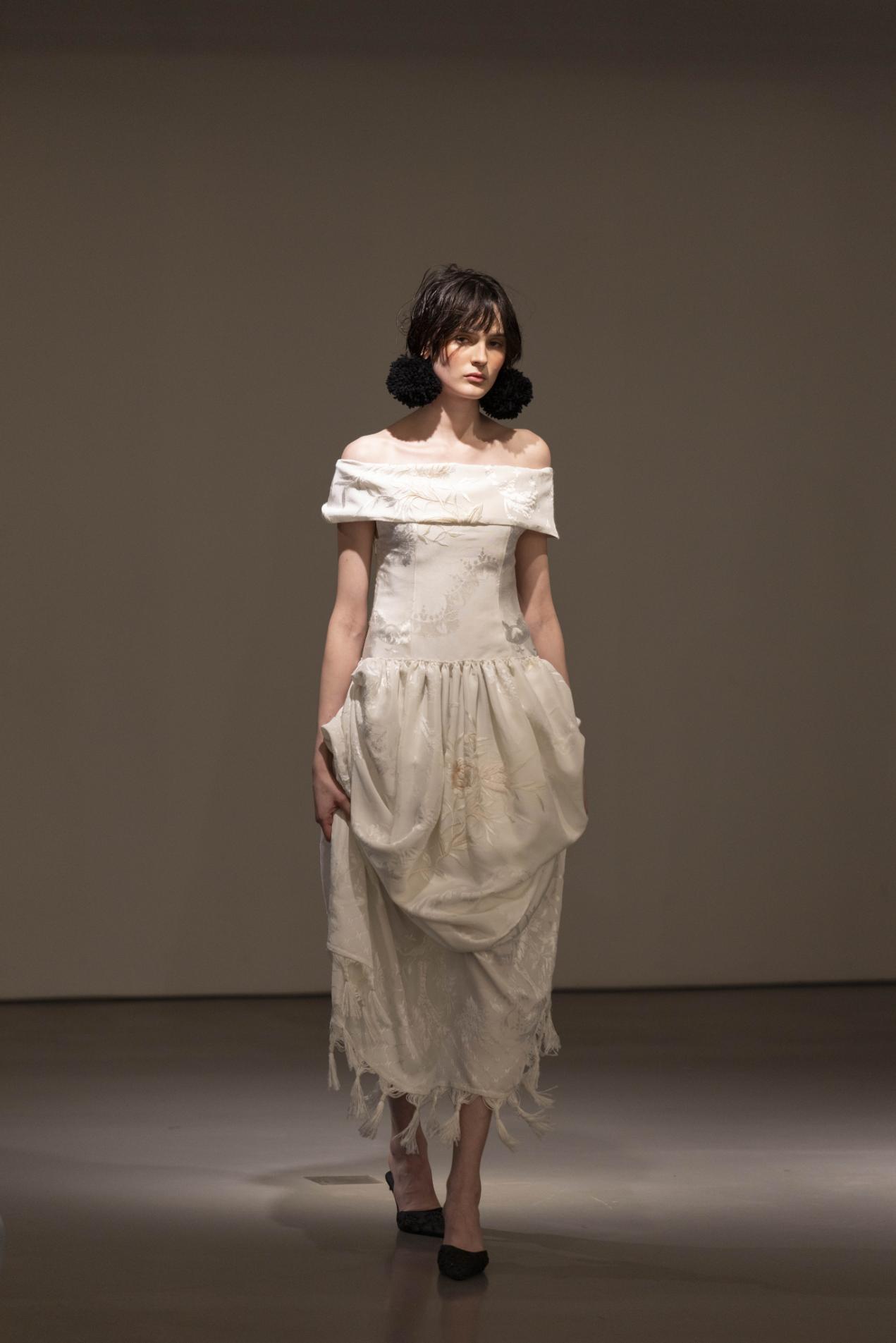
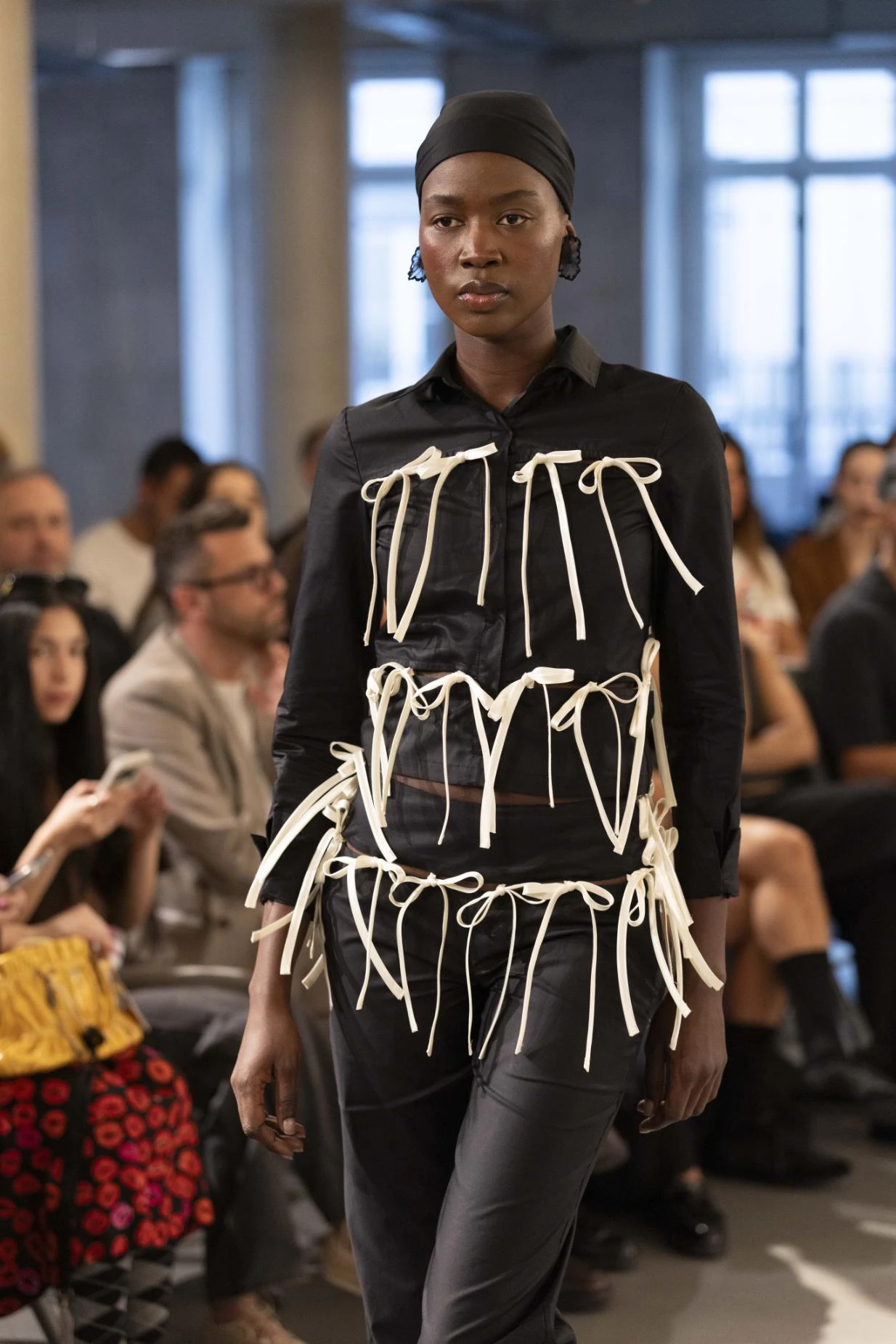
For Spring/Summer 2027, BÉHEN translates this historical duality into a dialogue between formal tailoring and traditional Portuguese craftsmanship. Structured silhouettes associated with officewear, classic shirting fabrics and refined shapes meet folkloric references, artisanal techniques and materials connected to everyday labour.
The result is a collection built on contrasts. Formality encounters familiarity, structure meets tradition, and the codes of contemporary dressing are reconsidered through the lens of local history. Rather than simply reproducing traditional garments, BÉHEN explores how their cultural significance can evolve when placed in conversation with modern silhouettes.
The collection’s central setting, the shoreline, becomes more than a visual reference. It represents a space where social boundaries become visible, where protection and exposure coexist, and where necessity and privilege occupy the same ground. The sea, constantly reshaping the coastline, mirrors the transformation of cultural identity itself.
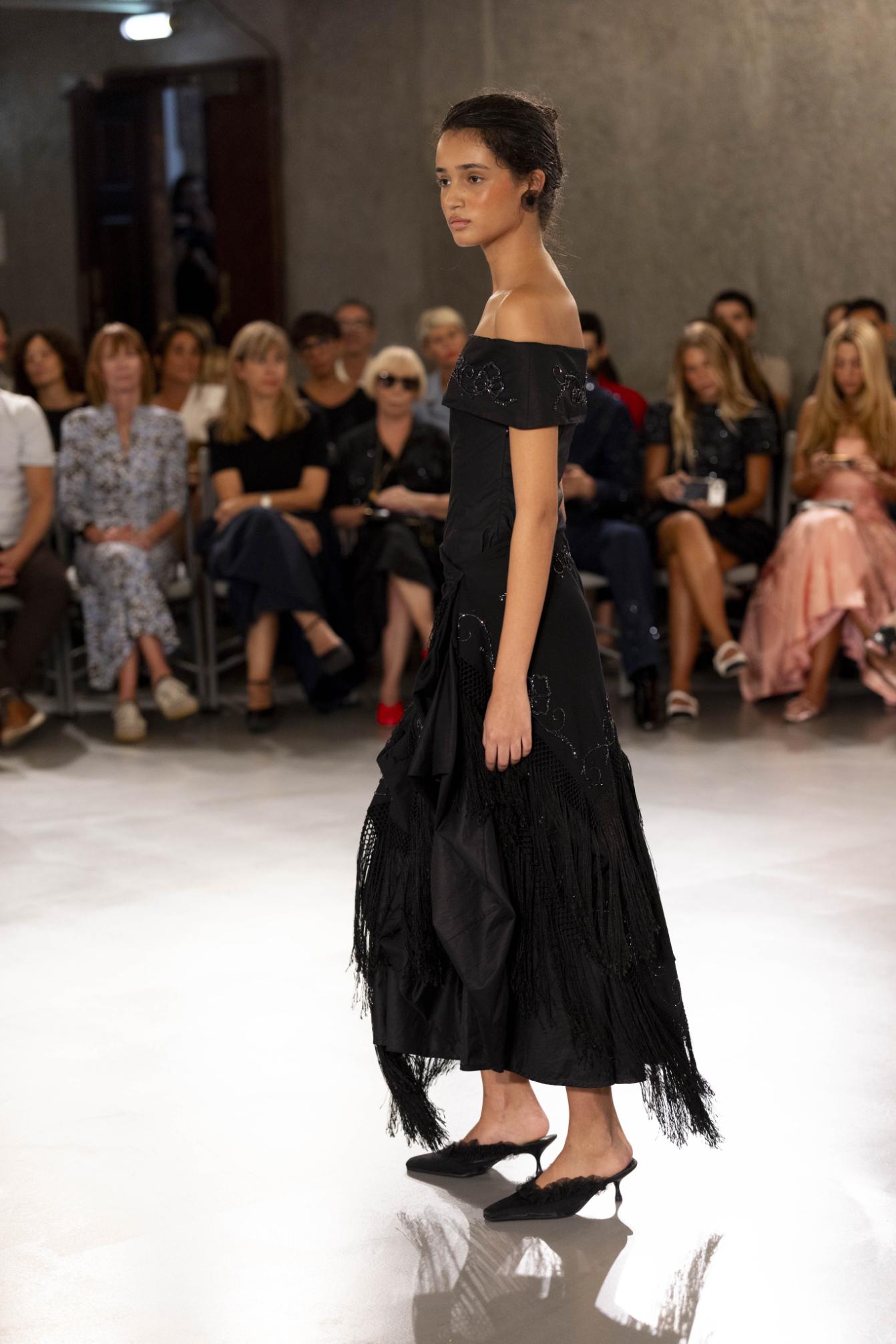
Materiality plays an essential role in communicating the collection’s narrative. BÉHEN works with 100% cotton and wool, alongside vintage and reused textiles, reinforcing the relationship between craftsmanship, longevity and responsible material choices.
These materials connect the collection to the past without making it feel trapped there. Reused fabrics carry the possibility of another life, while traditional fibres establish a tactile relationship with clothing that extends beyond seasonal trends. Sustainability here feels closely connected to the preservation of knowledge, the reuse of existing resources and the value of objects that can endure.
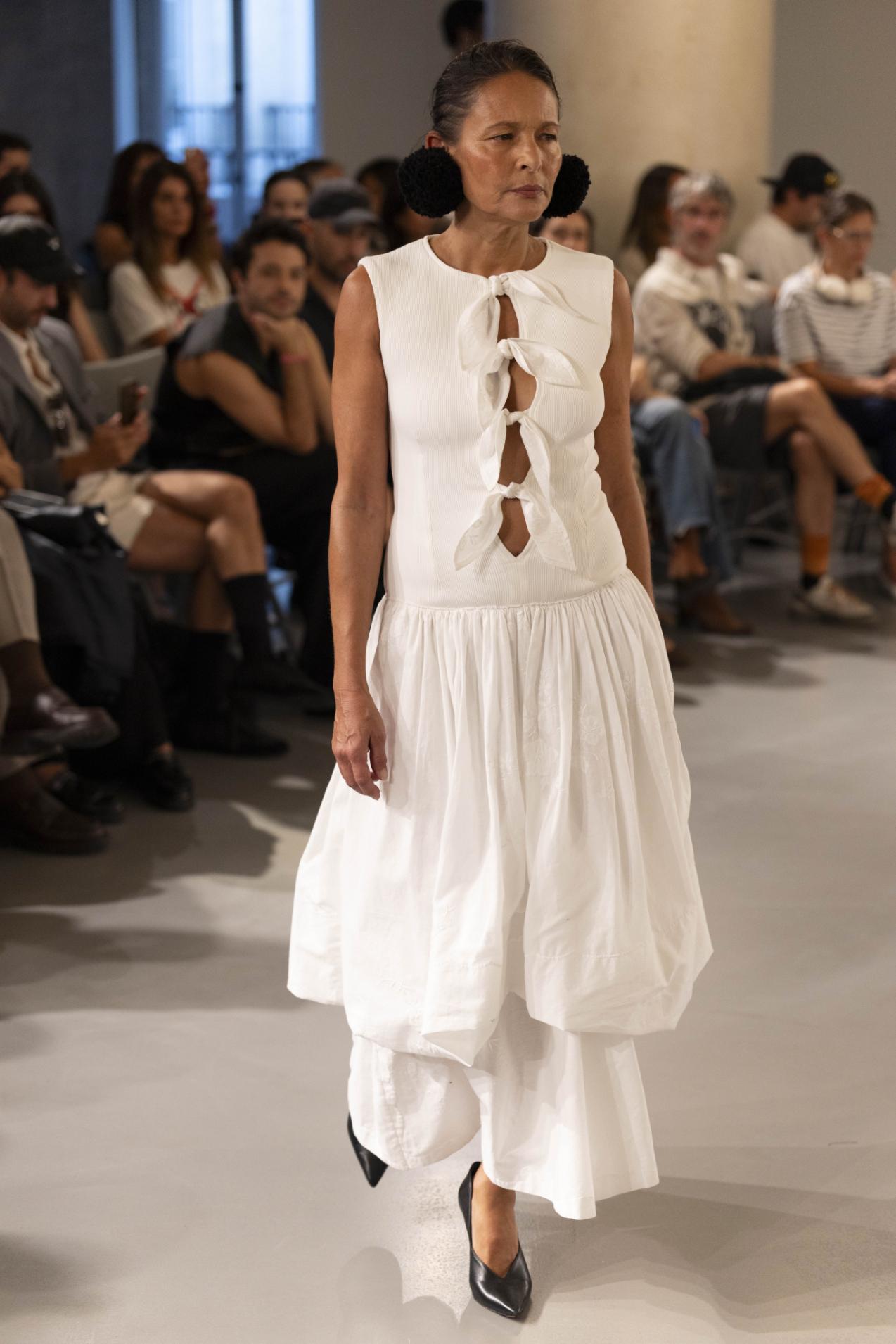
What makes “De Esta Água Não Beberei” particularly interesting is its refusal to reduce Portuguese heritage to nostalgia. BÉHEN approaches cultural memory as something active, capable of generating new forms and challenging established distinctions between formal and everyday dress.
At Lisboa Fashion Week, the collection stands out for its conceptual clarity and its connection to a recognisable cultural landscape. Its strength lies in bringing together seemingly opposing worlds without erasing their differences. The result is a considered vision of contemporary Portuguese fashion that values local identity while allowing it to change.
With Spring/Summer 2027, BÉHEN reminds us that fashion can preserve cultural memory without turning it into a museum piece. Instead, it can become a living language, shaped by the people, materials and histories that continue to define a place.