- Date
- 25 NOVEMBER 2026
- Author
- MIRA WANDERLUST
- Image by
- ALBERTO PELAYO
- Categories
- Interviews
In Conversation with Matteo Alieno about Voices Imagining the Future
We live in a time of constant change, when the future seems to arrive faster than ever and the coordinates of the present are always shifting. In this context, young people’s voices are not simply worth hearing—they are essential. Their thoughts, questions and ways of describing the world offer fresh perspectives and the possibility of imagining things differently. That is why, now more than ever, it is important to shine a light on younger generations and create opportunities for them to express themselves. This belief inspired our editorial project and interview with Matteo Alieno, created in collaboration with young students from Moodart Fashion Communication. It brought together music, communication and art direction, giving emerging creatives from different fields the chance to work side by side and share their ideas and perspectives. These collaborations matter because they open up space for dialogue: music meets imagery, ideas become stories, and creative exchange can lead somewhere unexpected. Conversations spark projects, and projects can inspire new ways of imagining our future.
Matteo Alieno, the stage name of Matteo Pierotti, is a Roman singer-songwriter, multi-instrumentalist and record producer, born in 1998. His songwriting moves between melancholy and lightness, offering a personal take on the vulnerabilities, desires and contradictions of everyday life. His music draws on the tradition of Italy’s great singer-songwriters, while searching for a distinctive language to describe the present. Music entered his life early: he began writing and composing as a child. In 2019, he released his debut single, Non mi ricordo. The song was warmly received by audiences and critics, and went on to become the theme tune for a daily programme on a national radio network. It marked the beginning of a career shaped by curiosity and independence, with the hands-on craft of making music—playing, arranging and experimenting—at its heart.
In 2020, he released tracks such as Fantasia, about the desire to escape a reality that feels too confining, and Rallentare, recorded in his bedroom during a period when freedom of movement was restricted. Even then, Matteo turned a difficult collective experience into an opportunity for creative expression. With Niente, he showcased his versatility as a musician and producer; La Paura followed, paving the way for his debut album, Astronave, released in October of that year. His second album, Alieni, arrived in 2022. In 2023, his appearance on the seventeenth season of X Factor Italia brought him to a national audience. Competing on Ambra Angiolini’s team, he won over audiences and critics with thoughtful performances—including interpretations of songs from Niccolò Fabi’s repertoire—and made it to the fifth live show. In the years that followed, his career continued to grow through new collaborations and opportunities. He opened several concerts for Gazzelle and released singles including Normale, produced by Motta; Chi vince che vince?; and Nessuno sa stare al mondo, a collaboration with Fulminacci. In 2025, he received the NUOVOIMAIE Award for Best Emerging Artist at the Rockol Awards.
In April 2026, he released Stare al mondo, an album centred on feeling lost and searching for a way through. Rather than offering definitive answers, the record makes room for questions: the questions of those who feel out of place, those trying to find their bearings, and those who keep searching for their own way forward.
That is part of what makes meeting Matteo Alieno a chance to talk about more than music. It is also an opportunity to reflect on how we describe the present, and on the space young people need as they shape their future.
Our conversation with him, created in collaboration with students from Moodart Fashion Communication, brought together different generations and creative languages. Listening to young people is not merely a symbolic gesture: it is a concrete way to welcome new ideas into the conversation—and to let them help shape what comes next:
Listening to your songs, it feels as though the words are never there simply to tell a story, but also to suggest a way of looking at things. When you start writing, do you begin with an image, an emotion, or a question you’re carrying with you?
I’m constantly changing my approach, and every time I forget how to do it. For example, right now I’ve completely forgotten, and I don’t know how to find my way back. That’s why I find it useful to gather thoughts and feelings, hoping they’ll naturally find their own expression. I like being in this constant limbo, as if my creativity were half-asleep. That’s the emotional state that inspires me most.
Your lyrics don’t seem to search for definitive answers. Instead, they leave room for doubt. Do you think music still has a role to play in making people think, as well as entertaining them?
I don’t know. I definitely believe that every form of art can take you into another world. That other world might make you reflect on your own by seeing it from the outside, or it might simply let you escape for a while.
I’m at a point where music has become the only world I know, and I feel so good there that I don’t want to leave.
Are you more interested in describing what you feel, or in creating a space where listeners can find themselves and their own experiences?
Ultimately, describing what I feel is the most honest way to create a space where someone can recognise themselves—not because I’m a megalomaniac, obviously, haha. It’s more that I don’t think any of us is particularly special. So if you talk about what you feel, you’re probably talking about everyone.
Many artists look for a recognisable style. Have you ever felt that finding your “voice” means giving something up, or do you think identity comes from continuing to change?
I don’t have an answer to that question. Trying to find a recognisable style has always made me anxious, and sometimes I even find the whole search ridiculous. Let me put it this way: I spend time with my best friend because he’s himself, not because he has red hair or a unique voice. In the same way, I listen to certain artists because I feel I know them. That means something to me.
I find the human experience conveyed through art much more interesting than a signature or a recognisable sound. I don’t think personality has anything to do with style.
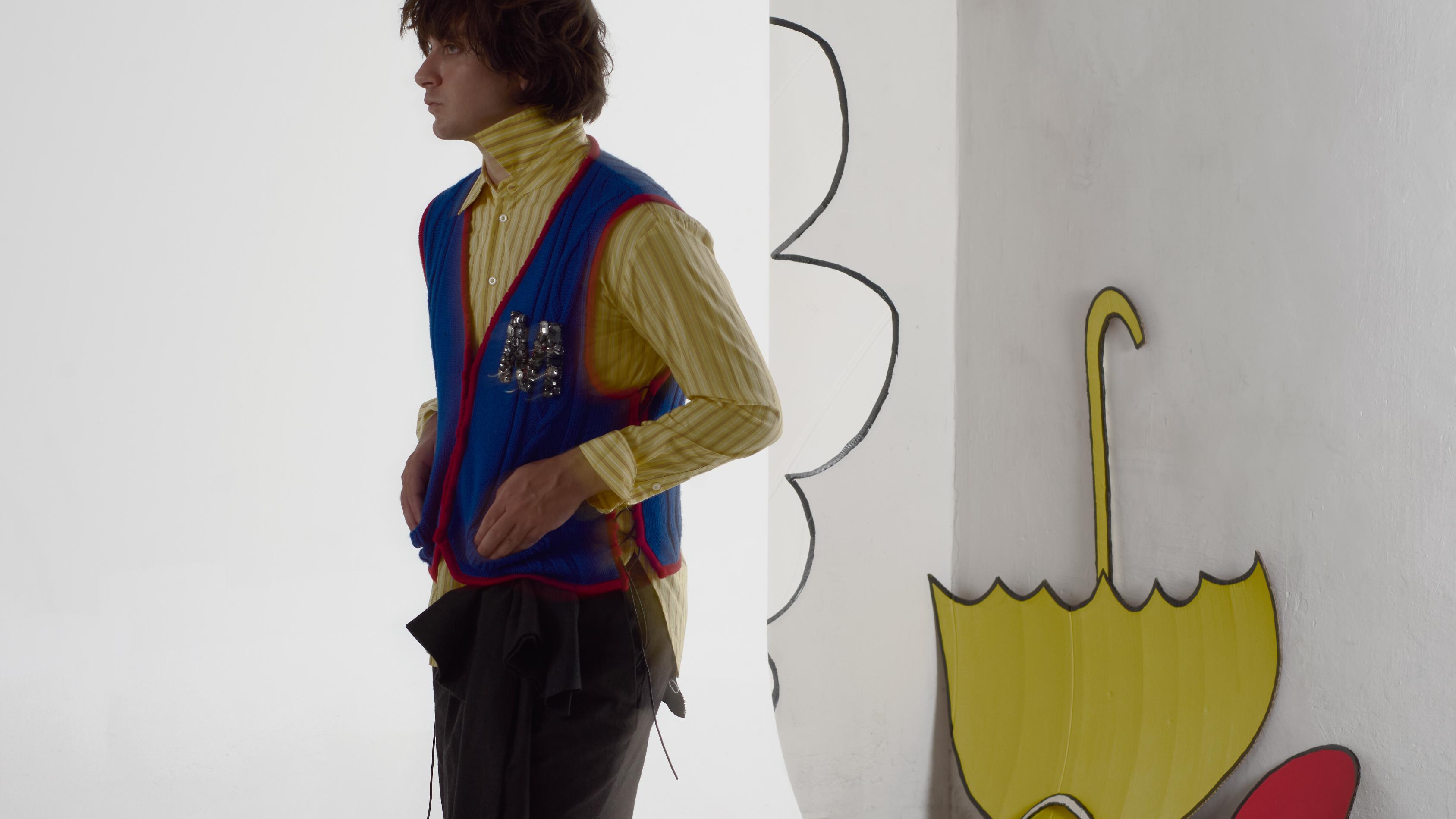
Do you think a great song should leave you with a memory—or a question?
Maybe both. That’s the power of songs: they can do so many things. As Gino Paoli used to say, they might even make it rain in five minutes.
Do you get the impression that people mostly listen to music today to recognise themselves in it, or to discover something about themselves they didn’t know was there?
I think both happen. Sometimes you listen to a song that seems to be talking about you exactly; other songs change you, challenge you or make you so curious that you end up changing who you are. As a listener, I usually prefer the second feeling. I’m terrified of change in real life, so I fool myself into changing a thousand times in my head while listening to music—and then, sure enough, I return to being exactly as stuck as I was in everyday life.
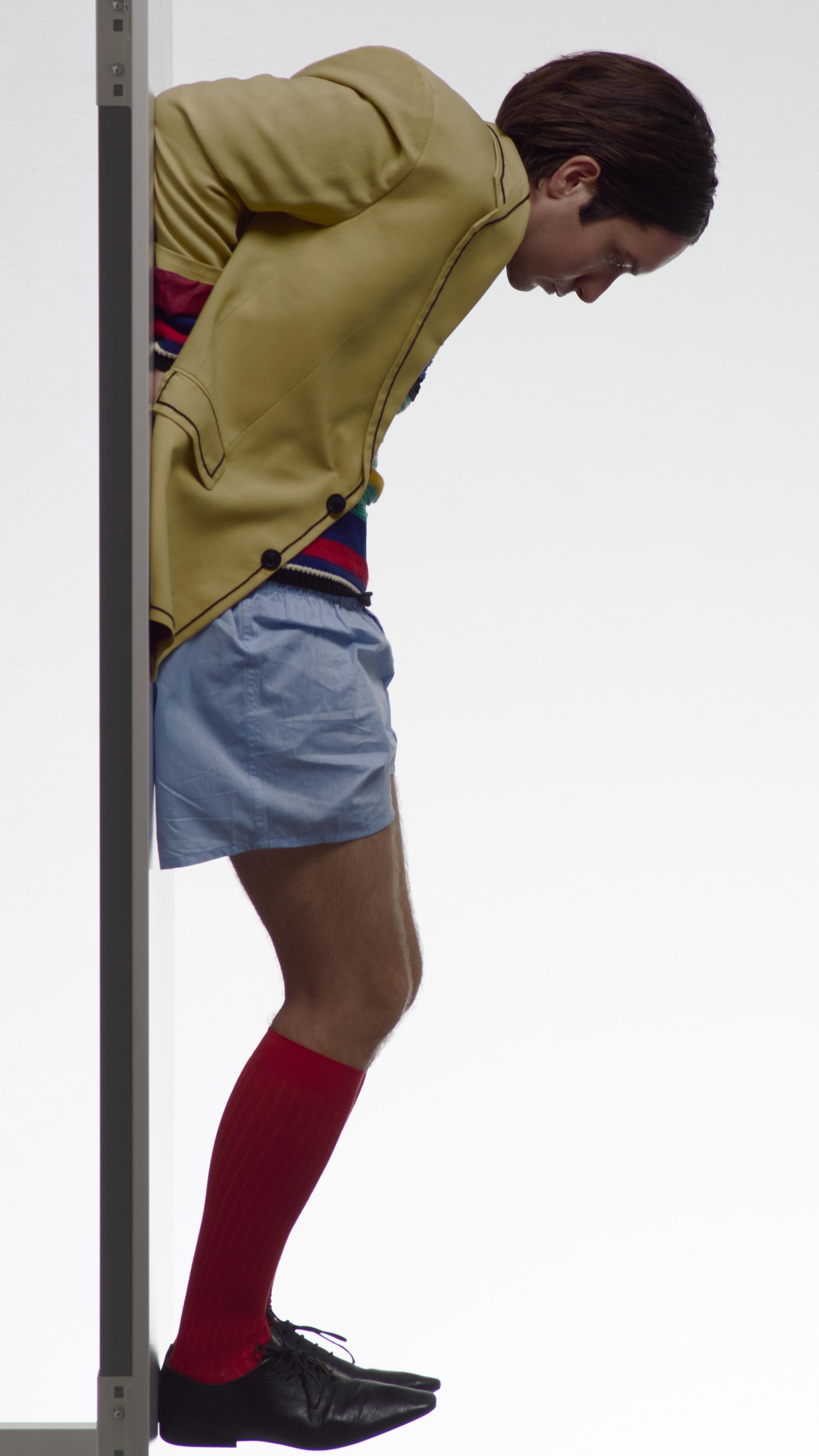
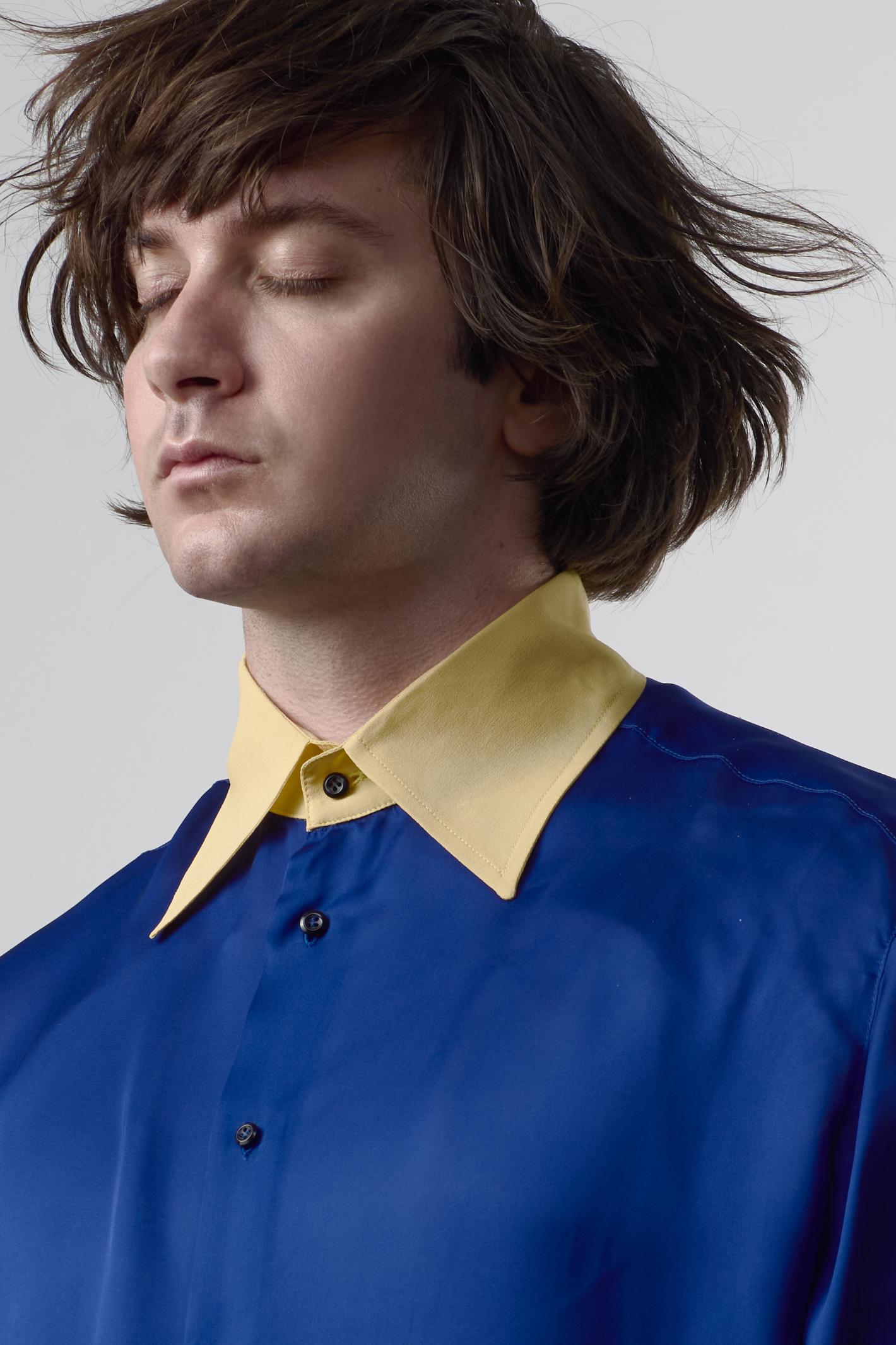
What aspect of your character has helped you most in becoming who you are today?
I’m very adaptable. I think that’s what has helped me most. I have a resilience when it comes to the things that happen to me that I sometimes don’t even understand myself—and it doesn’t feel difficult to me. I’ve always been this way. The world inside me is beautiful, and whatever happens outside doesn’t really affect me.
What’s the most valuable piece of advice you’ve received, and still carry with you today?
Once, a sports teacher told me I had to learn how to be bored—to learn how to do nothing. Many of the times I’ve felt bad were when I couldn’t do that, and I see a lot of people suffering because they can’t either.
Knowing how to be bored is, ultimately, knowing how to be alone. It’s a wonderful way to forgive yourself and make peace with who you are.