- Date
- 28 SEPTEMBER 2026
- Author
- RED-EYE TEAM
- Image by
- MATTIA GUOLO
- Categories
- Fashion
Vampires In the Age of Immortality
For centuries, we have invented monsters to tell stories about the things we desired too much.
Among them, the vampire holds a particular place. It lives forever, preserves its body, moves through generations without ever truly belonging to any of them. It is young and ancient, seductive and terrifying, human and already beyond human. It possesses exactly what part of today’s technological culture dreams of achieving, that is potentially infinite time.
And yet, throughout the history of the vampire, immortality has rarely been a gift. It is a curse.
Before Dracula, before the black cape, the fangs and decadent aristocracy, vampires belonged to the folklore of Eastern Europe, the dead unable to remain dead, bodies returning among the living. With John Polidori’s The Vampyre, published in 1819, the creature changes skin. The monster becomes Lord Ruthven, aristocratic, magnetic, pale, ambiguous, dangerously alluring. The vampire enters the drawing room and it becomes desirable.
Then comes Carmilla, Sheridan Le Fanu’s 1872 novella, and desire becomes even more explicit, feminine, intimate, erotic. Twenty-five years later, Bram Stoker publishes Dracula, crystallising the myth that will haunt the twentieth century. From that moment on, the vampire acquires one of modernity’s defining qualities, which is the ability to transform.
Cinema continues the metamorphosis. The spectral corpse of Nosferatu gradually becomes lover, outsider, dandy, rock star, teenager. From The Hunger to Interview with the Vampire, from Bram Stoker’s Dracula to Let the Right One In, the vampire moves through different bodies, genders and ages. And as Western society develops an increasingly intense relationship with youth, the vampire grows younger too.
Until it becomes a child.
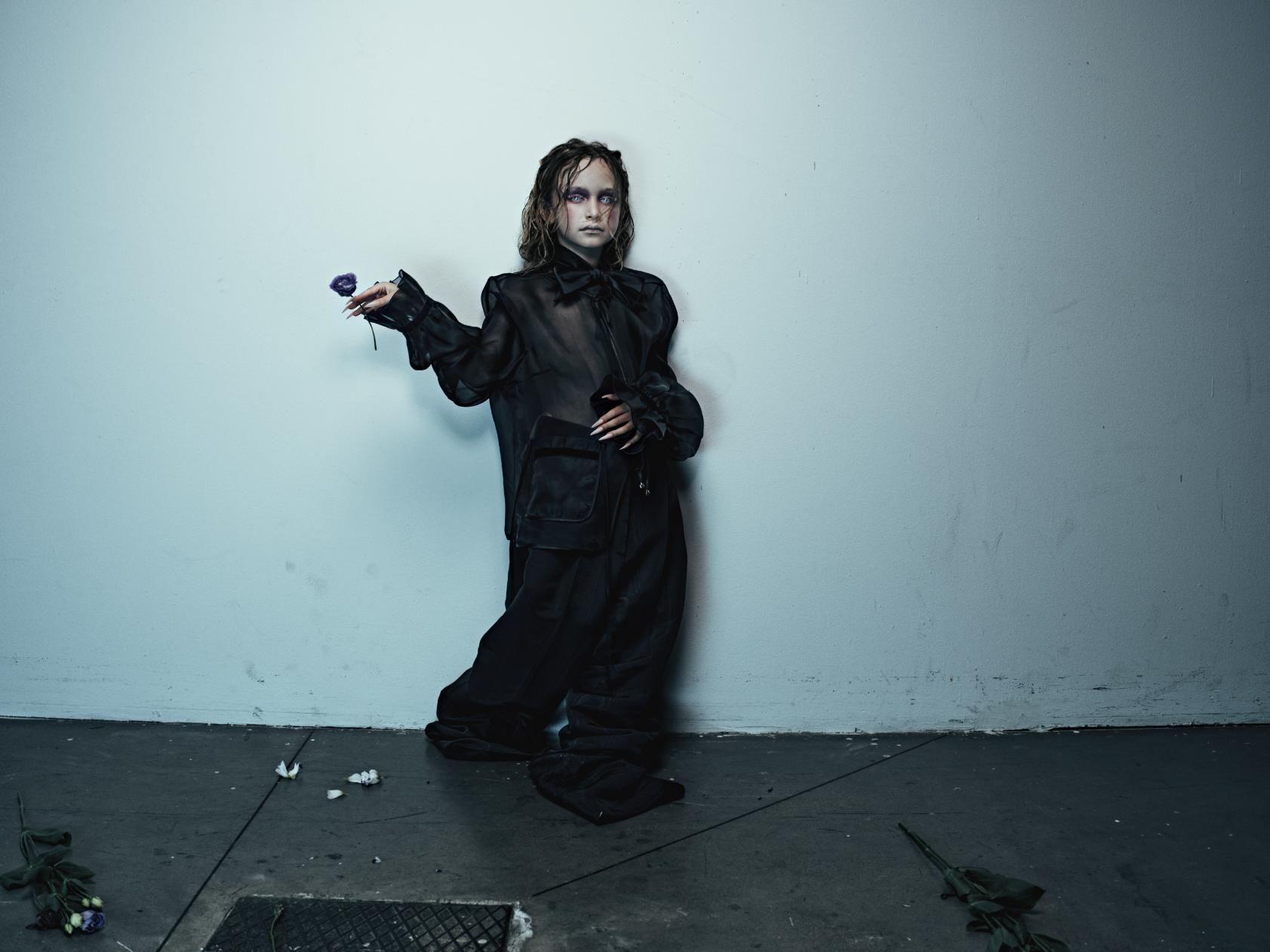
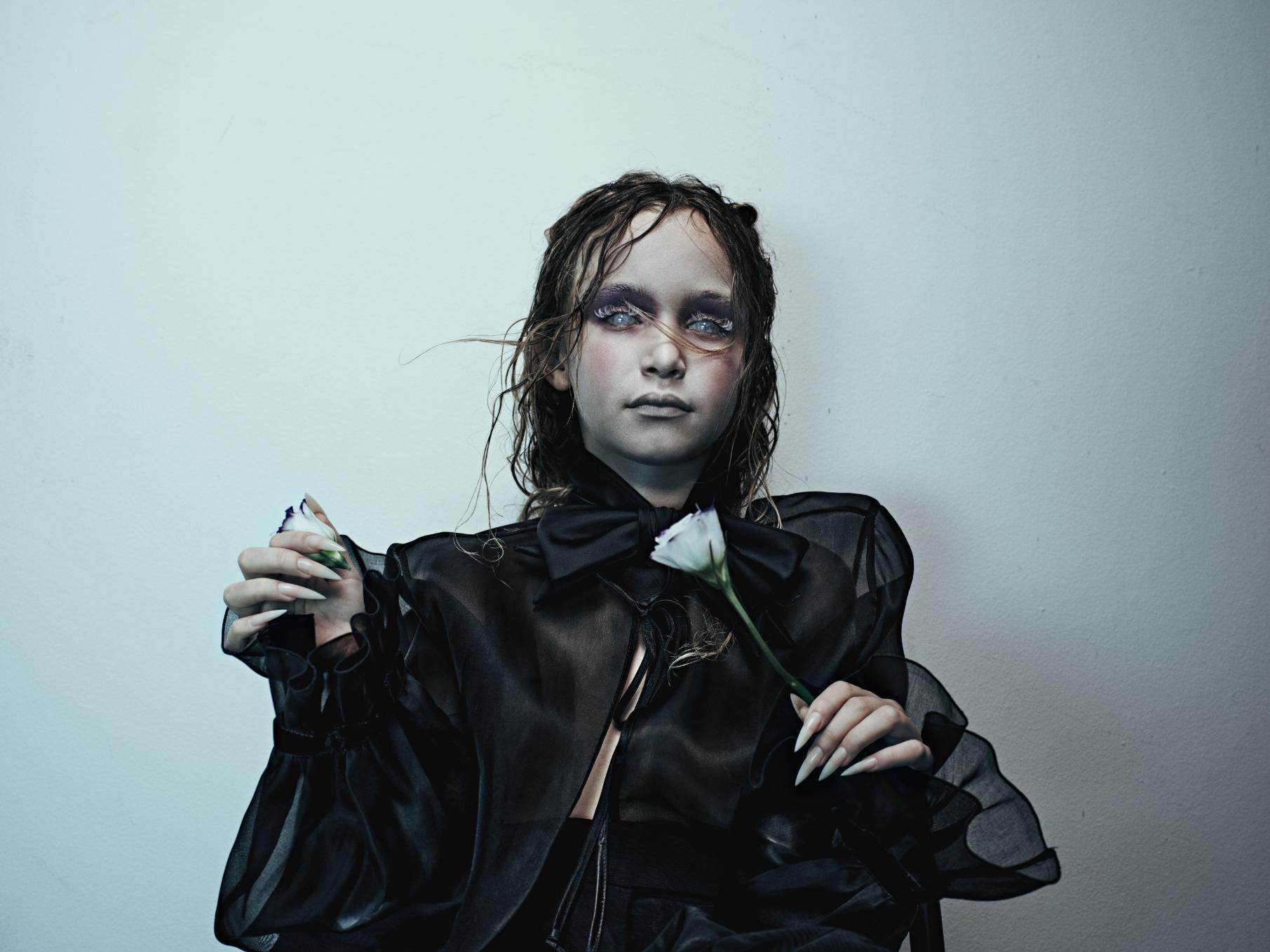
A vampire girl creates a particular kind of unease because she embodies a paradox. A child is, by definition, a body destined to change. It contains a promise of the future. An immortal child, instead, possesses all the future in the world and no possibility of ever becoming something else.
Time moves on, as she remains.
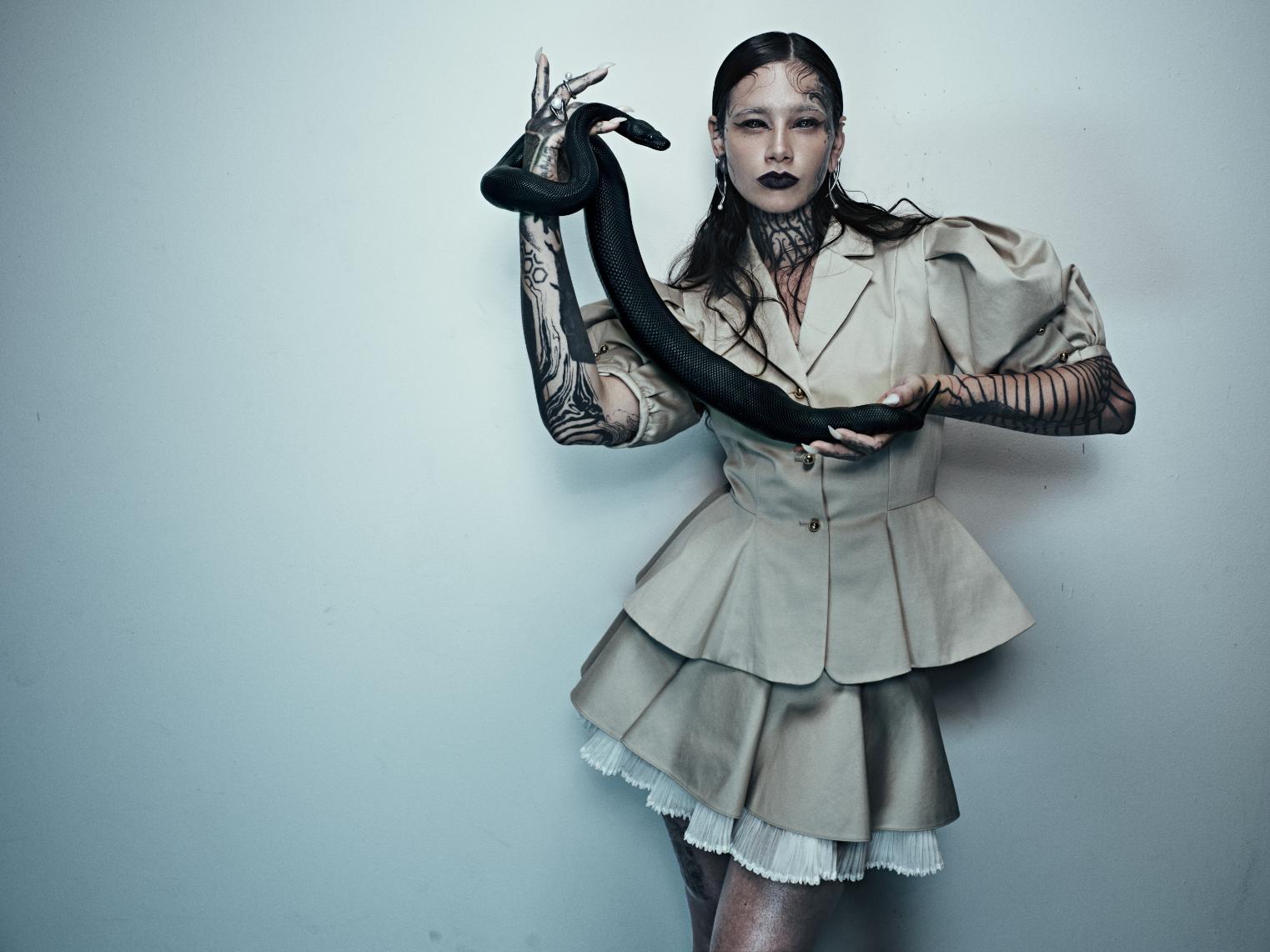
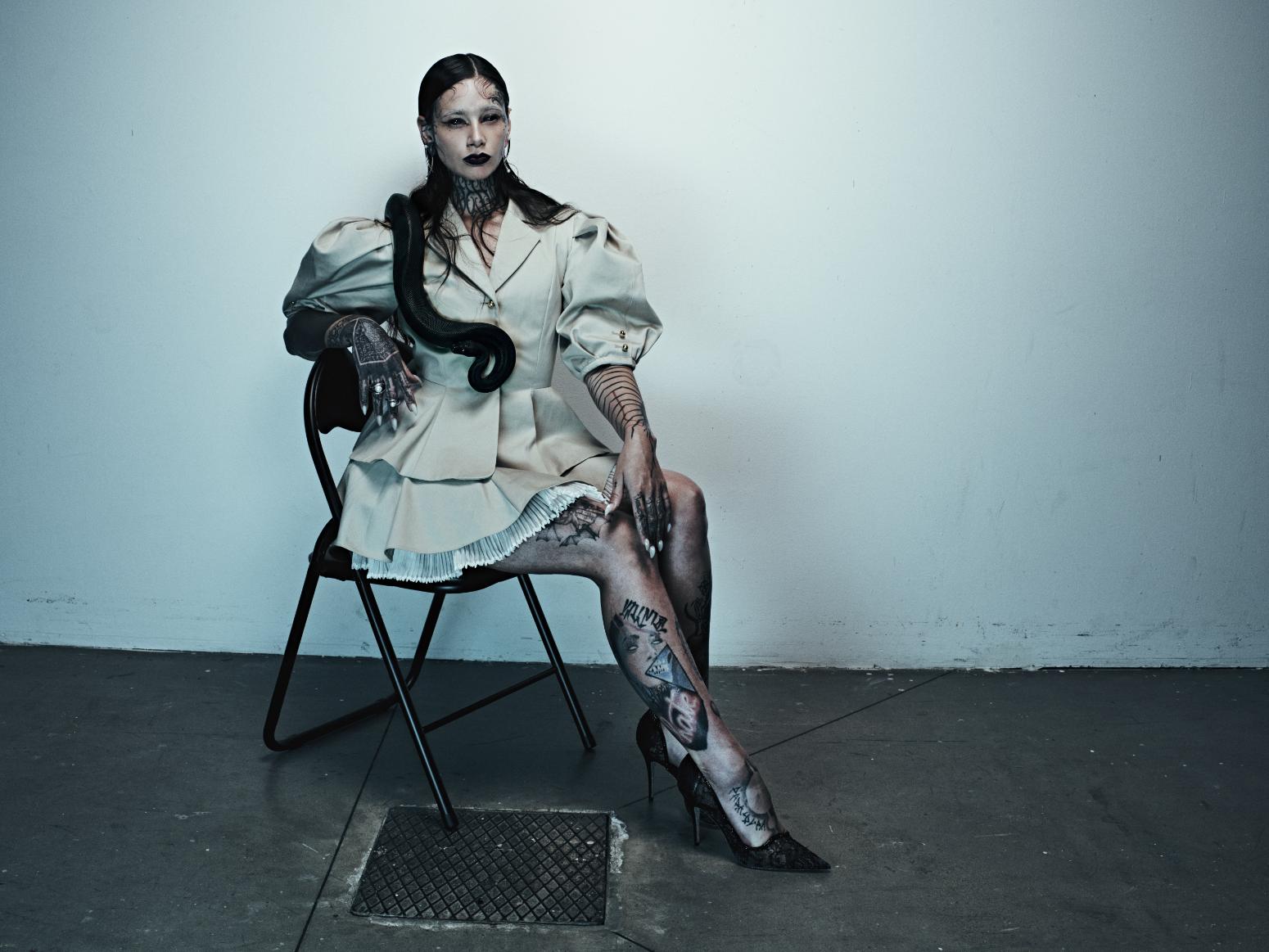
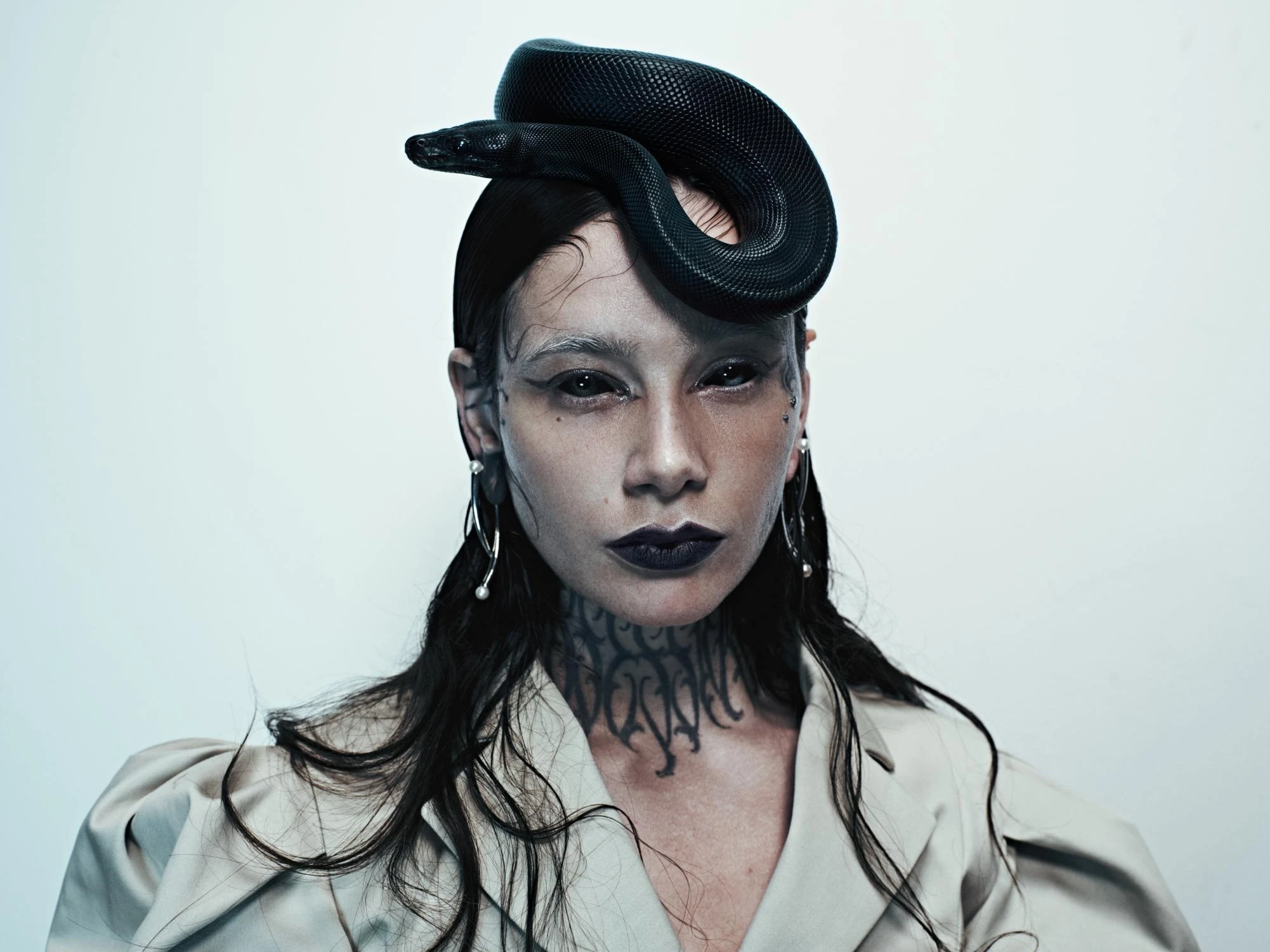
In our story, her voice speaks Romanian, drawing the vampire back towards the Eastern European geography from which the myth emerged. Around her, the bodies photographed in the studio belong to an absolute present made of fashion, beauty, skin, pose and desire. Real bodies transformed by artificial intelligence, their beauty pushed just beyond the boundary of the human.
This is where they become sublime.
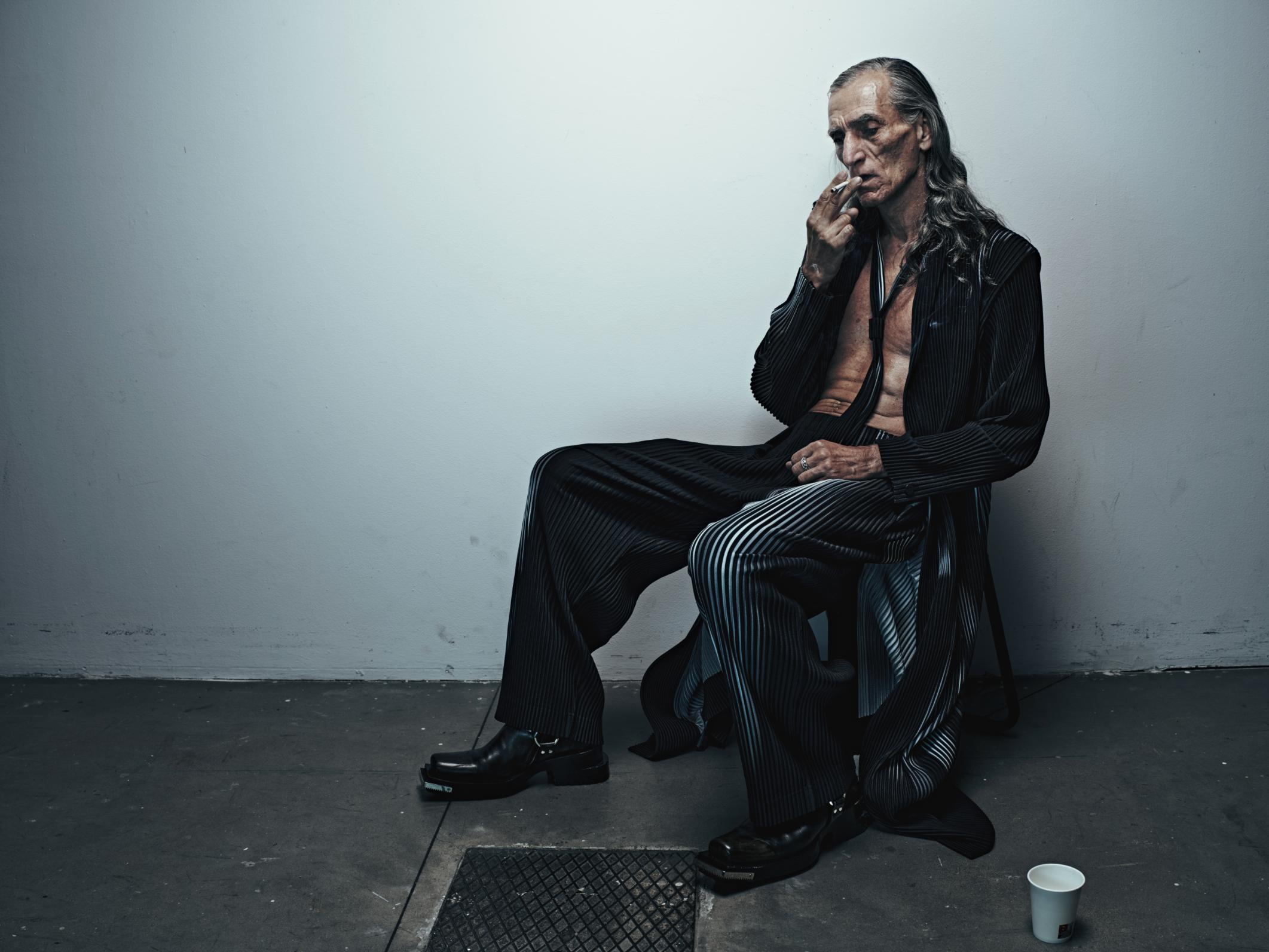
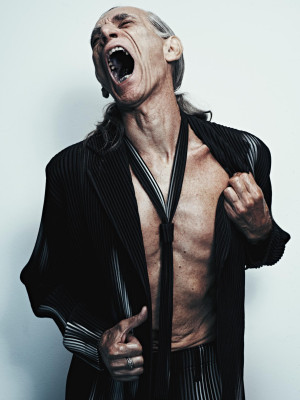
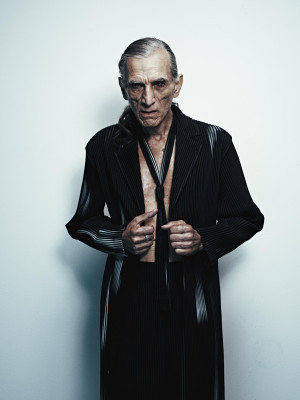
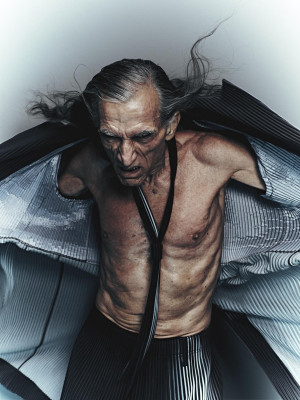
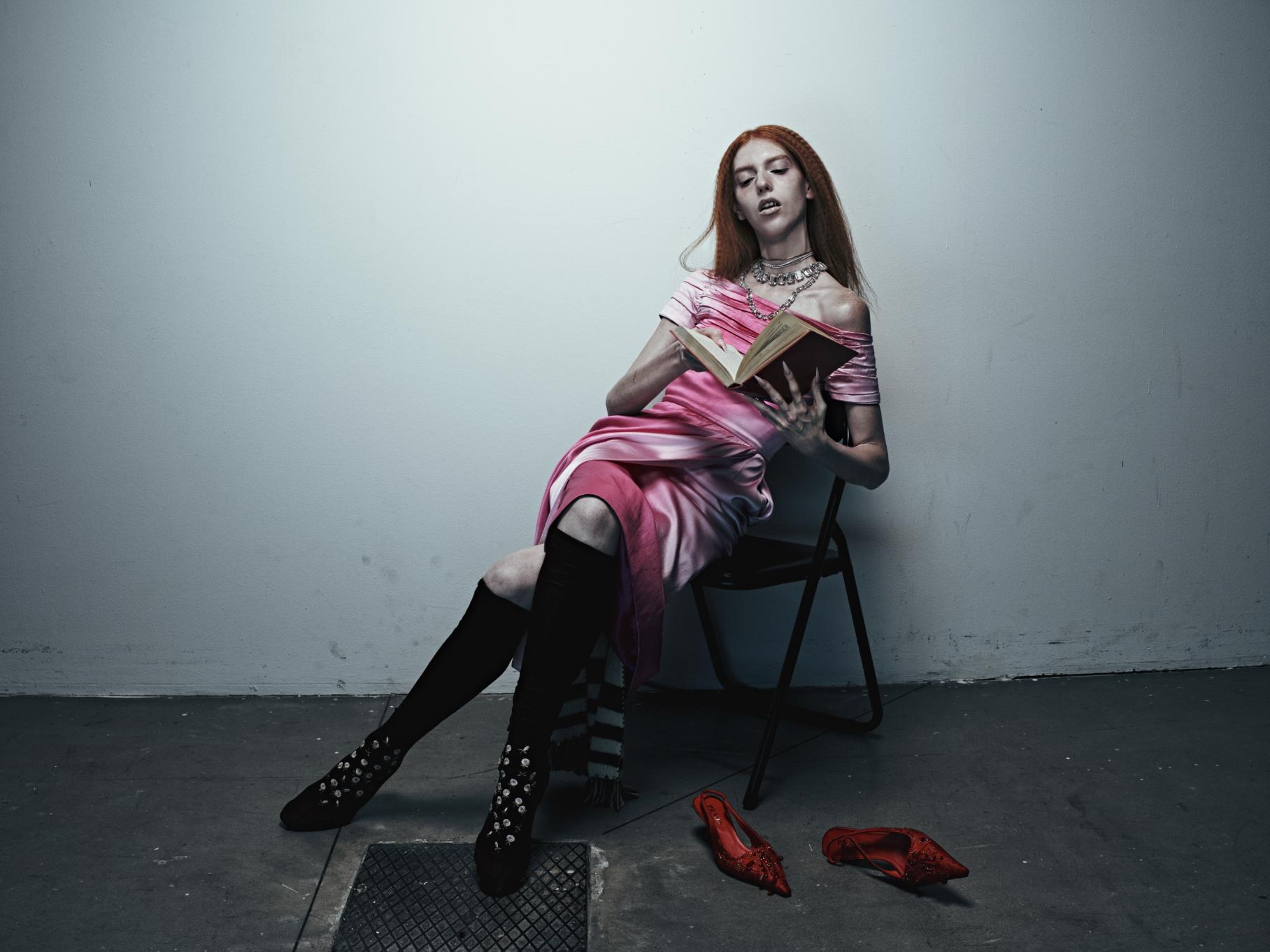
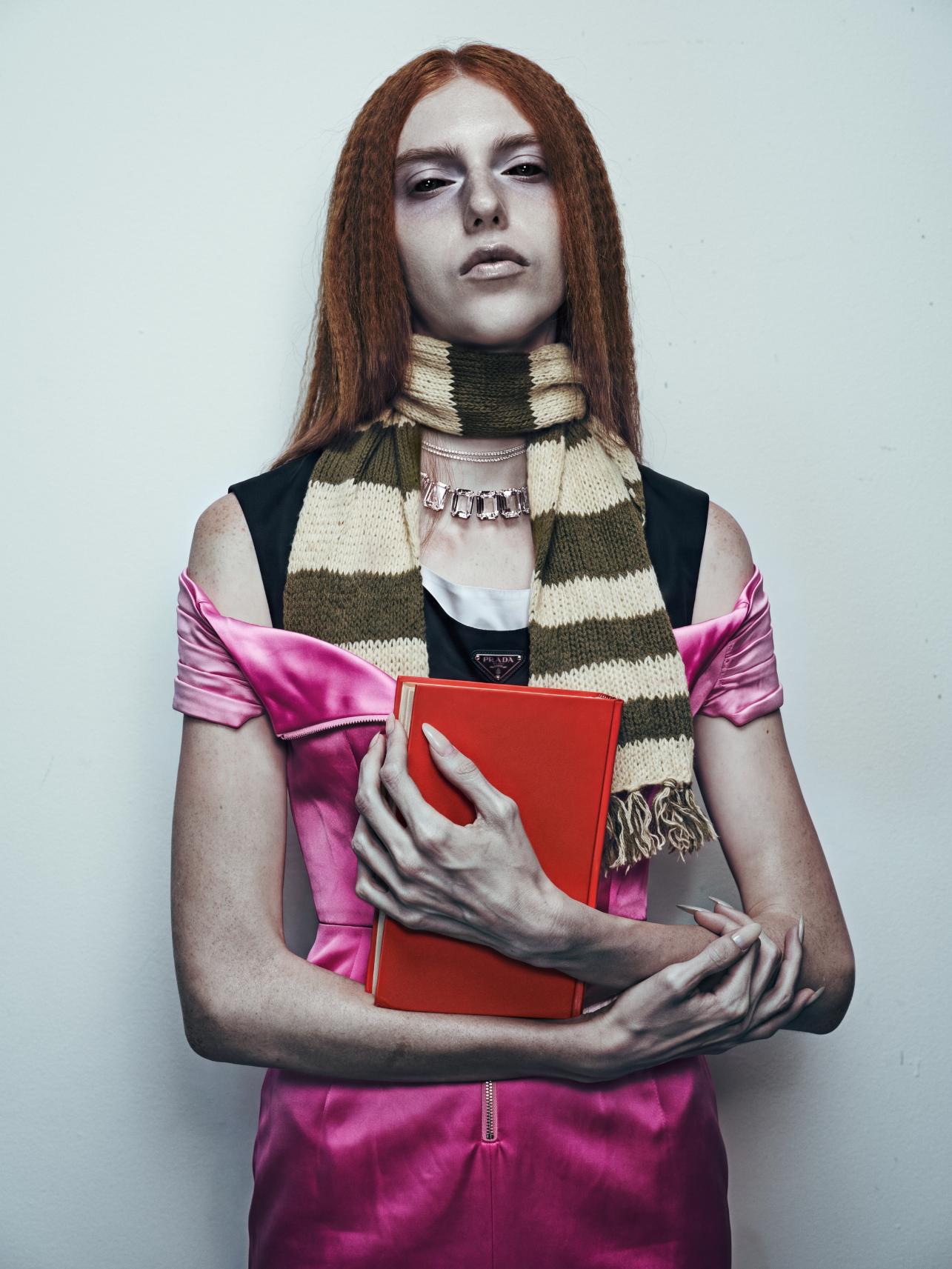
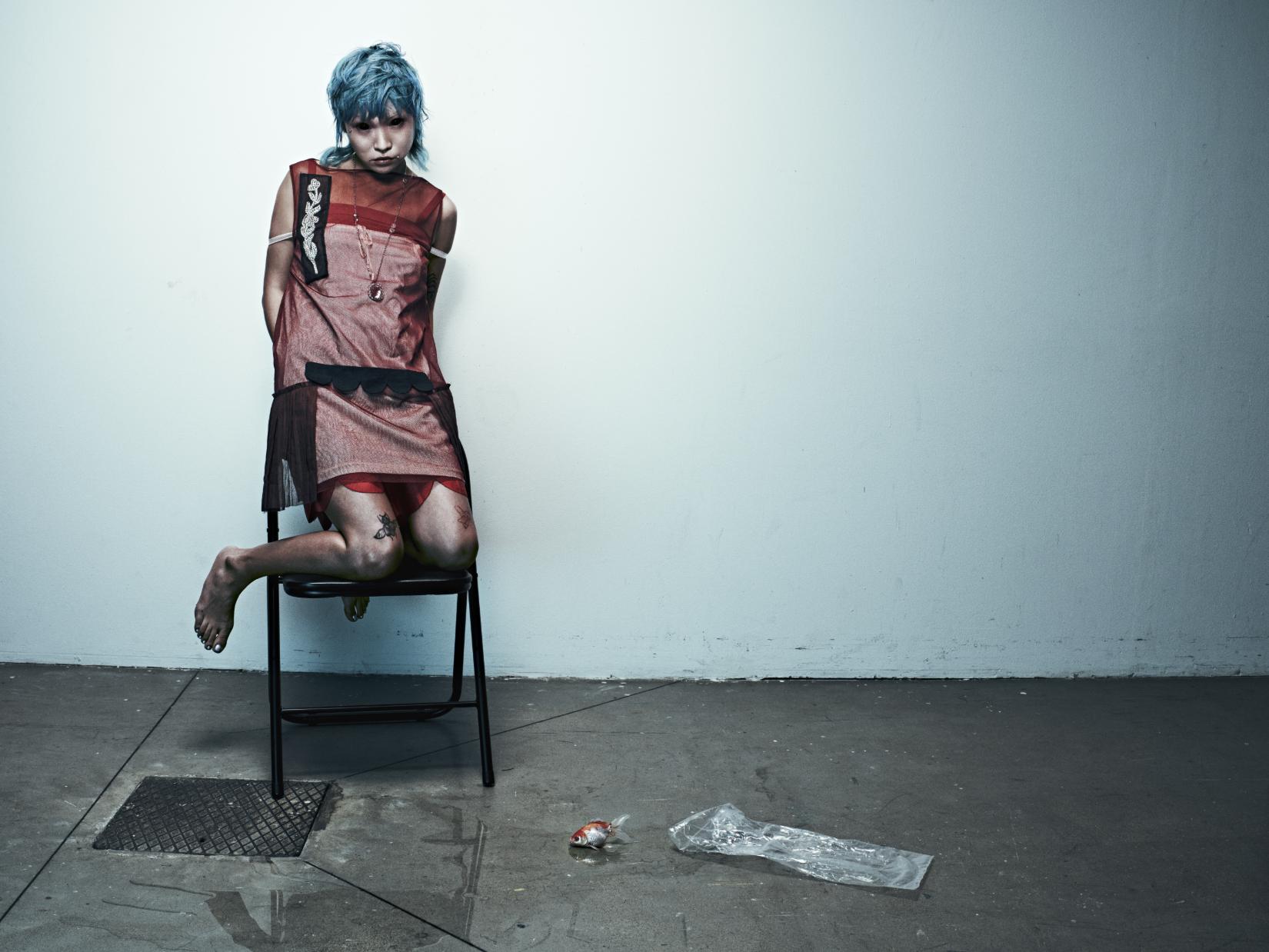
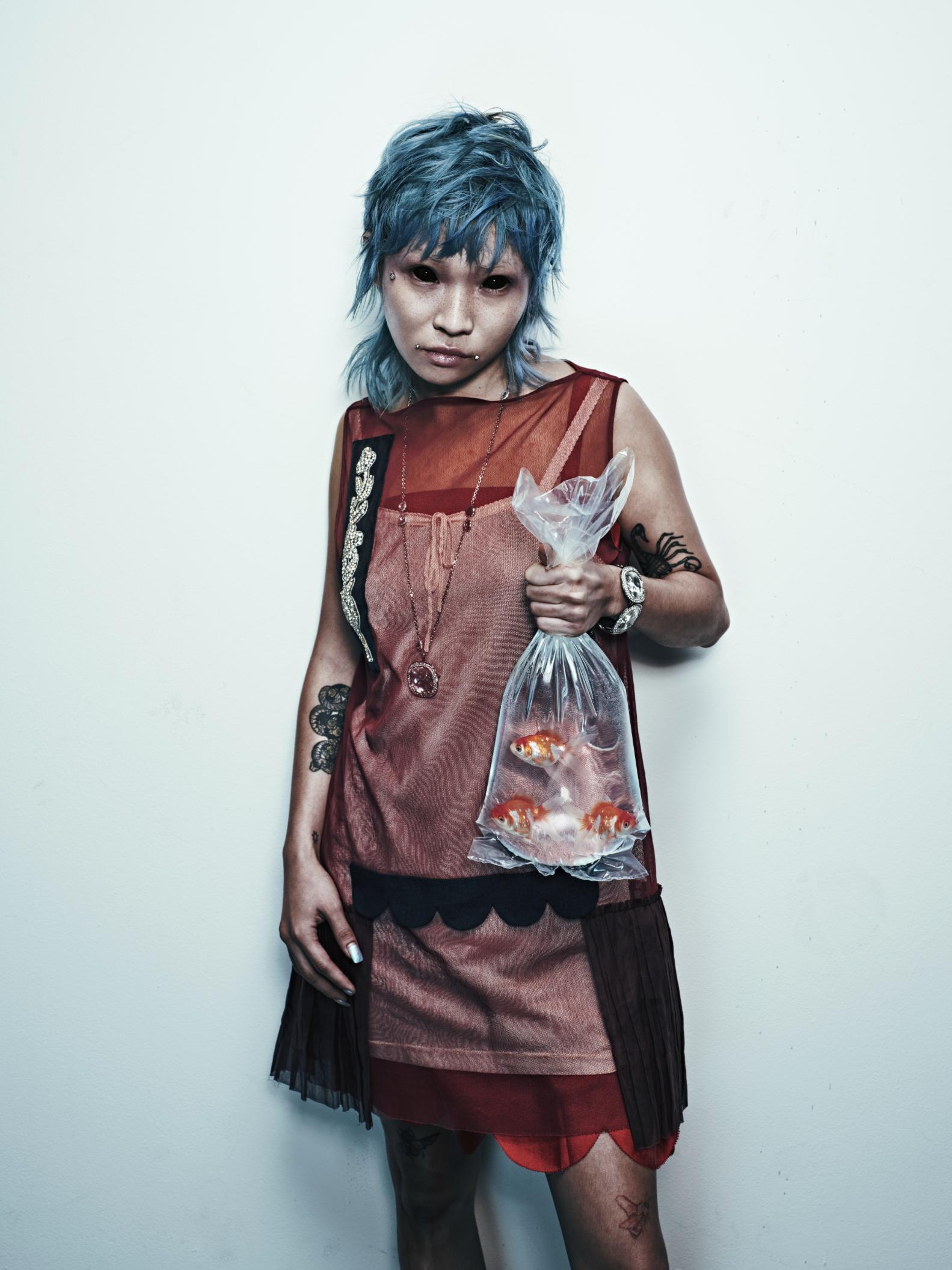
The sublime emerges from the encounter between attraction and terror, from the pleasure of contemplating something that seduces and threatens us at the same time. These bodies are beautiful because they retain something human; they disturb us because they seem to have surpassed it.
Desire meets fear at the exact moment beauty ceases to look mortal.
And this is where the vampire suddenly becomes contemporary.
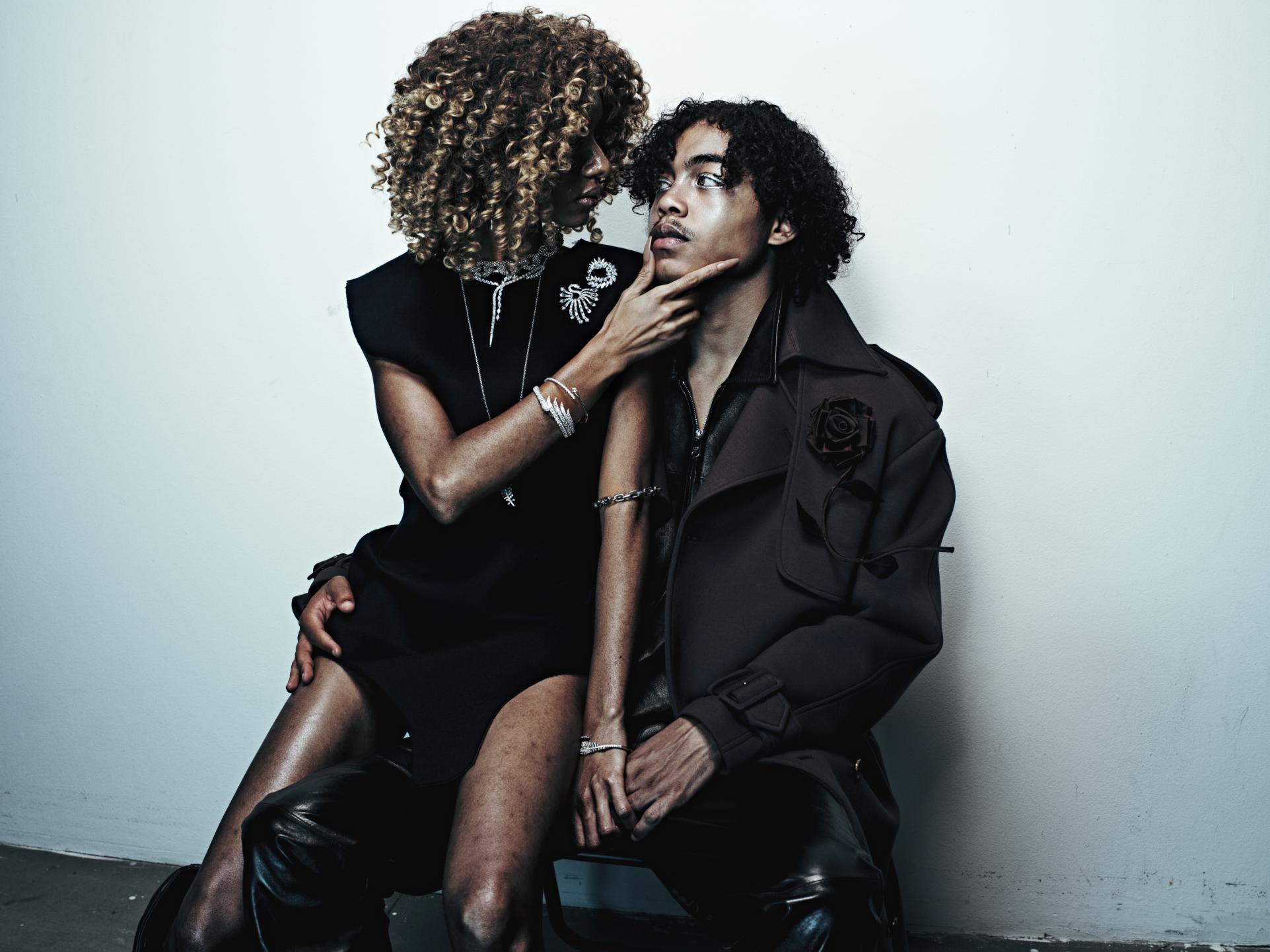
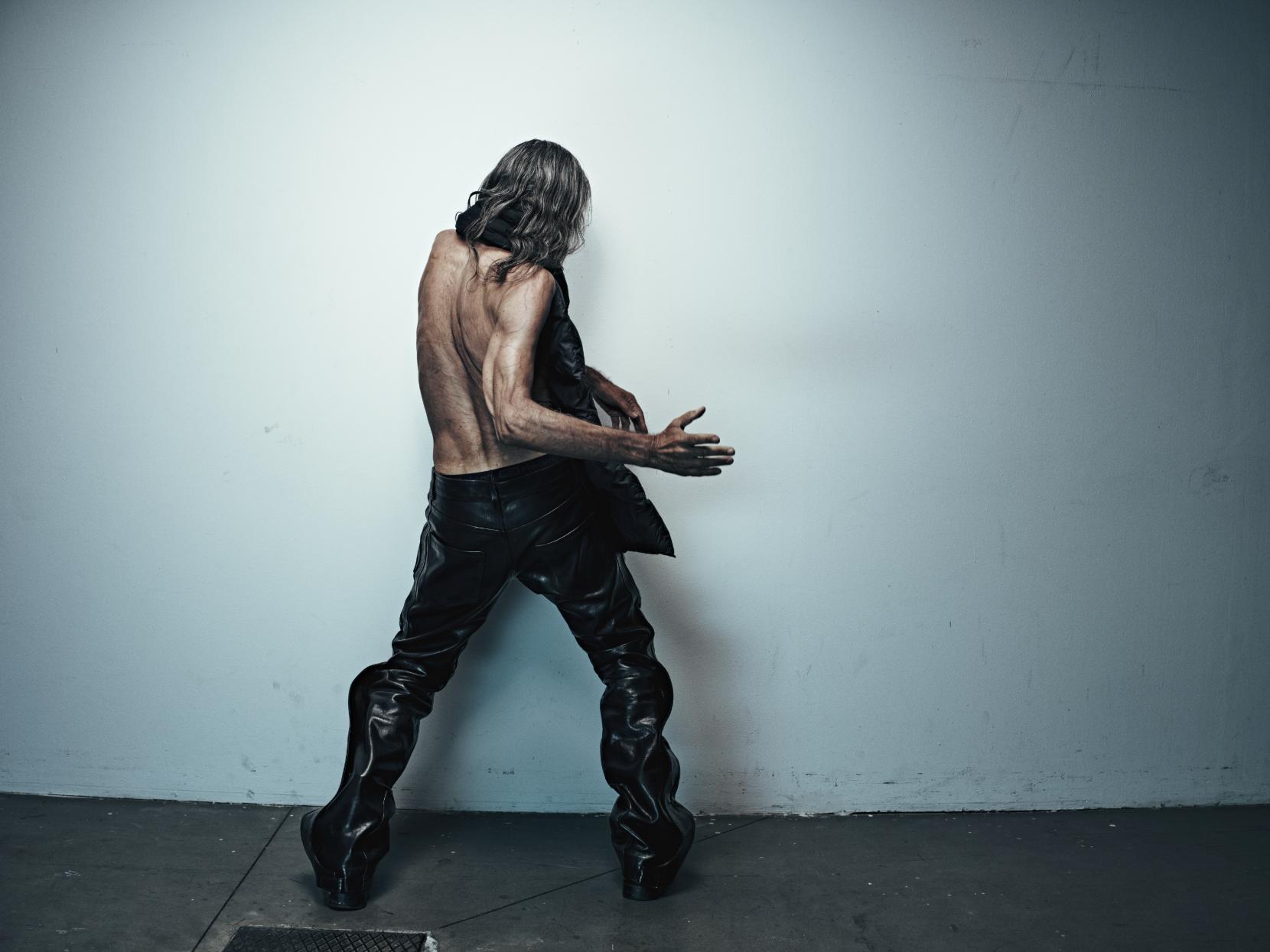
Emanuel wears Giuseppe Di Morabito coat, Fila jacket and trousers, Dsquared2 shoes.
For the first time, something that for centuries belonged to mythology is beginning to enter the language of technology. Longevity, biohacking, cellular reprogramming, cryopreservation and regenerative medicine are part of transhumanist culture, that imagines ageing as a biological limit to be understood, slowed down, perhaps one day overcome.
Death changes status. From destiny, it becomes a problem.
It is a radical cultural shift. Technology has accustomed us to the idea that every limit can be optimised, such as memory, attention, performance, the body, intelligence. Why should biological time be any different?
The dream is ancient, but the vocabulary is totally new.
Where alchemists and religions once searched for elixirs, resurrection or eternal life, today we speak of algorithms, stem cells, gene therapies and biomarkers. And some of the protagonists of contemporary technological culture have begun to openly pronounce words that, until recently, belonged to science fiction: radical life extension, escape velocity and immortality.
But Gothic literature seems to have formulated, two centuries in advance, the question technology risks forgetting.
What if living forever were terrible?
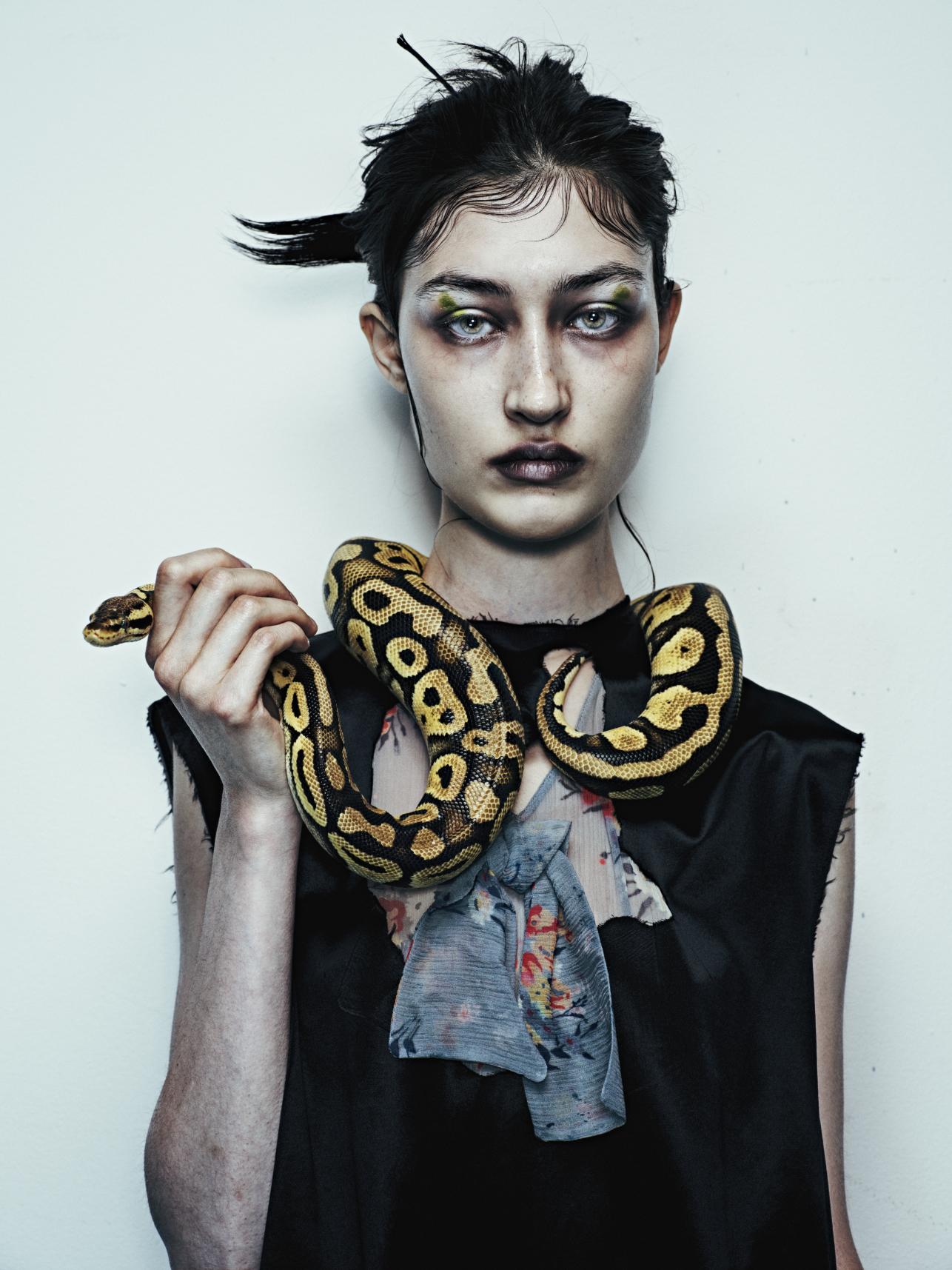
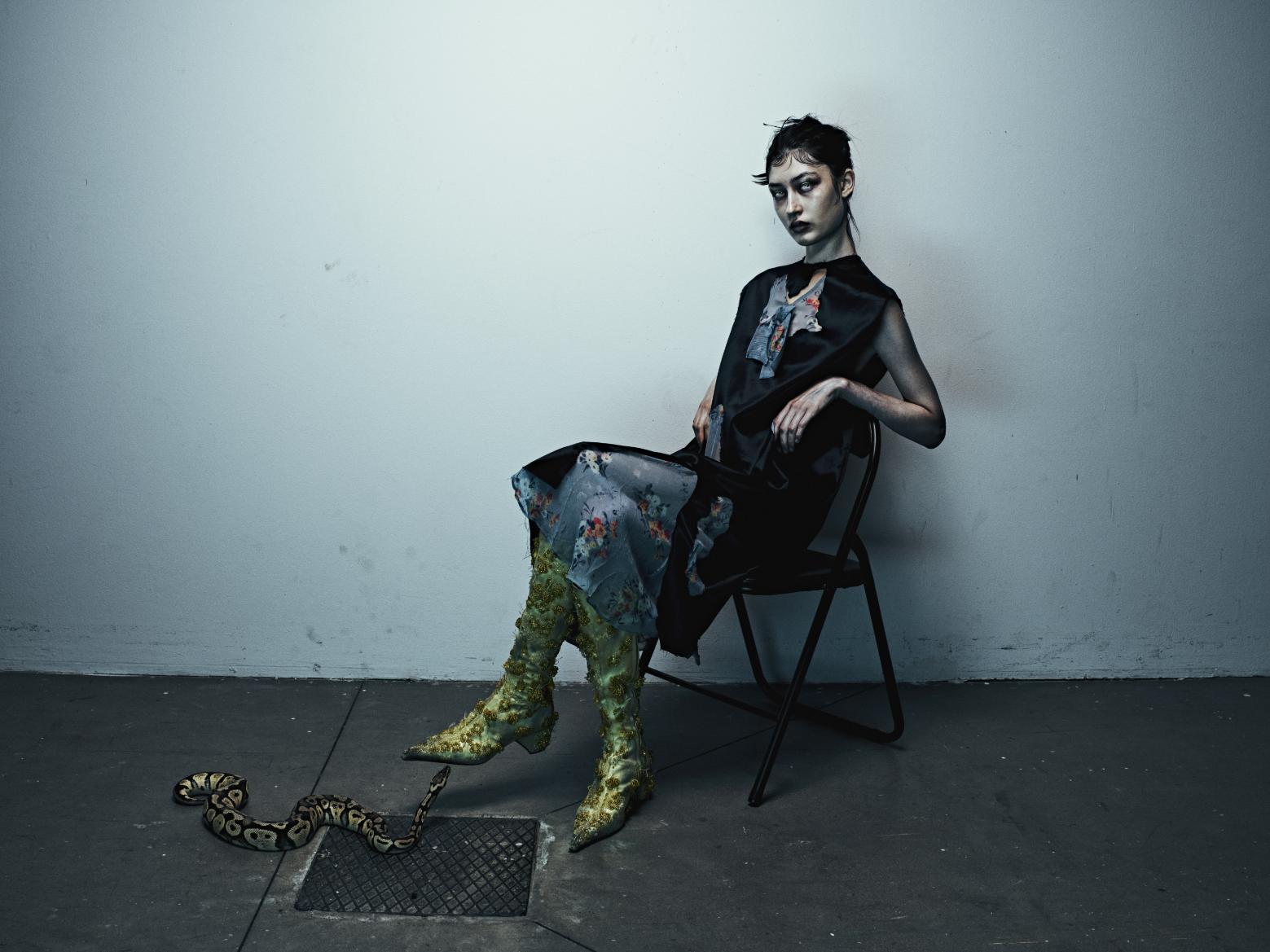
The vampire may be our oldest thought experiment in transhumanism. It has already achieved what we are beginning to desire. It has defeated ageing. It has crossed the biological limit. Its body regenerates. Time has lost its power to destroy it.
And precisely because of this, it is condemned.
To live forever also means to outlive everything: lovers, friends, cities, languages, fashions, one’s own identities. It means watching the world disappear again and again while one’s body remains intact. It means discovering that a life without an ending might lose the very thing that makes a life precious: its irreversibility.
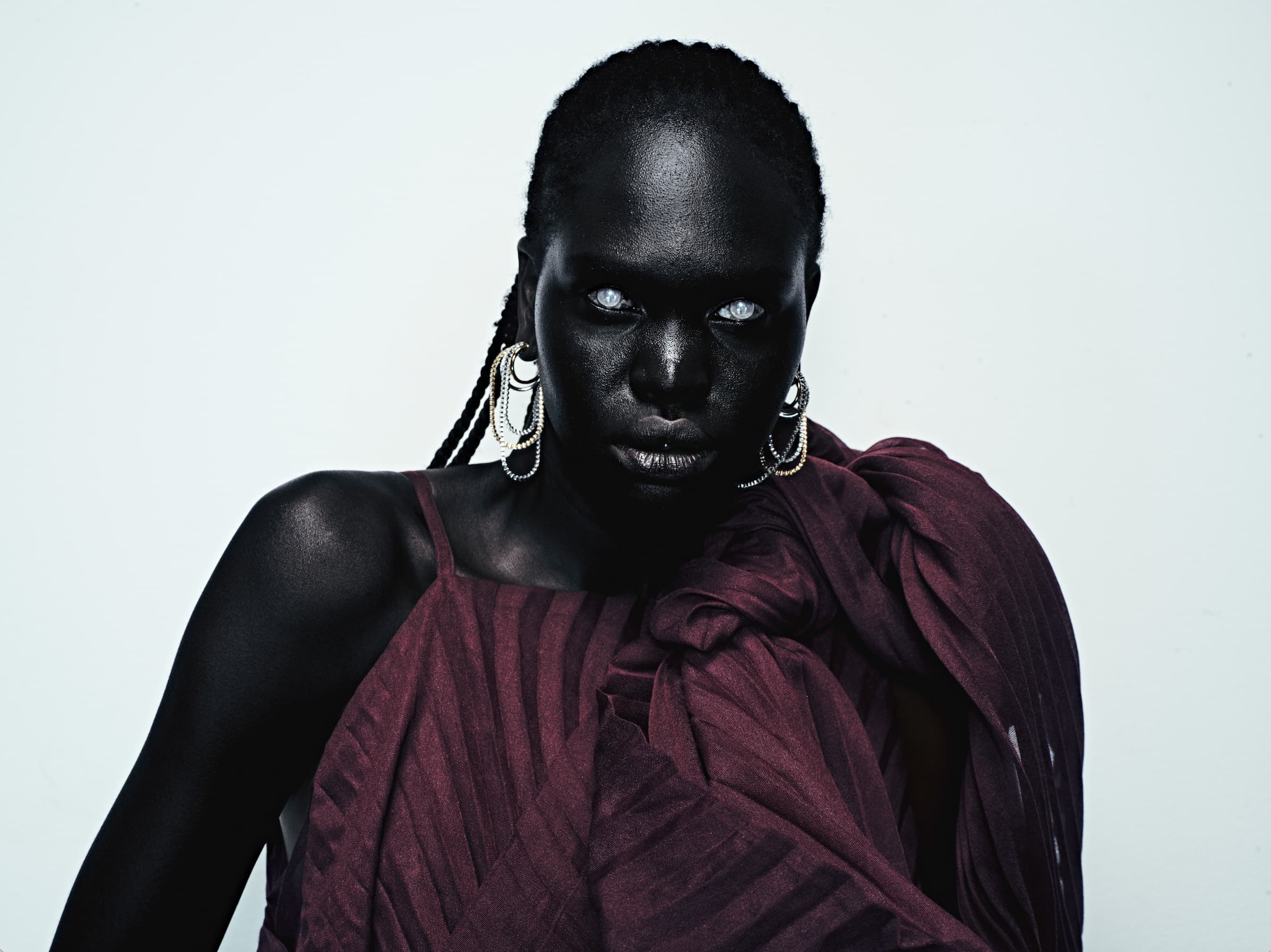
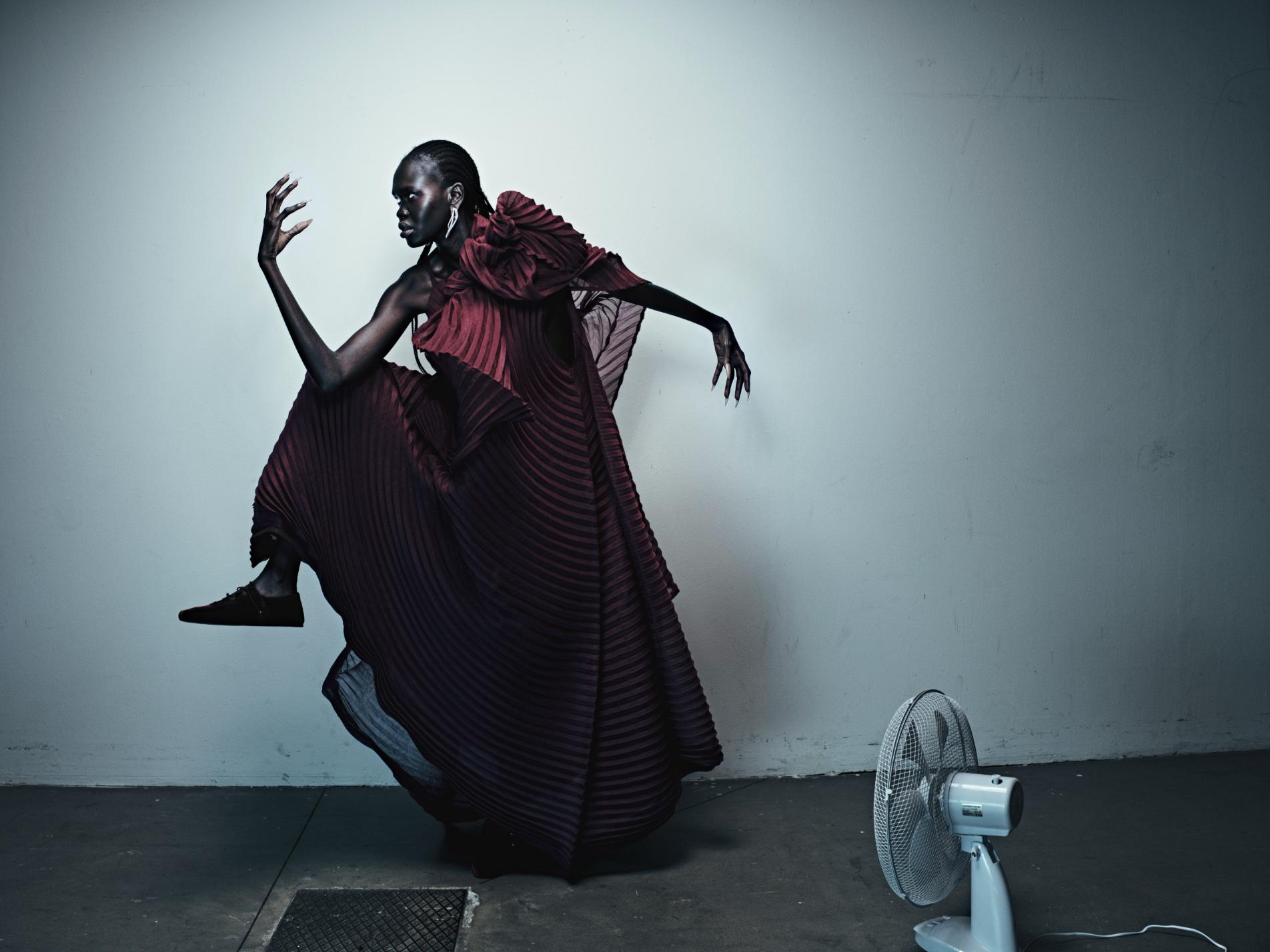
Perhaps limits create intensity. Perhaps we desire because we lose. Perhaps mortality, rather than a flaw in the system, is part of its architecture.
And it is precisely this ambivalence that makes the vampire so enduringly sensual.
We desire its body because it appears to have defeated time. We fear it because we sense the price of that victory.
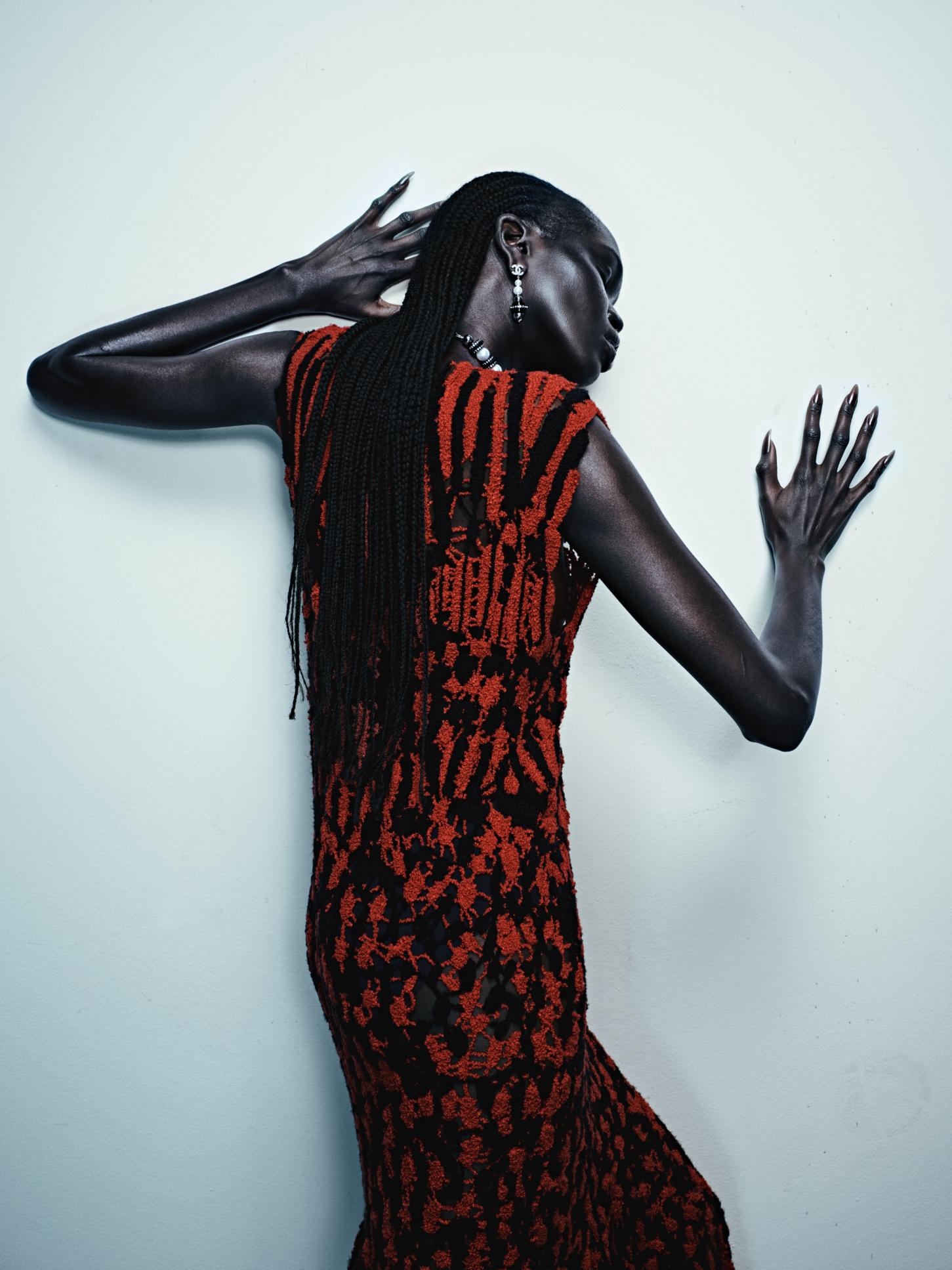
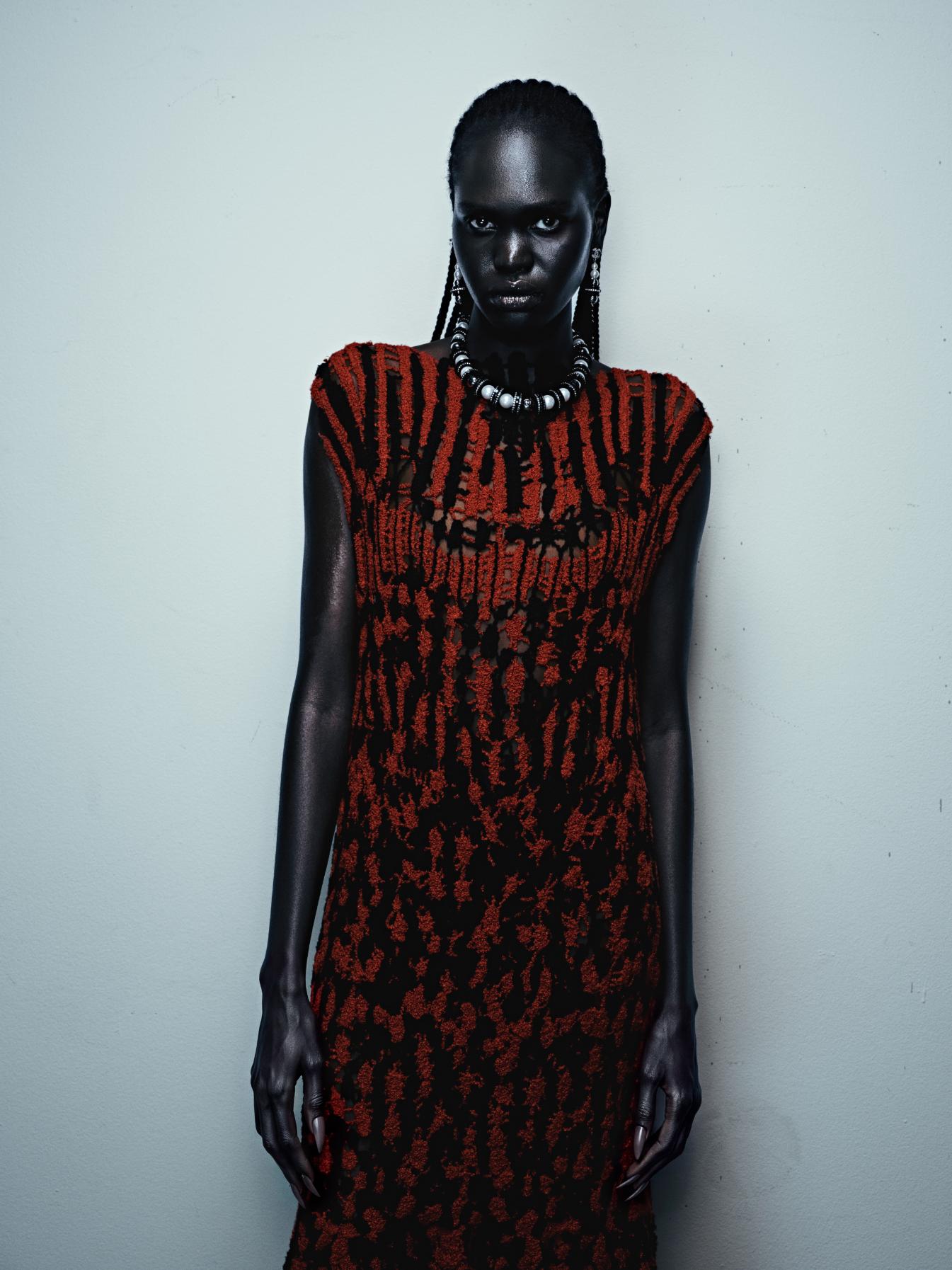
In the images of this editorial, fashion and artificial intelligence enter this ancient contradiction. The models become creatures suspended between present and future, flesh and simulation, beauty and monstrosity. The machine intervenes upon their bodies in the same way we imagine technology may intervene ever more deeply upon ours: correcting them, augmenting them, transforming them, preserving them.
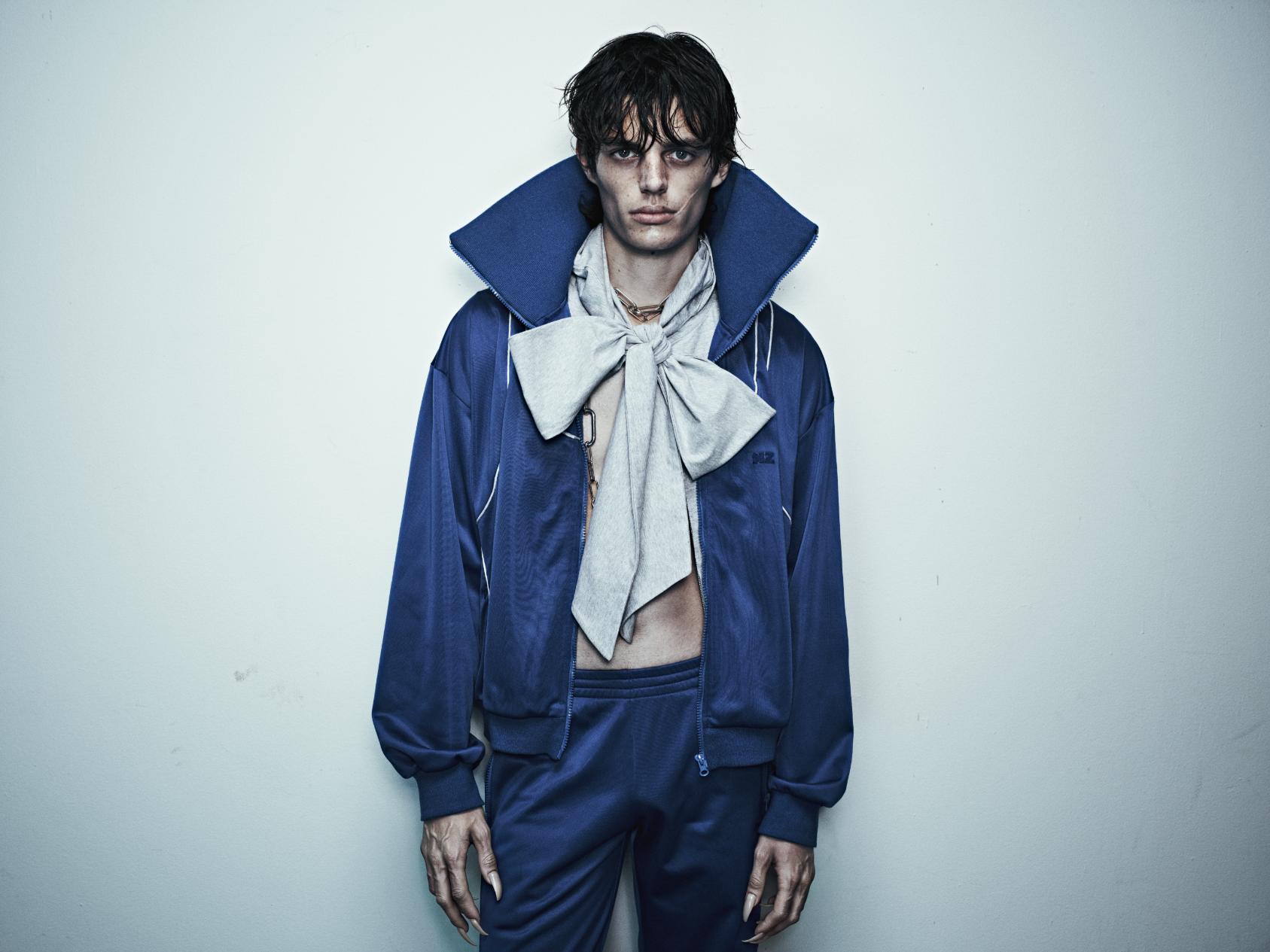
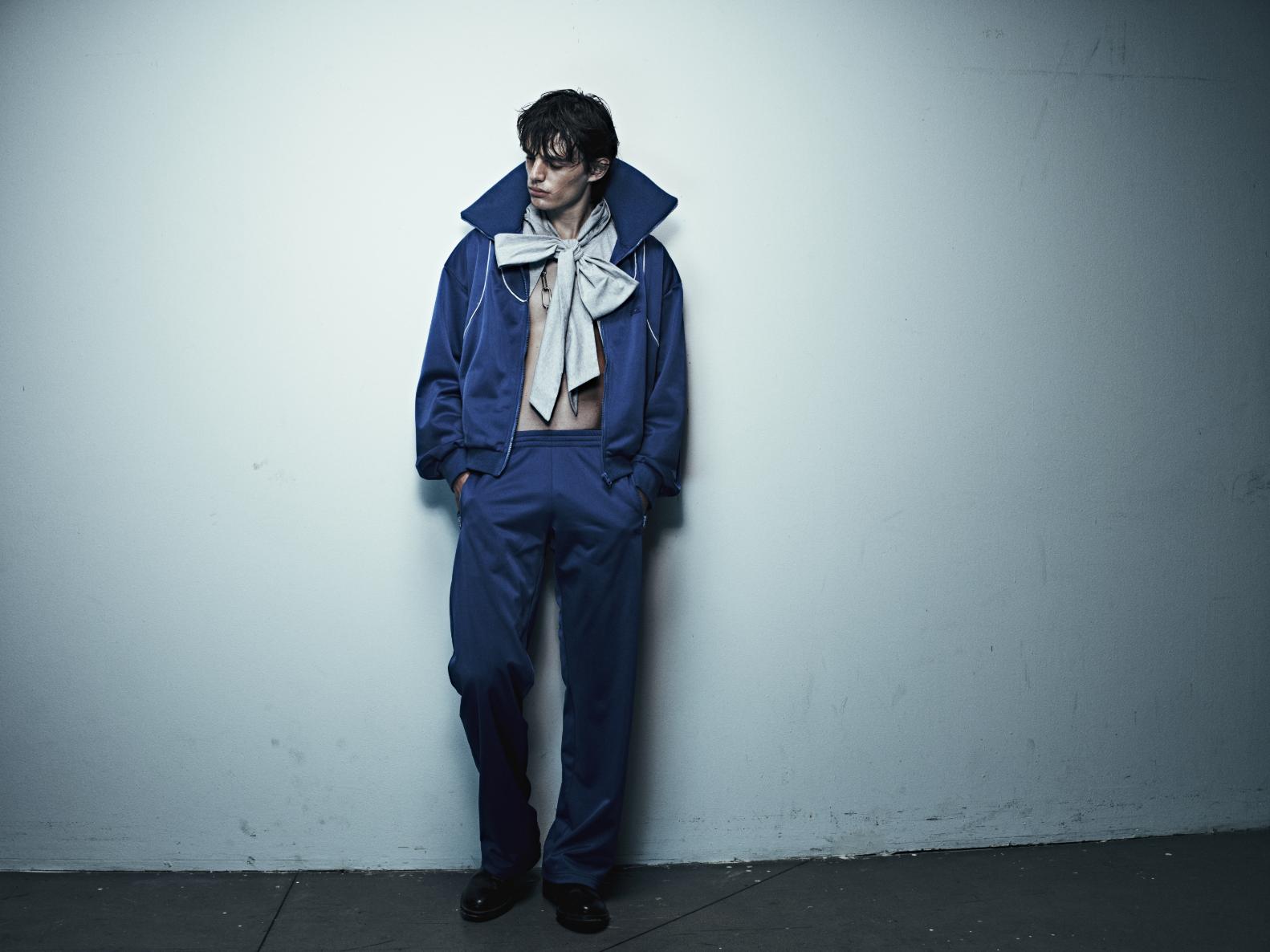
But artificial intelligence introduces one final possibility, perhaps even more uncanny.
To survive, the vampire needs other bodies. The artificial image, too, is born from a multitude of images that came before it. It absorbs, recombines, transforms. It creates something new through what already exists.
And so our contemporary desire for immortality may take a different form from the one we imagined.
Perhaps it will be the body that survives forever.
Perhaps it will be its copy.
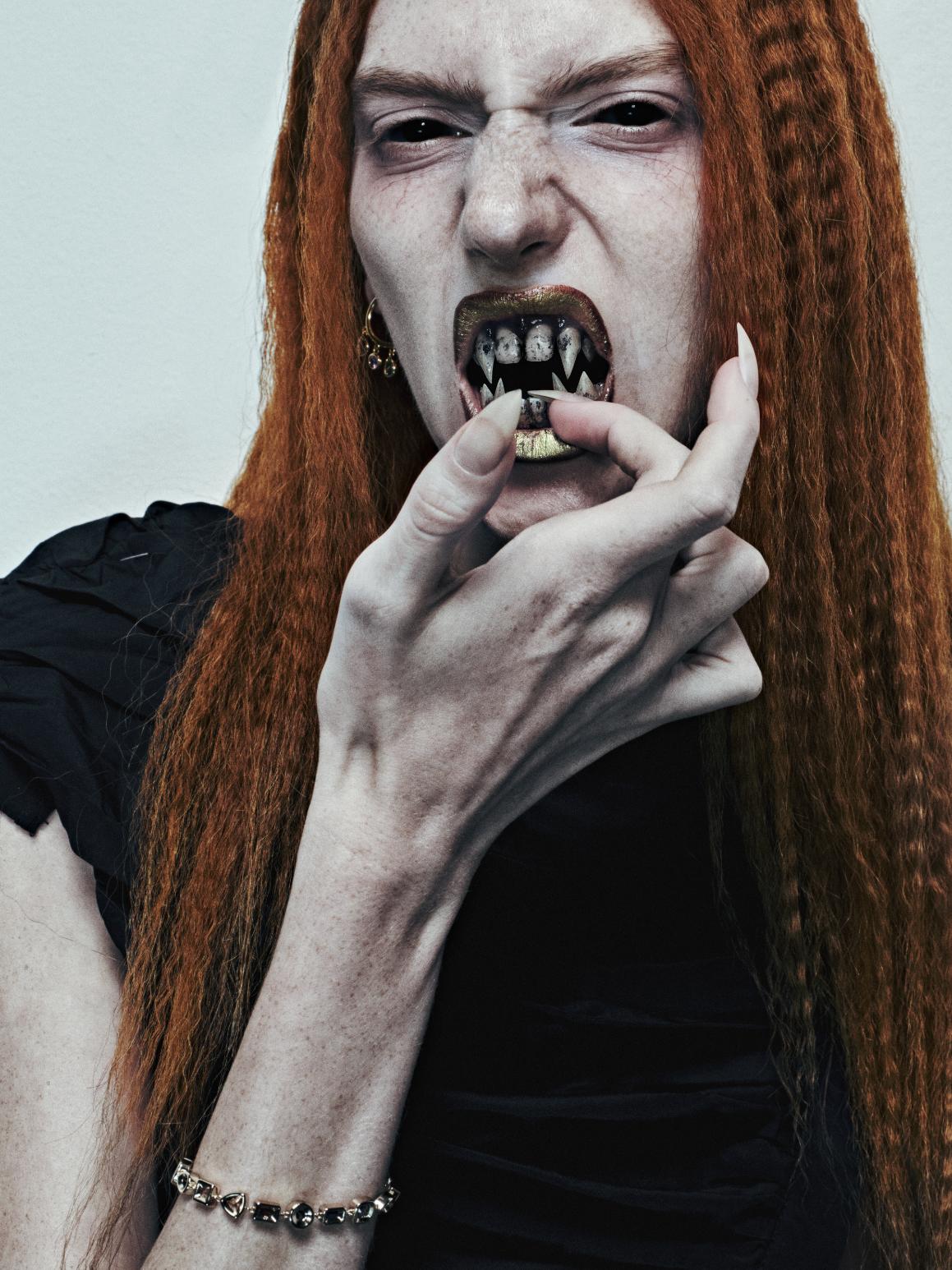
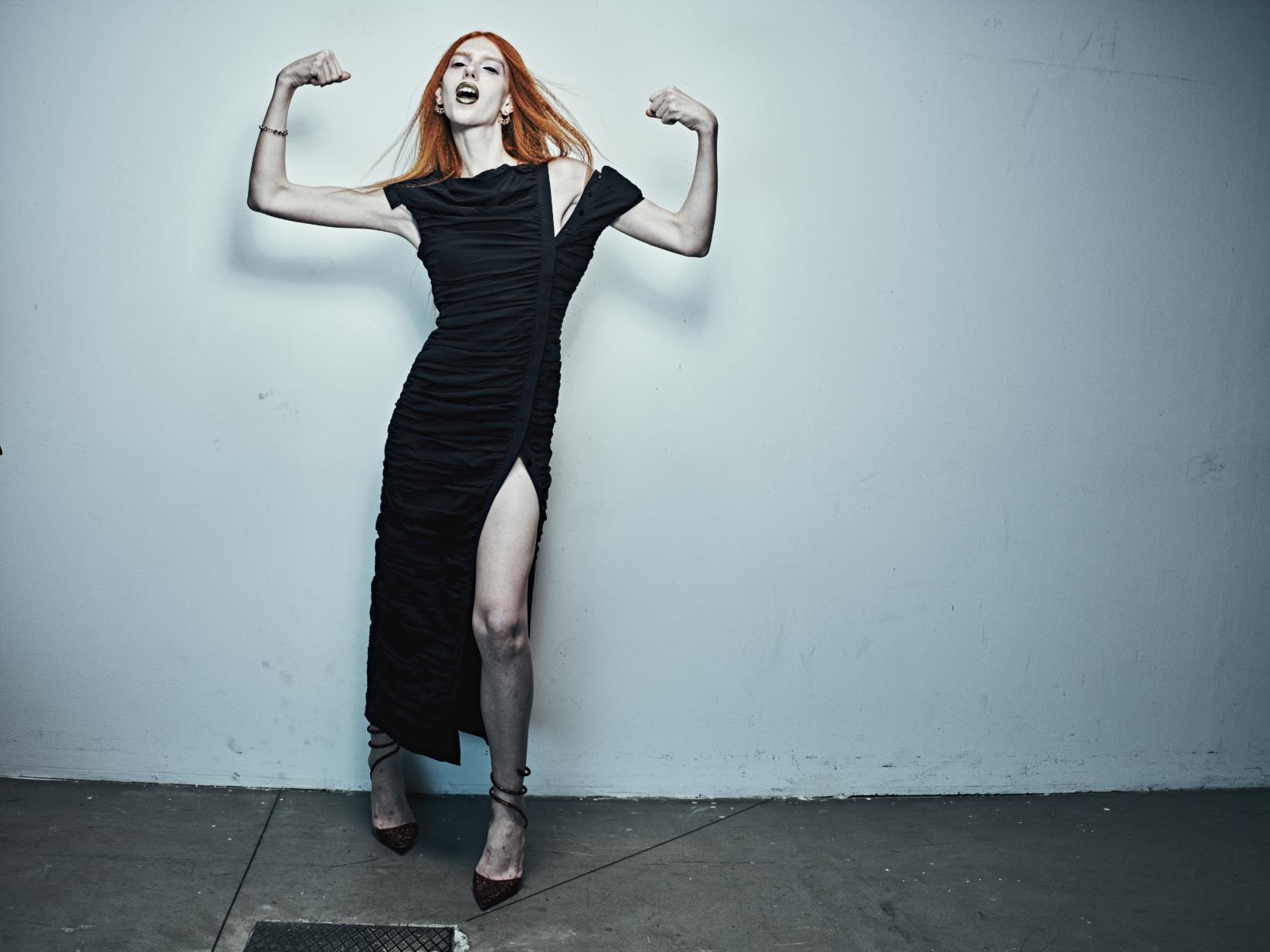
A face that can be replicated infinitely. A voice that keeps speaking. An avatar that preserves gestures, memories, desires. An eternally young image moving through time while its original disappears.
The vampire has been watching us for centuries. It seems to know this story already.
We have spent millennia imagining immortality as a curse.
Now that we are beginning to build it as a possibility, the question becomes inevitable:
what, exactly, do we want to make immortal?
CREDITS
PHOTOGRAPHER & CREATIVE DIRECTION
Mattia Guolo @mattia_guolo
TEXT & ART DIRECTION
Gloria Maria Cappelletti @gloriamariagallery
STYLIST
Giorgia Imbrenda @giorgia_imbrenda
CASTING DIRECTOR
Alessia Azzolini @aaleesss_
BEAUTY TEAM
Matilde Davolio @matsmakeup
Martina Giudice @martinagiudice_mua
BEAUTY ASSISTANTS
Ginevra Michael @ginevramichael.mua
Shadi Canavesi @shadicanavesi.mua
STYLING ASSISTANT
Melanie Meris @melaniemeris
MODELS
Toni — Street Casting @tonipandolfo61
Emanuel — Street Casting @em4nuel_cornet
Hadiza — Street Casting @hadi3yy
Claudia — Street Casting @aacquafinaa
Emilia — Wonderwall @emiliabellfield
Nyibol — Wonderwall @nyiboldokjok
Johanka — Manifesto @johankaaaa
Ludovica — Street Casting numa.eq
Olmo - Fashion
Matilde — Street Casting
AI ARTIST
Kevin Mandato @its.kayem
VIDEO EDIT & SOUND
Rocco Brandini @roccobrandinidirector
VIDEO VOICE-OVER
Alexandra Lovin
VIDEO WRITTEN BY
Ludovica Veronica Abrate @numa.eq
RED-EYE Team
Editor-in-Chief: @gloriamariagallery
Editorial Director: @danielface_
Fashion Director: @giorgia_imbrenda
#REDEYE